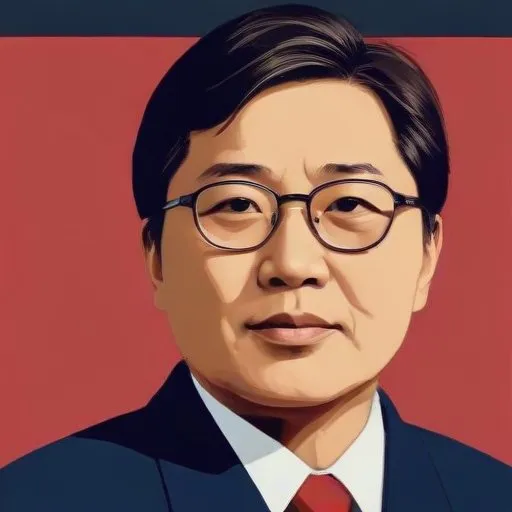
Yun Chiho: The Controversial Korean Politician
A Nationalist Turned Collaborator
Yun Chiho was a prominent Korean politician during the late Joseon and Korean Empire periods, known for his complex and often contradictory stance on Korean independence and Japanese colonization. Throughout his career, he played a significant role in various reformist organizations, served in government positions, and was an early leader of the Korean YMCA, earning him both admiration and criticism from his contemporaries and modern historians.
Early Life and Education
Born on January 23, 1865, in Asan, Chungcheong Province, Yun Chiho was a member of a prominent aristocratic yangban family. His father, General Yun Ungnyeol, was a minister in the Joseon government, ensuring that Chiho received a proper education. He excelled in his studies of the Confucian classics at the local seodang and later attended schools in China, Japan, and the United States, including Vanderbilt University and Emory University.
Political Career and Nationalist Ideals
Yun Chiho was a strong nationalist, especially in his early years. He was a member of several reformist organizations, including the Independence Club, the People's Joint Association, and the New People's Association, which advocated for Korean independence and modernization. He served in various government positions, including as a minister of education, and was a vocal critic of the corrupt and stagnant Joseon government.
The Shift to Collaboration
However, as Japan tightened its grip over Korea and eventually colonized it in 1910, Yun Chiho's stance on nationalism began to shift. He began to support the Japanese colonial government, much to the dismay of many Korean nationalists. He did not support the March 1st Movement, a nationwide protest against Japanese rule, and instead advocated for cooperation and assimilation.
Legacy and Controversy
Today, Yun Chiho's legacy is marked by controversy and debate. Many Koreans remember him as a collaborator (
chinilpa) who betrayed the nation's independence movement. His actions are seen as a symbol of the complexities and challenges faced by Korean intellectuals during the colonial period. Despite his significant contributions to Korean politics and education, his later life choices have overshadowed his earlier achievements, leaving a complex and multifaceted legacy.
Quotes and Memorable Sayings
* "We must reform ourselves, and then reform our country." - Yun Chiho's early nationalist ideals
* "Cooperation with Japan is the key to Korea's survival and progress." - Yun Chiho's later stance on collaboration
Career Highlights and Major Works
* Member of the Independence Club and other reformist organizations
* Minister of Education and other government positions
* Early leader of the Korean YMCA
* Advocate for Korean modernization and education
Historical Context and Legacy
Yun Chiho's life and career spanned a tumultuous period in Korean history, marked by the decline of the Joseon dynasty, Japanese colonization, and the struggle for independence. His legacy serves as a reminder of the complexities and challenges faced by Korean intellectuals during this period, and the ongoing debate about the role of collaboration and resistance in the fight for independence.
FAQ
What was Yun Chi-hos role in Korean politics?
Yun Chi-ho was a prominent figure in Korean politics, serving as a member of the Korean Empires House of Representatives and later as a leader in the Korean independence movement.
What was Yun Chi-hos contribution to the Korean independence movement?
Yun Chi-ho was a key figure in the Korean independence movement, advocating for Korean independence from Japanese colonial rule. He played a leading role in organizing protests and demonstrations.
How did Yun Chi-hos politics shape Korea?
Yun Chi-hos politics had a significant impact on Korea. He was a vocal critic of Japanese colonial rule and worked tirelessly to promote Korean independence and self-determination.
What was Yun Chi-hos role in the Korean Provisional Government?
Yun Chi-ho was a member of the Korean Provisional Government, a government-in-exile established in 1919 to resist Japanese colonial rule. He played a key role in organizing resistance efforts and promoting Korean independence.
What is Yun Chi-hos legacy in Korean history?
Yun Chi-hos legacy in Korean history is that of a dedicated patriot who fought tirelessly for Korean independence and self-determination. He is remembered as a pioneering figure in the Korean independence movement.