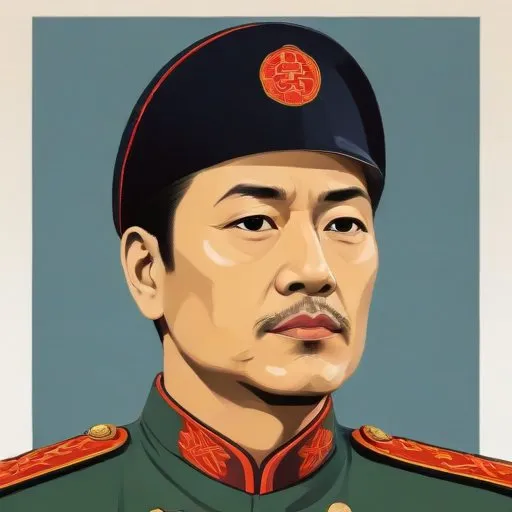
Zhu Quan: The Renaissance Man of the Ming Dynasty
The Many Faces of Zhu Quan
Zhu Quan, also known as the Prince of Ning, was a multifaceted personality who excelled as a historian, military commander, musician, and playwright during the Ming dynasty. This 15th-century polymath left an indelible mark on Chinese history, showcasing his mastery of both art and war.
Early Life and Military Career
Born on May 27, 1378, as the 17th son of the
Hongwu Emperor, Zhu Quan was destined for greatness. He initially served as a military commander, demonstrating his prowess in battle and earning the respect of his peers. In 1391, he was granted the frontier fief of Ning, with its capital in present-day Chifeng, Inner Mongolia.
A Master of the Arts
Zhu Quan's love for the arts was evident in his mastery of the zither, an instrument he not only played but also composed music for. He was also an avid tea connoisseur, known for his discerning palate and ability to discern the finest qualities of this revered beverage.
Playwright and Historian
As a playwright, Zhu Quan wrote several prominent works, earning him recognition as a talented literary figure. His historical writings, too, are celebrated for their accuracy and detail, providing valuable insights into the tumultuous times of the Ming dynasty.
A Life of Philosophy and Spirituality
Zhu Quan's spiritual pursuits led him to adopt several aliases, including "The Emaciated Immortal" and "The Master who Encompasses Emptiness." As a Taoist, he sought to transcend the bounds of mortality, and his philosophical musings continue to inspire scholars and spiritual seekers alike.
Legacy and Impact
Zhu Quan's impact on Chinese culture and society cannot be overstated. He embodied the spirit of the Renaissance man, excelling in multiple fields and inspiring future generations to pursue their passions. As a historian, his works continue to enlighten us about the complexities of the Ming dynasty.
Interesting Facts and Trivia
- Zhu Quan's mastery of the zither earned him recognition as one of the greatest zither players of all time.
- He was known for his exceptional tea-making skills, earning him the nickname "Tea Master."
- Zhu Quan's historical writings are still studied by scholars today, providing valuable insights into the Ming dynasty.
As we delve into the life of Zhu Quan, we are reminded of the boundless potential of human creativity and ingenuity. This extraordinary individual continues to inspire us with his multifaceted achievements, leaving an indelible mark on the pages of Chinese history.
FAQ
What is Zhu Quans role in Chinese history?
Zhu Quan was a Chinese military commander, historian, and playwright who played a key role in the Ming dynasty. He is known for his military campaigns against the Mongols and his literary works.
What is Zhu Quans most famous literary work?
Zhu Quans most famous literary work is the Sanjiang Pian, a collection of plays and songs that showcase his literary talent and historical insight.
What is Zhu Quans contribution to Chinese drama?
Zhu Quans plays are considered some of the most important works in Chinese drama, as they combine historical accuracy with literary flair. He is credited with developing the zaju genre of drama.
How did Zhu Quans military career shape his writing?
Zhu Quans military career had a significant impact on his writing, as he drew on his experiences to create vivid and realistic portrayals of war and battles in his literary works.
What is Zhu Quans legacy in Chinese literature?
Zhu Quans legacy in Chinese literature is significant, as he is considered one of the most important playwrights and historians of the Ming dynasty. His works continue to be studied and performed to this day.