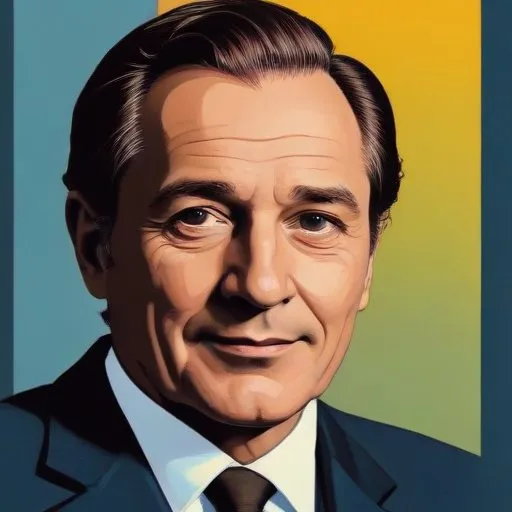
Élie Ducommun: A Pioneering Peace Activist and Nobel Laureate
A Champion of International Peace and Freedom
Élie Ducommun, a Swiss native, is renowned for his tireless efforts in promoting global peace and freedom, culminating in the prestigious Nobel Peace Prize in 1902. As a key figure in the International Peace Bureau, Ducommun dedicated his life to fostering international cooperation and resolving conflicts through peaceful means.
Early Life and Career
Born on February 19, 1833, in Geneva, Switzerland, Ducommun's early career saw him take on various roles, including that of a tutor, language teacher, journalist, and translator for the Swiss federal Chancellery (1869-1873). These diverse experiences honed his skills and nurtured his passion for international relations.
Founding the Ligue de la Paix et de la Liberté
In 1867, Ducommun co-founded the Ligue de la Paix et de la Liberté (League of Peace and Freedom), a pioneering organization devoted to promoting peace, freedom, and democracy. This bold initiative marked the beginning of his life-long pursuit of international peace and cooperation.
Leading the International Peace Bureau
In 1891, Ducommun was appointed director of the International Peace Bureau, the first non-governmental international peace organization, based in Bern, Switzerland. He led the organization with unwavering dedication, refusing to accept a salary and instead serving solely for reasons of idealism. Under his guidance, the International Peace Bureau flourished, becoming a beacon of hope for global peace and cooperation.
Nobel Peace Prize and Legacy
In 1902, Ducommun was awarded the Nobel Peace Prize, which he shared with
Charles Albert Gobat, for his outstanding contributions to the international peace movement. This prestigious honor cemented his reputation as a champion of peace and freedom. As director of the International Peace Bureau, Ducommun continued to work tirelessly until his passing on December 7, 1906, in Bern, Switzerland.
Philosophical Contributions and Beliefs
Ducommun's philosophical stance was rooted in his conviction that war is a futile and destructive force, and that international cooperation and peaceful resolution of conflicts are essential for humanity's progress. His ideals continue to inspire generations of peace activists and policymakers around the world.
Personal Milestones and Key Life Events
- 1867: Co-founded the Ligue de la Paix et de la Liberté
- 1891: Became director of the International Peace Bureau
- 1902: Awarded the Nobel Peace Prize
- 1906: Passed away in Bern, Switzerland
Influence on Modern Society
Ducommun's pioneering work in the international peace movement has had a profound impact on modern society. His legacy continues to inspire efforts towards global cooperation, disarmament, and conflict resolution. As a testament to his enduring influence, the International Peace Bureau remains a vital force in promoting peace and sustainable development worldwide.
Quotes and Memorable Sayings
"The futility of war demonstrated by history"
Historical Context and Legacy
Ducommun's remarkable life and work serve as a shining example of dedication to the pursuit of peace and humanity. His legacy continues to inspire and motivate individuals and organizations working towards a more peaceful and harmonious world.
FAQ
What was Élie Ducommuns role in the International Committee of the Red Cross?
Élie Ducommun was a key figure in the International Committee of the Red Cross, and he played a significant role in the development of international humanitarian law. He was a pioneer in the field of humanitarian action, and his work helped to establish the principles of humanitarian aid and protection.
What was Élie Ducommuns approach to peace and international relations?
Élie Ducommuns approach to peace and international relations was centered on the idea that nations should work together to prevent war and promote cooperation. He believed that international arbitration and diplomacy could be used to resolve conflicts peacefully, and he advocated for the establishment of international institutions to promote peace and security.
What was Élie Ducommuns significance in the development of the Nobel Peace Prize?
Élie Ducommun was a co-founder of the International Committee of the Red Cross, and he was awarded the Nobel Peace Prize in 1902 for his work in promoting international humanitarian law and peace. His contributions to the development of the Nobel Peace Prize helped to establish it as a major international award for peace and humanitarian action.
What was Élie Ducommuns relationship with other prominent peace activists of his time?
Élie Ducommun was a prominent figure in the peace movement of his time, and he had relationships with other prominent peace activists, including Henri Dunant and Frédéric Passy. He was also a member of several international organizations and societies, and he contributed to the development of peace and humanitarian research and education.
What is Élie Ducommuns legacy in the field of peace and humanitarian action?
Élie Ducommuns legacy in the field of peace and humanitarian action is significant, and he is still remembered as one of the most important peace activists of the early 20th century. His contributions to the development of international humanitarian law, peace, and humanitarian action continue to influence policy and practice today.