


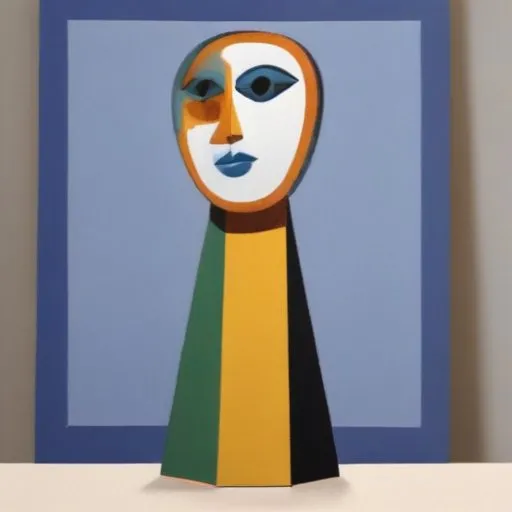
Estonian sculptor known for creating symbolic and abstract works that often blended folk art with modernist techniques, leaving a lasting impact on Baltic art.
Lo Un, a renowned Estonian sculptor, is best known for his unconventional and thought-provoking works that challenged traditional notions of form and beauty. With a career spanning over two decades, Un's unique style, characterized by deformation of form and vibrant use of color, has left an indelible mark on the world of sculpture.
Born on April 30, 1940, in Tartu, Estonia, Lo Un was the son of Ado and Alma Un (née Lellep). He grew up in a family that valued education and encouraged his early interest in art. After completing his secondary education at Tartu Secondary School No. 2 (now the Miina Härma Gymnasium) in 1958, Un went on to study mathematics at Tartu State University (now the University of Tartu) for a year before pursuing his true passion – visual arts – at the State Art Institute of the Estonian SSR (now the Estonian Academy of Arts). He graduated from the institution in 1966, equipped with the skills and knowledge that would shape his future as a sculptor.
Un's artistic journey began as a taxidermist at the Estonian Museum of Natural History. However, his true calling lay in sculpture, which he began to pursue in earnest in 1970. His first exhibition, held at the Tallinn Art Hall gallery alongside artists Ellen Koll and Aili Vint, marked the beginning of his rise to national prominence. As a freelance artist, Un focused on creating portraits and figural sculptures that showcased his unique style, which blended friendly grotesquery with a deep understanding of human nature.
Un's sculptures are characterized by their deformation of form, which sets them apart from traditional figurative art. His use of vibrant colors and fluid, dynamic shapes creates a sense of movement and energy, drawing the viewer into the world of his creations. At the heart of Un's work lies a fascination with the subjective, spiritual nature of humanity, which he explores through his pieces. His ability to capture the complexities of human relationships and emotions has earned him widespread acclaim and admiration.
One of Un's most iconic sculptures is "Isa ja poeg" (Father and Son), created in 1977. This poignant work depicts Un and his 18-month-old son, Kristjan, nude, holding hands, and standing at the same height. The sculpture is a powerful exploration of the bond between parent and child, and the universality of human experience.
Lo Un's contributions to the world of sculpture are undeniable. His unique style and thematic explorations have inspired generations of artists, and his work continues to be celebrated and exhibited around the world. Through his art, Un has left an indelible mark on Estonian culture and beyond, ensuring his legacy as a master sculptor and visionary artist.
Un's personal life was marked by significant milestones, including the birth of his son, Kristjan, in 1975. He was known for his humility and kindness, and his love for his family and friends. Despite his untimely passing on March 7, 1988, Lo Un's art continues to inspire and provoke, ensuring his memory and legacy live on.
Through his extraordinary talent and dedication to his craft, Lo Un has left an enduring legacy that continues to captivate and inspire audiences today.
Born in 1840
A French sculptor and illustrator famous for creating iconic, emotionally charged figures that capture the human experience, including the iconic symbol of intellectualism, The Thinker.
Born in 1864
French illustrator and sculptor renowned for her pioneering work in Rodin's studio and her own expressive, emotional sculptures that explored the human form. Her tragic life and tumultuous relationship with Rodin have become legendary.
Born in 1841
A pioneer of Impressionism, creating vibrant, intimate portraits and landscapes that capture the beauty of everyday life. His works evoke a sense of joy and warmth, celebrating the human experience.
Born in 1840
A founder of Impressionism, capturing fleeting light and color in dreamy landscapes and water scenes, revolutionizing modern art.
Born in 1839
A post-Impressionist pioneer, he's famous for his still-life compositions and landscapes that laid the groundwork for Cubism, influencing 20th-century art.
Born in 1869
A pioneering artist who revolutionized modern art with bold, expressive, and colorful works that blurred the lines between painting and sculpture, creating a new language of form and color.
Born in 1881
A pioneering artist who transformed modern art with pioneering Cubist works, creating a new visual language that continues to inspire and influence art, design, and culture.
