


The Battle of Chancellorsville, fought from April 30 to May 6, 1863, is renowned for being one of the most notable Confederate victories during the American Civil War. This pivotal battle saw the Union Army of the Potomac, led by General Joseph Hooker, suffer a crushing defeat at the hands of General Robert E. Lee's Confederate Army of Northern Virginia, despite being numerically superior.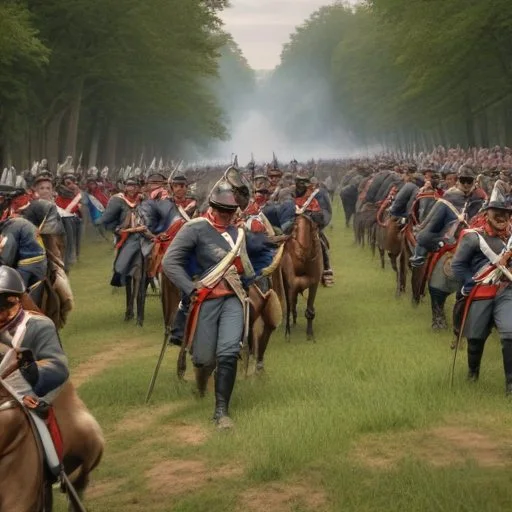
In the spring of 1863, the Union Army, fresh from their victory at the Battle of Fredericksburg, was poised to launch a new campaign against the Confederacy. General Hooker, who had recently assumed command of the Army of the Potomac, devised a plan to outflank and surround Lee's army, which was concentrated around Fredericksburg, Virginia.
The Battle of Chancellorsville was a clash of titans, with two of the most prominent generals of the American Civil War facing off against each other. General Robert E. Lee, the commander of the Confederate Army of Northern Virginia, was a seasoned veteran with a reputation for daring tactics and clever maneuvering. General Joseph Hooker, on the other hand, was a more cautious leader who was prone to hesitation and indecision.
The battle unfolded over several days, with the Union army launching a series of attacks against the Confederate lines around Chancellorsville. On April 30, Hooker's army crossed the Rappahannock River and established a strong foothold on the west bank. However, Lee, anticipating Hooker's move, had already positioned his army to counter the Union thrust.
The Battle of Chancellorsville was a resounding Confederate victory, with the Union army suffering over 17,000 casualties, compared to the Confederacy's 12,000. The battle marked a significant turning point in the war, as it thwarted the Union's plans to capture Richmond, the Confederate capital, and allowed Lee's army to maintain the initiative in the Eastern Theater.
The Battle of Chancellorsville had far-reaching cultural and social implications, as it galvanized public opinion in both the North and South. The Confederate victory boosted morale in the South, while the defeat led to widespread criticism of Hooker's leadership in the North.
"I would rather die a thousand deaths than surrender," – General Robert E. Lee, prior to the battle.
"If Jackson had been killed in the first battle of Bull Run, the Confederacy would have lost the war. So great was his value to them." – General Joseph Hooker, on Stonewall Jackson's significance to the Confederacy.
The Battle of Chancellorsville was a testament to the bravery and sacrifice of the soldiers who fought on both sides. The battle will always be remembered as one of the most pivotal moments in the American Civil War, a conflict that shaped the course of American history.
General Robert E. Lee, the commander of the Confederate Army of Northern Virginia, was a highly respected and experienced military leader. Born in 1807, Lee graduated from West Point and went on to serve in the United States Army during the Mexican-American War. He later became the superintendent of West Point and eventually joined the Confederacy at the outbreak of the Civil War.
Lee's military strategy was characterized by his ability to adapt to changing circumstances and to make bold decisions. At Chancellorsville, he demonstrated his tactical genius by dividing his army and sending Stonewall Jackson's corps on a flanking maneuver that caught the Union army off guard.
In spite of his successes on the battlefield, Lee was also known for his compassion and empathy towards his soldiers. He was beloved by his troops, who admired his leadership and courage in the face of overwhelming odds.

The Union army's defeat at Chancellorsville was a culmination of a series of missteps and miscalculations that began weeks before the battle. General Hooker's decision to split his army and send a large portion to attack Lee's flank was a mistake that allowed the Confederates to focus their attention on the main Union force.
Furthermore, the Union army's intelligence gathering was inadequate, and they underestimated the strength and position of the Confederate army. This lack of information led to a series of mistakes, including the failure to secure key high ground and the poorly executed attacks on the Confederate lines.
The Union army's mistakes were compounded by Lee's bold and decisive actions, which caught the Union army off guard and allowed the Confederates to gain the upper hand.
The Confederate victory at Chancellorsville had a profound impact on morale in the South. The win boosted confidence in the Confederate army and its leadership, and many Southerners saw it as a sign that the tide of the war was turning in their favor.
The victory was celebrated throughout the Confederacy, and it was seen as a much-needed morale boost. The news of the victory was spread rapidly through newspapers and word of mouth, and it helped to galvanize public opinion in support of the war effort.
In contrast, the defeat had a devastating impact on morale in the North. The Union army's loss was seen as a significant setback, and many Northerners began to question the leadership of General Hooker and the competence of the Union army.
The Battle of Chancellorsville was fought in a strategic location that was critical to the outcome of the war. The crossroads town of Chancellorsville was a key transportation hub, and control of the area was essential for the movement of troops and supplies.
The Union army's failure to capture Chancellorsville meant that the Confederates retained control of the area, which allowed them to continue to threaten the Union army's supply lines and communication networks.
The battle also highlighted the importance of the Rappahannock River, which formed a natural boundary between the Union and Confederate armies. The Union army's ability to cross the river and establish a foothold on the west bank was a critical factor in the battle, and it demonstrated the importance of riverine warfare in the Civil War.
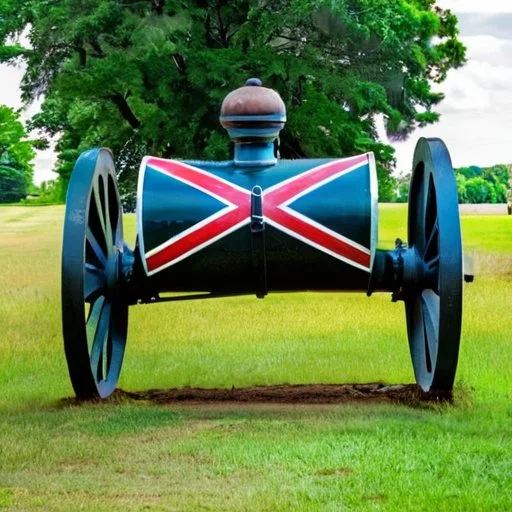
The Battle of Chancellorsville was one of the first battles in which the Confederates used advanced technology to gain an advantage. The Confederates employed a new type of artillery, known as the "Napoleon," which was more accurate and had a longer range than traditional cannons.
The Confederates also used advanced communication systems, including telegraphs and messengers, to coordinate their troops and respond to changing circumstances on the battlefield.
In contrast, the Union army's technology was not as advanced, and they struggled to adapt to the changing circumstances of the battle. The Union army's lack of advanced technology hindered their ability to respond effectively to the Confederate army's maneuvers.