


The Berlin Airlift, a remarkable operation that saved West Berlin from Soviet strangulation, is renowned for its unwavering determination and unrelenting efforts to supply a city in desperate need. For 15 months, the Western Allies defied the Soviet Union's blockade, airlifting an astonishing 2 million tons of cargo, including food, fuel, and supplies, to sustain the people of West Berlin against all odds.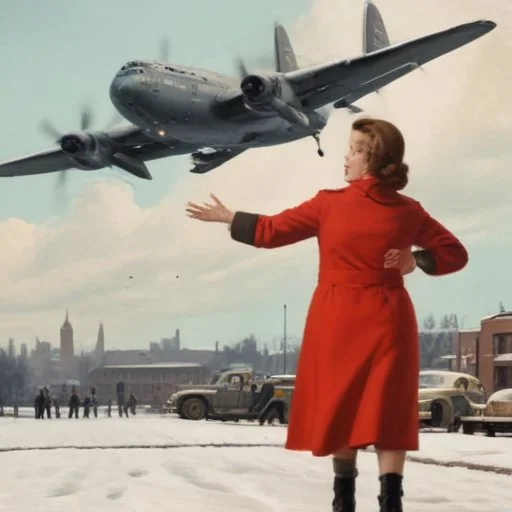
In the aftermath of World War II, Germany was divided into four zones controlled by the United States, Great Britain, France, and the Soviet Union. Berlin, the capital city, was located deep within the Soviet zone, but it was also divided into four zones. In 1948, the Soviet Union, led by Joseph Stalin, attempted to absorb East Berlin into the Soviet zone by blockading West Berlin, hoping to starve the city into submission.
The Berlin Airlift was a resounding success, with over 277,000 flights made, delivering an average of 5,000 tons of cargo per day. The operation:
The Berlin Airlift had a profound impact on the people of West Berlin, fostering a sense of community and resilience in the face of adversity. It also:
"We are the defenders of Berlin, and Berlin will stay free!" - General Lucius D. Clay
"The spirit of Berlin is unbreakable, and the Berlin Airlift is a testament to that spirit." - Ernst Reuter
One of the most remarkable aspects of the Berlin Airlift was the role played by ordinary people. From the pilots who flew the planes to the Berliners who received the aid, the airlift was a testament to human courage and resilience.
The Berlin Airlift set a precedent for future humanitarian airlift operations, demonstrating the power of airpower in crisis situations. It also:
The Berlin Airlift was a heroic feat of logistics and courage, saving a city from starvation and cementing its place in history as a symbol of hope and resilience.
The Berlin Airlift has been a subject of intense historical scrutiny, with many historians interpreting the event as a symbol of the Cold War rivalry between the Western Allies and the Soviet Union. Some have argued that the airlift was a demonstration of the West's commitment to containing communist expansion, while others have seen it as a humanitarian intervention that saved the lives of millions. The event has also been viewed through the lens of realpolitik, with some historians seeing it as a calculated move by the Western Allies to assert their dominance in Europe.
The historiography of the Berlin Airlift is characterized by a range of interpretive approaches, from traditional diplomatic history to more recent postcolonial and critical perspectives. While some historians have focused on the role of great power politics in shaping the event, others have explored the experiences of ordinary Berliners and the impact of the airlift on their daily lives.
One of the most contentious issues in the historiography of the Berlin Airlift is the question of whether the Western Allies' actions were motivated primarily by humanitarian concerns or by a desire to score a propaganda victory over the Soviet Union. While some historians have argued that the airlift was a genuinely humanitarian effort, others have seen it as a cynical exercise in Cold War propaganda.
Ernst Reuter, the Mayor of Berlin, played a crucial role in rallying the people of West Berlin during the Soviet blockade. Born in 1889, Reuter was a German politician and economist who had served as a member of the German Resistance during World War II. After the war, he became a leading figure in Berlin politics, advocating for the reconstruction and democratization of the city.
Reuter's leadership during the Berlin Airlift was marked by his steadfast determination to maintain the city's independence and resist Soviet pressure. Through his speeches and public appearances, he helped to galvanize the people of West Berlin, inspiring them to resist the blockade and hold out for relief from the Western Allies.
Reuter's relationships with the Western Allies were also crucial to the success of the airlift. He worked closely with General Lucius D. Clay and other American officials to coordinate the delivery of aid and supplies to the city.
The Berlin Airlift had a profound impact on the cultural and social fabric of West Berlin, shaping the city's identity and sense of community in ways that are still felt today. The airlift became a symbol of resistance and resilience, inspiring a range of cultural and artistic responses, from music and literature to visual art and film.
The airlift also had a significant impact on the social dynamics of West Berlin, fostering a sense of community and solidarity among the city's residents. The shared experience of living under siege helped to forge a sense of common purpose and shared identity, as Berliners came together to support one another and resist the Soviet blockade.
In the years that followed, the Berlin Airlift became a powerful symbol of the city's Cold War heritage, featuring prominently in popular culture and historical memory.
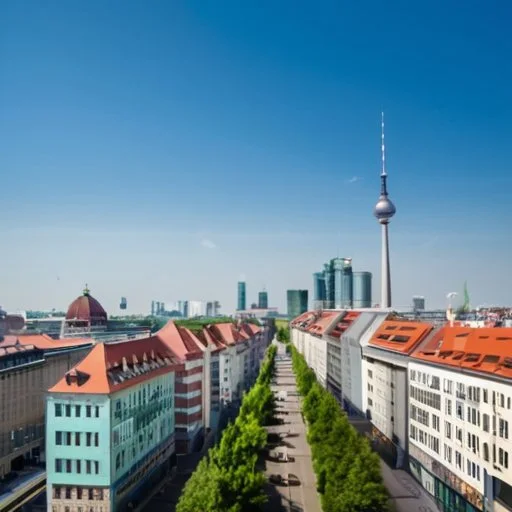
The Berlin Airlift was a groundbreaking demonstration of the power of air transport in crisis situations, showcasing the capabilities of modern military logistics and airlift operations. The airlift relied on a range of innovative technologies, from advanced navigation systems to high-capacity cargo aircraft.
One of the most significant technological innovations of the Berlin Airlift was the development of the "coal corridor," a narrow air corridor that allowed pilots to fly in and out of Berlin's Tempelhof Airport with precision and safety. This innovation enabled the airlift to operate at maximum efficiency, minimizing the risk of accidents and ensuring the steady flow of supplies to the city.
The Berlin Airlift also drove the development of new airlift capabilities, as the Western Allies invested in the design and construction of specialized cargo aircraft and equipment. These innovations had a lasting impact on the development of military logistics and humanitarian airlift operations, shaping the course of modern airpower.
The Berlin Airlift took place in the context of a broader geopolitical struggle for dominance in Europe, as the Western Allies and the Soviet Union vied for influence and control in the aftermath of World War II. The airlift was a key battleground in this struggle, as the Western Allies sought to demonstrate their commitment to the security and well-being of West Berlin.
The blockade of West Berlin was itself a response to the Western Allies' decision to introduce a new currency in their zones of occupation, which the Soviet Union saw as a threat to its own economic and political interests in Eastern Europe. The airlift was thus a counter-move in a larger game of strategic maneuvering, as the Western Allies sought to outmaneuver the Soviet Union and secure their position in Europe.
The Berlin Airlift ultimately cemented the division of Europe into Eastern and Western blocs, as the Soviet Union responded to the Western Allies' actions by consolidating its control over Eastern Europe and tightening its grip on the Soviet satellite states.