Government of Republic of China Flees to Taiwan
As the Chinese Civil War raged on, Chiang Kai-shek's Nationalist Government, struggling to hold power, made a desperate bid to escape the communist tide. In a dramatic turn of events, the government of the Republic of China abandoned its capital, Nanjing, and fled to Taipei, Taiwan. This marked the end of the Nationalist Party's grip on mainland China and paved the way for the establishment of a new communist regime under Mao Zedong. The exodus would have far-reaching consequences, cementing Taiwan's status as a haven for Nationalist forces and setting the stage for decades of tensions between Taiwan and mainland China.
The Government of the Republic of China's Relocation to Taipei, Taiwan: A Turning Point in the Chinese Civil War
A Desperate Bid to Escape the Communist Tide
The Government of the Republic of China's relocation from Nanjing to Taipei, Taiwan, in 1949, marked the culmination of a desperate bid to escape the communist tide that had been sweeping across mainland China. This pivotal event signified the end of the Nationalist Party's grip on the mainland and paved the way for the establishment of a new communist regime under
Mao Zedong.
Historical Background: The Chinese Civil War
The Chinese Civil War, which lasted from 1927 to 1950, was a complex and multifaceted conflict that pitted the Nationalist Party, led by
Chiang Kai-shek, against the Communist Party of China, led by Mao Zedong. The war was fought on multiple fronts, with the Nationalists initially holding sway over much of China, but gradually losing ground to the Communists.
The Rise of the Communist Party
In the aftermath of World War II, the Communist Party of China capitalized on widespread discontent with the Nationalist government's corruption, inflation, and poor governance. The Communists promised land reform, social justice, and an end to the nationalist government's perceived failures. As the Communists gained popularity, the Nationalists' grip on power began to slip.
The Fall of Nanjing
By 1949, the Communist forces had reached the gates of Nanjing, the Nationalist capital. In a last-ditch effort to stem the communist tide, Chiang Kai-shek's government abandoned Nanjing and fled to Taipei, Taiwan, in April 1949. This marked the end of the Nationalist Party's control over mainland China.
The Relocation to Taipei
Taipei, a city with a rich cultural heritage, was transformed overnight into the capital of the Republic of China. The city's infrastructure was hastily converted to accommodate the influx of government officials, soldiers, and refugees. The relocation was a logistical nightmare, with thousands of people crammed into makeshift shelters and temporary accommodation.
Major Outcomes and Impacts
The Government of the Republic of China's relocation to Taipei had far-reaching consequences:
- The establishment of a new communist regime under Mao Zedong, marking the beginning of a new era in Chinese history.
- The cementing of Taiwan's status as a haven for Nationalist forces and a symbol of resistance against communist rule.
- The perpetuation of tensions between Taiwan and mainland China, which continue to this day.
- The reconfiguration of the global geopolitical landscape, with Taiwan emerging as a key player in the Cold War era.
Cultural and Social Influences
The relocation of the Government of the Republic of China to Taipei had a profound impact on Taiwanese culture and society:
- The influx of mainland Chinese refugees brought new cultural practices, customs, and traditions to Taiwan.
- The Nationalist government's emphasis on preserving traditional Chinese culture led to a resurgence of interest in Confucianism, calligraphy, and other cultural practices.
- Taiwan's economic development was hastened by the relocation, as the government invested heavily in infrastructure and industry.
Controversies and Public Perception
The relocation of the Government of the Republic of China to Taipei remains a contentious issue:
- Critics argue that the Nationalist government's abandonment of mainland China was a betrayal of the Chinese people.
- Others see the relocation as a necessary evil, allowing the Nationalist government to regroup and reorganize in the face of communist aggression.
- The event continues to be shrouded in controversy, with many questions surrounding the circumstances of the relocation and the role of key figures involved.
Legacy and Impact on Future Events
The Government of the Republic of China's relocation to Taipei has had a lasting impact on Chinese history and international relations:
- The event marked the beginning of a long-standing rivalry between Taiwan and mainland China, which continues to shape global politics.
- The relocation paved the way for Taiwan's emergence as a major economic power and a key player in regional affairs.
- The event serves as a reminder of the complexities and challenges of modern Chinese history.
Conclusion
The Government of the Republic of China's relocation from Nanjing to Taipei, Taiwan, was a pivotal moment in the Chinese Civil War, marking the end of the Nationalist Party's grip on mainland China and the beginning of a new era in Taiwanese history. The event's far-reaching consequences continue to shape Taiwanese identity, Chinese politics, and global relations to this day.
Detailed Character Insight
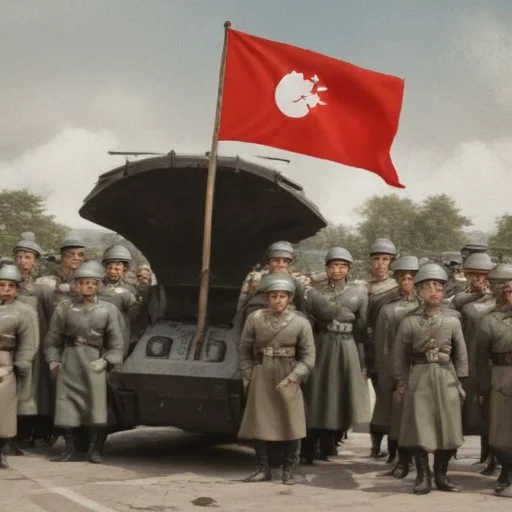
Chiang Kai-shek: The Leader Who Fled
Chiang Kai-shek, the leader of the Nationalist Party, was a complex figure who played a crucial role in the Chinese Civil War. Born in 1887, Chiang was a skilled military strategist and politician who rose to power in the 1920s.
Despite his strong anti-communist stance, Chiang's government was marred by corruption, nepotism, and poor governance. His decision to flee to Taipei in 1949 was widely criticized, and his leadership was questioned by many.
However, Chiang remained a key figure in Taiwanese politics until his death in 1975. His legacy continues to be debated, with some viewing him as a hero who resisted communist aggression, while others see him as a dictator who perpetuated authoritarian rule.
In-Depth Geopolitical Examination
The Geopolitical Context of the Chinese Civil War
The Chinese Civil War took place against the backdrop of a shifting global landscape. The aftermath of World War II saw the rise of the United States and the Soviet Union as superpowers, with both nations vying for influence in East Asia.
The Communist Party of China, backed by the Soviet Union, sought to establish a socialist regime in China. In contrast, the Nationalist Party, supported by the United States, aimed to maintain a capitalist system.
This geopolitical context added a layer of complexity to the Chinese Civil War, with both sides receiving foreign aid and support. The war was not only a domestic conflict but also a proxy war between the two superpowers.
Comprehensive Cultural Examination
The Cultural Impact of the Relocation on Taiwan
The relocation of the Nationalist government to Taipei had a profound impact on Taiwanese culture. The influx of mainland Chinese refugees brought new cultural practices, customs, and traditions to the island.
The Nationalist government's emphasis on preserving traditional Chinese culture led to a resurgence of interest in Confucianism, calligraphy, and other cultural practices. This cultural revival helped to shape Taiwanese identity and distinguish it from mainland China.
Furthermore, the relocation also led to the development of a unique Taiwanese cultural identity, which blended Chinese, Japanese, and indigenous influences.

Economic Influence Report
The Economic Impact of the Relocation on Taiwan
The relocation of the Nationalist government to Taipei had significant economic implications for Taiwan. The influx of government officials, soldiers, and refugees led to a surge in infrastructure development, including the construction of new housing, roads, and public facilities.
The Nationalist government invested heavily in industry, particularly in the manufacturing and textiles sectors. This led to rapid economic growth and established Taiwan as a major economic power in East Asia.
The relocation also led to the development of a more diversified economy, with Taiwan emerging as a key player in global trade.
In-Depth Historical Perspectives
Historiographical Perspectives on the Relocation
Historians have long debated the significance of the Nationalist government's relocation to Taipei. Some view the event as a turning point in modern Chinese history, marking the end of the Chinese Civil War and the beginning of a new era in Taiwanese politics.
Others see the relocation as a tactical retreat, necessitated by the Communist Party's military superiority. Regardless, the event remains a crucial moment in the narrative of modern China and Taiwan.
Recent historiographical perspectives have also highlighted the role of international actors, such as the United States, in shaping the outcome of the Chinese Civil War and the relocation of the Nationalist government.


