


Cyclone Nargis, a category 4 storm, made landfall in Burma on May 2, 2008, leaving a trail of destruction and despair in its wake. The storm is notorious for being one of the deadliest cyclones in recorded history, claiming the lives of over 138,000 people and displacing millions more.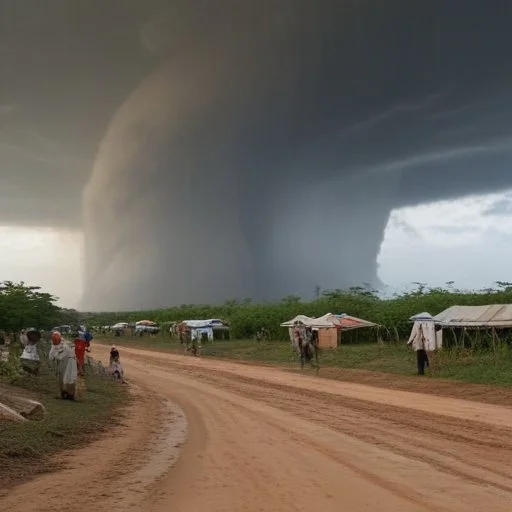
Located in Southeast Asia, Burma, also known as Myanmar, has a long history of cyclones and natural disasters. The country's location in the path of the Intertropical Convergence Zone (ITCZ) makes it prone to cyclones and tropical storms. However, Cyclone Nargis was unlike any other storm to have struck the region. Its sheer intensity and destructive power caught the Burmese government and international community off guard.
Cyclone Nargis made landfall in the Irrawaddy Delta, a densely populated region in southern Burma. The storm brought with it winds of over 135 km/h and torrential rains that caused widespread flooding and destruction. The storm surge swept through coastal villages, destroying homes, crops, and infrastructure, leaving millions stranded.
The aftermath of Cyclone Nargis was nothing short of catastrophic. The Burmese government's slow response to the disaster and reluctance to accept foreign aid exacerbated the situation, hampering relief efforts and leaving millions without access to basic necessities like food, water, and shelter.
The international community was quick to respond to the crisis, with countries and organizations pledging millions of dollars in aid. However, the Burmese government's strict control and limitations on foreign aid sparked controversy and criticism from the global community.
Cyclone Nargis had far-reaching consequences for Burma and the international community. The disaster led to a significant shift in the country's political landscape, with the military junta's response to the crisis sparking widespread criticism and calls for democratic reform.
The cyclone had a profound impact on Burmese society, with many survivors forced to rebuild their lives and communities from scratch. The disaster also highlighted the need for greater investment in disaster preparedness and response, leading to increased awareness and efforts to mitigate the effects of future natural disasters.
The Burmese government's response to the crisis was widely criticized, with many accusing the regime of prioritizing its own interests over the welfare of its citizens. The controversy sparked widespread outrage and calls for accountability, further straining relations between the government and the international community.
Survivors of Cyclone Nargis shared harrowing stories of loss and resilience, with many recounting the traumatic experiences they endured during the storm and its aftermath. The personal accounts of those affected by the disaster serve as a poignant reminder of the human cost of natural disasters and the importance of providing timely and effective aid.
Cyclone Nargis served as a stark reminder of the importance of disaster preparedness and response. The disaster led to increased efforts to improve early warning systems and emergency preparedness, with many countries and organizations learning valuable lessons from the crisis.
In recognition of their efforts to respond to the crisis, several organizations and individuals were honored for their contributions to the relief efforts. The awards served as a testament to the bravery and dedication of those who risked their lives to provide aid to those affected by the disaster.
The international community came together to provide aid and support to those affected by Cyclone Nargis. The charitable efforts of organizations and individuals from around the world helped to alleviate the suffering of millions and rebuild communities.
Cyclone Nargis was a devastating reminder of the power of nature and the importance of human solidarity in the face of disaster. As the world continues to grapple with the challenges of natural disasters, the lessons learned from this tragic event will remain an essential part of our collective efforts to mitigate the effects of such crises.
The impact of Cyclone Nargis on the environment was severe and long-lasting. The storm surge and flooding led to the destruction of mangrove forests, saltwater intrusion into freshwater sources, and the displacement of wildlife. The cyclone also caused significant oil spills and chemical leaks from damaged industrial facilities, further exacerbating the environmental damage.
The cyclone's aftermath saw a massive influx of aid and humanitarian efforts, which, while necessary, also had unintended environmental consequences. The increase in air traffic and transportation led to higher carbon emissions, while the massive deployment of temporary shelters and infrastructure resulted in large amounts of waste and debris.

Than Shwe, the former General Secretary of the State Peace and Development Council, was the de facto ruler of Burma during Cyclone Nargis. His regime's response to the disaster was widely criticized, with many accusing him of prioritizing his own interests over the welfare of his citizens.
Shwe's leadership style was marked by authoritarianism and paranoia, which contributed to the delayed and inadequate response to the cyclone. Despite the international outcry, Shwe remained defiant, refusing to accept foreign aid and instead opting for a policy of self-reliance.
Cyclone Nargis had a profound impact on Burmese culture and society. The disaster highlighted the need for greater community resilience and solidarity, as well as the importance of preserving traditional skills and knowledge.
The cyclone also led to a resurgence of interest in traditional music, art, and crafts, as people sought to preserve their cultural heritage in the face of disaster. The disaster also spurred a new wave of Burmese literature, with many writers and poets drawing inspiration from the cyclone and its aftermath.

The geopolitics of Cyclone Nargis were complex and multifaceted. The disaster occurred at a time of heightened tension between Burma and the international community, with the country's military regime facing increasing scrutiny and sanctions.
The cyclone provided an opportunity for the international community to re-engage with Burma, with many countries and organizations offering aid and assistance. However, the Burmese government's slow response and reluctance to accept foreign aid complicated the relief efforts and sparked controversy.
The political fallout from Cyclone Nargis was significant, with the disaster highlighting the need for greater democratic reform and accountability in Burma.
The cyclone exposed the weaknesses of the Burmese government's authoritarian system, revealing the regime's inability to respond effectively to crisis. The disaster also sparked widespread protests and calls for reform, leading to increased pressure on the government to implement democratic reforms.