Dolly the sheep is cloned from an adult cell
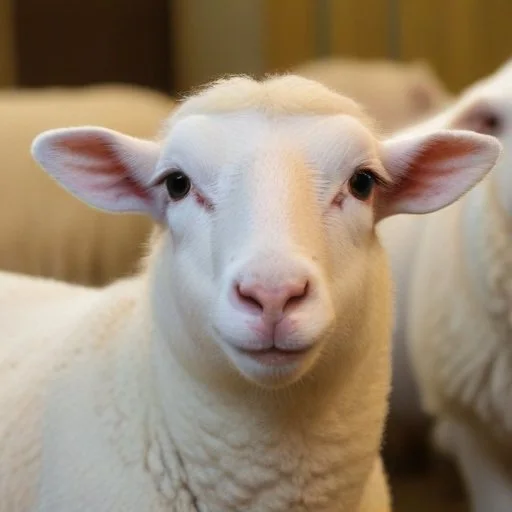
In a Scottish lab, a team of scientists led by Ian Wilmut stunned the world by successfully cloning an adult sheep, Dolly, from a single cell taken from the udder of a six-year-old ewe. This groundbreaking feat marked a major milestone in genetic engineering, sparking both amazement and ethical debates. Dolly's birth opened up new possibilities for cloning and genetic research, raising hopes for treating diseases and improving crop yields, while also sparking concerns about the morality and consequences of such pioneering technology.
The Birth of a Revolution: Dolly the Sheep Paves the Way for Genetic Engineering
A Milestone in Cloning: Meet Dolly, the First Mammal Cloned from an Adult Cell
On a fateful day in July 1996, a team of scientists at the Roslin Institute in Scotland achieved the impossible: they successfully cloned an adult sheep, Dolly, from a single cell taken from the udder of a six-year-old ewe. This groundbreaking feat marked a major milestone in genetic engineering, thrusting the world into uncharted territories of scientific possibility and ethical debate.
Understanding the Science Behind Dolly's Creation
To grasp the significance of Dolly's birth, it's essential to understand the complexities of cloning. Cloning involves the creation of an exact genetic replica of an organism, achieved by transferring the DNA from an adult cell into an egg cell, which is then stimulated to divide and develop into an embryo. The process is a delicate dance of genetic manipulation, requiring precision and expertise.
Ian Wilmut: The Visionary Behind Dolly's Creation
At the helm of the Roslin Institute's team was Dr.
Ian Wilmut, a renowned Scottish embryologist. Wilmut's passion for reproductive biology and genetics drove the project forward, and his team's dedication to excellence culminated in Dolly's birth. Wilmut's leadership and vision paved the way for future breakthroughs in genetic engineering.
A Timeline of Events: From Concept to Reality
- 1995: The Roslin Institute's team, led by Ian Wilmut, begins exploring the possibility of cloning an adult mammal.
- July 1996: Dolly is born, cloned from a single cell taken from the udder of a six-year-old ewe.
- 1997: Dolly's birth is announced to the world, sparking widespread media attention and public debate.
- 1997-2003: Dolly gives birth to six lambs, proving that cloned mammals can reproduce normally.
- 2003: Dolly is euthanized due to progressive lung disease and arthritis.
The Impact of Dolly's Creation
Dolly's birth opened up new avenues for genetic research, offering hope for treating diseases and improving crop yields. However, it also sparked intense ethical debates about the morality and consequences of such pioneering technology. The implications of cloning reach far beyond the scientific community, touching on fundamental questions about the nature of life and our relationship with technology.
Quotes and Memorable Sayings
"Dolly's birth was a major milestone, but it was only the beginning. It's a Pandora's box, and we don't know what's inside yet." - Ian Wilmut
Comparative Analysis with Similar Events
Dolly's creation shares parallels with other groundbreaking scientific achievements, such as the discovery of DNA's double helix structure by
James Watson and
Francis Crick. Both events revolutionized our understanding of genetics and paved the way for future breakthroughs.
Personal Accounts and Anecdotes
Dr. Ian Wilmut recounts the moment he first saw Dolly:
"I was amazed. She was so normal, so healthy. It was a very emotional moment."
Impact on Future Events
Dolly's creation has inspired a new generation of scientists to push the boundaries of genetic engineering. Her legacy extends beyond the scientific community, influencing public discourse on ethics, morality, and the responsible use of technology.
Awards and Honors
Ian Wilmut and his team were awarded the 1997
Paul Ehrlich and Ludwig Darmstaedter Prize for their pioneering work in cloning.
Educational Contributions and Influence
Dolly's creation has contributed significantly to our understanding of genetics and reproductive biology, shaping the course of scientific inquiry and inspiring new areas of research.
Trivia and Fun Facts
Did you know that Dolly was named after
Dolly Parton, the famous country singer? The name was chosen because it was a playful nod to the idea that Dolly the sheep was "a clone of a clone" - a reference to the singer's iconic song "Jolene."
Contrastive Analysis
A Comparative Analysis of Cloning Breakthroughs
While Dolly's creation marked a significant milestone in genetic engineering, it was not the first instance of successful cloning. In 1952, scientists Robert Briggs and Thomas King successfully cloned a frog from an embryonic cell, paving the way for future research in the field. Similarly, in 1981, a team led by Steen Willadsen cloned a lamb from an embryonic cell. However, Dolly's creation was distinct in that she was the first mammal to be cloned from an adult cell, making her birth a groundbreaking achievement.
The implications of these cloning breakthroughs go beyond the scientific community, raising important questions about the ethics and morality of genetic engineering. As scientists continue to push the boundaries of what is possible, it is essential to consider the potential consequences of such technologies on society as a whole.
Character Study
Ian Wilmut: The Visionary Behind Dolly's Creation
Born on July 7, 1944, in Hampton Lucy, England, Ian Wilmut is a renowned Scottish embryologist who has dedicated his career to reproductive biology and genetics. His passion for understanding the complexities of life led him to pursue a degree in agriculture from the University of Nottingham, followed by a Ph.D. in embryology from the University of Cambridge.
Wilmut's leadership and vision played a crucial role in the creation of Dolly. His dedication to his work and his team's expertise culminated in a breakthrough that would change the face of genetic engineering forever.
Study of Scientific Contributions
Scientific Contributions and Discoveries: A Lasting Legacy
Dolly's creation has had a profound impact on our understanding of genetics and reproductive biology. The techniques developed during the cloning process have paved the way for significant advancements in fields such as stem cell research, genetic therapy, and regenerative medicine.
The success of Dolly's cloning has also sparked a new wave of research into the possibilities of genetic engineering, inspiring scientists to explore new areas of study and driving innovation in the field.
Study of Technological Effects
Technological Impact Analysis: The Future of Genetic Engineering
The creation of Dolly marked a significant turning point in the history of genetic engineering, opening up new avenues for research and development. The technological advancements made possible by Dolly's cloning have far-reaching implications for fields such as agriculture, medicine, and biotechnology.
As scientists continue to push the boundaries of what is possible, it is essential to consider the potential consequences of such technologies on society as a whole. The responsible use of genetic engineering holds the key to unlocking new potential for humanity, but it also raises important ethical questions that must be addressed.
Study of Environmental Effects
Environmental Impact Studies: The Consequences of Genetic Engineering
The creation of Dolly has raised important questions about the potential environmental implications of genetic engineering. As scientists continue to develop new technologies, it is essential to consider the potential consequences for ecosystems and biodiversity.
The use of genetic engineering in agriculture, for example, has the potential to improve crop yields and reduce the need for pesticides and herbicides. However, it also raises concerns about the potential for genetically modified organisms to contaminate natural habitats and disrupt delicate ecosystems.


