


The Congress of Vienna, a landmark conference attended by European leaders, brought an end to Napoleon Bonaparte's reign and shaped the new European political landscape. The Treaty of Vienna, signed on June 9, 1815, rearranged the continent's borders, giving birth to a new European order and redrawing the map of Europe.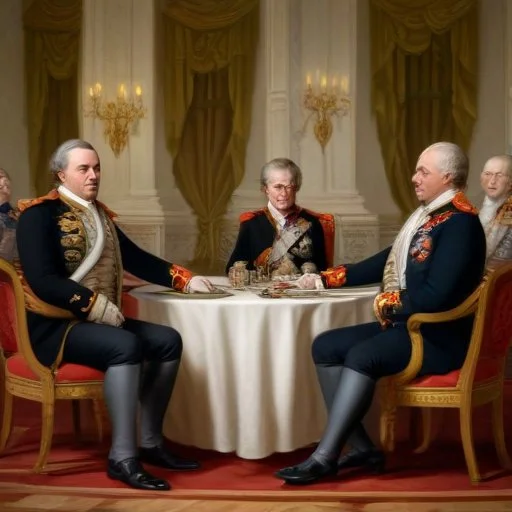
The Congress of Vienna was convened in response to the Napoleonic Wars, which had ravaged Europe for over a decade. With Napoleon's forced abdication in April 1814, the European powers saw an opportunity to reorganize the continent and prevent future conflicts.
The Congress was dominated by the Big Four – Austria's Klemens von Metternich, Britain's Viscount Castlereagh, Prussia's King Frederick William III, and Russia's Tsar Alexander I. These leaders worked tirelessly to redistribute power, maintaining the balance of Europe and securing the Treaty of Vienna.
| September 1814 | The Congress of Vienna begins, with over 200 delegates from European states and cities attending. |
| February 1815 | Napoleon Bonaparte escapes from exile and returns to power in France. |
| June 9, 1815 | The Treaty of Vienna is signed, marking the end of Napoleon's reign and the reorganization of Europe. |
| June 18, 1815 | The Battle of Waterloo, in which Napoleon is defeated, takes place. |
The Treaty of Vienna had far-reaching consequences, including:
The Congress of Vienna had a profound impact on European culture and society, marking the beginning of a new era of cooperation and diplomacy. The Congress also saw the emergence of a new European aristocracy, with the likes of Metternich and Castlereagh playing key roles.
The Congress of Vienna was not without its controversies. Critics argued that the Treaty of Vienna was too lenient on France, and that the Congress had failed to address the root causes of the Napoleonic Wars. Despite these criticisms, the Congress remains a pivotal moment in European history.
According to Metternich's memoirs, the Congress was a time of great drama and intrigue, with delegates frequently gathering at lavish balls and parties. Tsar Alexander I, known for his charm and charisma, played a key role in mediating disputes between the delegates.
The Congress of Vienna set the stage for the European Concert, a system of diplomacy and cooperation that would shape European politics for the next century. The Congress also paved the way for the Revolutions of 1848, as Europe's growing middle class began to demand greater representation and reforms.
In conclusion, the Congress of Vienna was a watershed moment in European history, marking the end of Napoleon's reign and the beginning of a new era of cooperation and diplomacy. The Treaty of Vienna, signed on June 9, 1815, rearranged the continent's borders and shaped the course of European politics for generations to come.
The Congress of Vienna has been subject to various historical interpretations, each offering a unique perspective on the event's significance. While some historians view the Congress as a triumph of diplomacy and statecraft, others see it as a failed opportunity to address the underlying causes of the Napoleonic Wars.
One school of thought emphasizes the Congress's role in preserving the European balance of power and preventing future conflicts. In this view, the Congress's emphasis on concert diplomacy and collective security measures ensured a period of relative peace and stability in Europe.
Another interpretation is more critical, arguing that the Congress's focus on restoring the pre-Napoleonic order ignored the growing nationalist and liberal movements across Europe. According to this view, the Congress's failure to address these underlying tensions ultimately contributed to the outbreak of future conflicts.
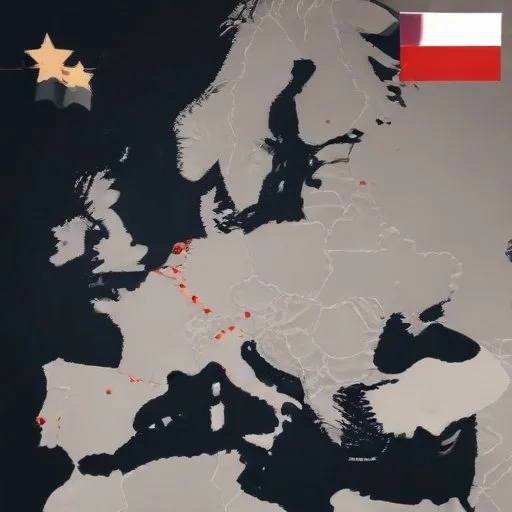
Klemens von Metternich, Austria's foreign minister, was a dominant figure at the Congress of Vienna. His diplomatic prowess and mastery of intrigue earned him the nickname "the coachman of Europe."
Metternich's influence was instrumental in shaping the Congress's deliberations, particularly in securing the recognition of Austria's territorial claims. His ability to build alliances and negotiate compromises helped to maintain the fragile balance of power in Europe.
The Congress of Vienna was convened against the backdrop of a rapidly shifting European geopolitical landscape. The Napoleonic Wars had redrawn the map of Europe, creating new power vacuums and opportunities for expansion.
The Congress's primary goal was to establish a new balance of power, with the Big Four – Austria, Britain, Prussia, and Russia – emerging as the dominant players. This new configuration would shape European politics for generations to come, influencing the formation of alliances, the spread of nationalism, and the outbreak of future conflicts.
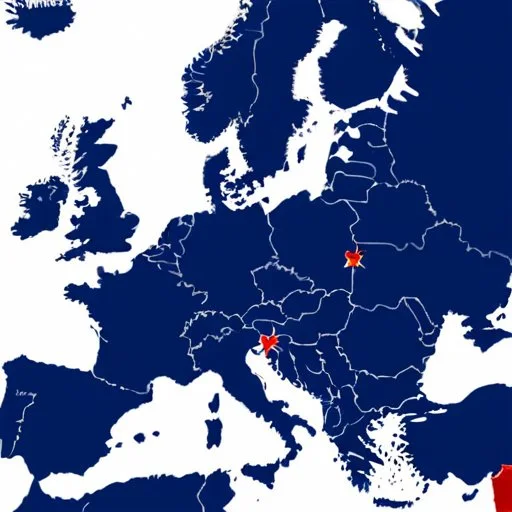
The Congress of Vienna marked a significant turning point in European cultural history, as the Old Regime's rigid hierarchies and absolutist monarchies gave way to a more fluid and dynamic cultural landscape.
The Congress's emphasis on diplomacy and cooperation fostered a new era of cultural exchange and collaboration, as European intellectuals and artists began to explore common themes and ideals. This cultural Renaissance would have far-reaching consequences, influencing the development of romanticism, nationalism, and liberal democracy.
The Congress of Vienna is often compared to other significant international conferences, such as the Treaty of Westphalia (1648) and the Paris Peace Conference (1919). While each conference responded to distinct historical contexts, they share a common goal: to reorganize the international system and prevent future conflicts.
Unlike the Treaty of Westphalia, which recognized the sovereignty of individual nation-states, the Congress of Vienna emphasized the importance of collective security and cooperation. In contrast to the Paris Peace Conference, which imposed harsh penalties on Germany, the Congress of Vienna adopted a more lenient approach, recognizing France's role in the European balance of power.