


On July 11, 1921, William Howard Taft made history by becoming the 10th Chief Justice of the United States, a position he assumed after serving as the 27th President of the United States. This extraordinary transition marked the first time in American history that an individual held both offices, cementing Taft's legacy as a trailblazer in the realm of politics and law.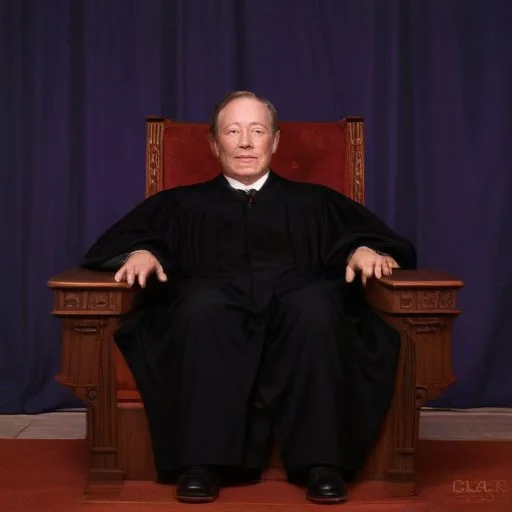
Born on September 15, 1857, in Cincinnati, Ohio, Taft was destined for greatness. He graduated from Yale University and later earned a law degree from the University of Cincinnati. His early career saw him serving as a judge, governor-general of the Philippines, and eventually, Secretary of War under President Theodore Roosevelt.
In 1909, Taft succeeded Roosevelt as President, serving until 1913. During his presidency, he focused on domestic issues, judiciously appointing judges and reforming the federal judiciary. Although his tenure was marked by controversy, Taft's commitment to public service remained unwavering.
Following his presidency, Taft returned to Yale as a professor of law and remained active in politics. In 1920, he was nominated by President Warren G. Harding to succeed Chief Justice Edward Douglass White. The Senate confirmed Taft's nomination on June 30, 1921, and he assumed the role of Chief Justice on July 11, 1921.
Taft's appointment brought a unique perspective to the Supreme Court, as he was the first Chief Justice to have previously served as President.
During his tenure, Taft played a crucial role in shaping the Court's decisions, often ruling in favor of state governments and upholding federal authority.
He also oversaw significant reforms, including the Judiciary Act of 1925, which streamlined the appeals process and established the Federal Circuit Courts of Appeal.
Taft's transition from President to Chief Justice had a profound impact on American politics and society. His appointment set a precedent for future presidents, demonstrating the importance of strong leadership and adaptability in public service.
In his autobiography, Taft recalled the day he was sworn in as Chief Justice, stating, "I felt a sense of relief, of freedom, that I had not known in many years." This quote highlights his enthusiasm for the new role and his dedication to serving the American people.
Taft's legacy extended beyond his tenure as Chief Justice. He paved the way for future presidents and justices, solidifying the importance of the judiciary in the American system of government.
Taft was the heaviest President in U.S. history, weighing over 300 pounds.
During his presidency, Taft was the first to use a radio to broadcast a message, speaking to a crowd in San Francisco from Washington, D.C.
Taft's remarkable career serves as a testament to the power of dedication and hard work. His willingness to adapt to new roles and challenges demonstrates the importance of leadership and public service in shaping American history.
As Taft so eloquently stated, "The world is not a wilderness, and we are not wild beasts. We are a community of civilized men and women, with a common purpose and a common goal." This quote encapsulates the essence of his remarkable transition, emphasizing the importance of cooperation and collaboration in the pursuit of a greater good.
William Howard Taft's Early Life and Ambitions
Taft's early life was marked by a strong sense of responsibility and ambition. Born into a respected Cincinnati family, he was encouraged by his parents to pursue a career in law and politics. This early influence can be seen in his later achievements, as he became one of the most prominent figures in American politics.
Taft's time at Yale University further solidified his ambition, where he was a member of the Skull and Bones society and graduated second in his class. His early career as a judge and governor-general of the Philippines showcased his ability to adapt to new roles and challenges.

The Cultural Significance of Taft's Transition
Taft's unprecedented transition from President to Chief Justice sent ripples throughout American society. It challenged traditional notions of power and authority, demonstrating that individuals can excel in multiple roles and adapt to new challenges.
This cultural shift is evident in the way Taft's presidency and later, his tenure as Chief Justice, were perceived by the public. His commitment to public service and his willingness to take on new responsibilities inspired a generation of Americans to pursue careers in politics and law.
The Supreme Court During Taft's Tenure
During Taft's tenure as Chief Justice, the Supreme Court underwent significant changes. He played a crucial role in shaping the Court's decisions, often ruling in favor of state governments and upholding federal authority.
One notable case during this period was United States v. Chemical Foundation, where Taft ruled that the government had the authority to regulate industry. This decision had far-reaching implications for the role of government in the economy.

Taft's Political Legacy
Taft's presidency and later, his tenure as Chief Justice, had a profound impact on American politics. He demonstrated the importance of strong leadership and adaptability in public service, setting a precedent for future presidents and justices.
Taft's commitment to public service also paved the way for future generations of politicians, inspiring them to pursue careers in government and law.
Taft's Educational Impact
Taft's legacy extends beyond his political and judicial achievements. As a professor of law at Yale University, he played a significant role in shaping the minds of future generations of lawyers and politicians.
His commitment to education and public service serves as an inspiration to students and scholars alike, emphasizing the importance of leadership, hard work, and dedication in achieving one's goals.