


The Aegean Sea, a Greek oil tanker, is infamously known for running aground in a storm off the coast of A Coruña, Spain, spilling approximately 80,000 tonnes of crude oil into the ocean. This catastrophic event, which took place on December 3, 1992, remains one of the most devastating environmental disasters in maritime history.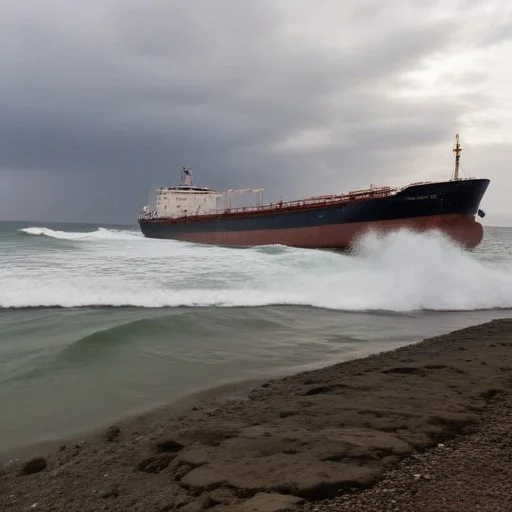
The Aegean Sea, built in 1971, was a behemoth of a tanker, measuring 247 meters in length and 32 meters in width. On that fateful night, it was navigating through the treacherous waters of the North Atlantic, en route to the port of A Coruña, when a powerful storm struck. The combination of strong winds, heavy rain, and massive waves proved too much for the tanker, causing it to lose its bearings and crash onto the rocky shores of the Spanish coast.
The impact of the spill was immediate and catastrophic. The thick, black crude oil spread rapidly across the ocean's surface, contaminating the waters and coastline of A Coruña. The oil slick stretched for miles, wreaking havoc on the region's delicate ecosystem. Thousands of birds, fish, and other marine life were killed, and the once-pristine beaches were left tarred and blackened.
In the aftermath of the disaster, a massive cleanup effort was launched to contain the spill and mitigate its effects. A fleet of ships, including oil skimmers and barges, was deployed to the scene to recover as much of the spilled oil as possible. Onshore, teams of workers toiled tirelessly to clean the beaches and restore the environment to its former glory.
In the wake of the Aegean Sea disaster, an investigation was launched to determine the cause of the accident and identify measures to prevent such tragedies in the future. The incident led to a major overhaul of maritime safety regulations, including the implementation of Double Hull tankers, improved navigation systems, and enhanced crew training.
The Aegean Sea disaster served as a wake-up call for the maritime industry, highlighting the need for increased vigilance and investment in safety measures. The incident also raised awareness about the importance of environmental protection and the devastating consequences of oil spills. Today, the Aegean Sea disaster remains an important lesson in the ongoing quest for safer and more sustainable maritime practices.
The people of A Coruña will never forget the devastating impact of the Aegean Sea disaster. The event is commemorated annually, with ceremonies and memorial services held to honor the victims of the disaster and pay tribute to the resilience of the city and its people. The disaster has also inspired a new generation of environmentalists and maritime safety advocates, who continue to work towards a safer and more sustainable future.
The Aegean Sea disaster will forever be etched in the annals of maritime history as a poignant reminder of the importance of safety, vigilance, and environmental responsibility. As we continue to navigate the treacherous waters of the 21st century, we would do well to remember the lessons of this tragic event and strive for a safer, more sustainable future.
The Aegean Sea disaster had a profound impact on the marine ecosystems of the affected region. The oil spill caused a significant decline in marine biodiversity, with many species experiencing population declines or even local extinctions. The spilled oil also contaminated the sediment and water column, affecting the entire food chain. Even years after the disaster, the ecosystems were still recovering, and the full extent of the damage may never be fully understood.
Studies have shown that the oil spill affected the reproduction and development of many marine species, including fish, shellfish, and other invertebrates. The spill also disrupted the delicate balance of the food web, leading to changes in the predator-prey dynamics and altering the composition of marine communities.
The disaster highlighted the need for more effective oil spill response and cleanup strategies, as well as the importance of protecting sensitive marine ecosystems from the impacts of human activities.
Captain Ioannis Vasilikos was the master of the Aegean Sea at the time of the accident. A seasoned mariner with over two decades of experience, Captain Vasilikos had a reputation for being a skilled and cautious navigator.
Despite his experience, Captain Vasilikos faced intense scrutiny and criticism in the aftermath of the disaster. The investigation into the accident revealed that he had deviated from the recommended route and failed to take adequate precautions in the face of bad weather.
The incident marked a turning point in Captain Vasilikos' career, and he eventually retired from active duty. However, his legacy serves as a reminder of the importance of vigilant navigation and the need for continued training and education in the maritime industry.
The Aegean Sea disaster was a catalyst for major changes in the design and construction of oil tankers. In the aftermath of the accident, the International Maritime Organization (IMO) implemented new regulations requiring all new tankers to be built with double hulls.
The double-hull design provides an additional layer of protection against oil spills in the event of a collision or grounding. The space between the two hulls can absorb and contain the impact, reducing the risk of oil escaping into the environment.
The widespread adoption of double-hull tankers has significantly reduced the risk of oil spills and improved the overall safety of maritime transportation. The technology has become a standard feature of modern tanker design, and its impact on maritime safety cannot be overstated.

The Aegean Sea disaster had a profound impact on public perception of the oil industry and the risks associated with maritime transportation. The accident highlighted the devastating environmental consequences of oil spills and raised awareness about the need for improved safety measures.
The disaster sparked widespread outrage and protests, with many calling for greater accountability and stricter regulations within the industry. The public outcry led to a shift in the industry's approach to safety, with a greater emphasis on prevention and preparedness.
The incident also inspired a new generation of environmental activists and advocates, who continue to push for greater transparency and accountability within the industry.
The Aegean Sea disaster occurred at a time of heightened tension between Spain and Greece, with both countries vying for influence in the Mediterranean region. The accident put a spotlight on the importance of international cooperation in responding to environmental disasters.
The Spanish government's response to the disaster was widely praised, with Prime Minister Felipe González taking a proactive role in coordinating the cleanup efforts. The incident also highlighted the need for greater cooperation between nations in addressing the risks associated with maritime transportation.
The disaster marked a turning point in Spain's relations with Greece, with both countries eventually signing a bilateral agreement aimed at strengthening cooperation on environmental issues.