


The early morning hours of January 3, 2020, marked a pivotal moment in modern history as Iranian General Qasem Soleimani, a figure both revered and reviled, fell victim to an American airstrike near Baghdad International Airport. The targeted killing of the powerful and enigmatic leader sent shockwaves across the globe, igniting fears of an all-out war between Iran and the United States.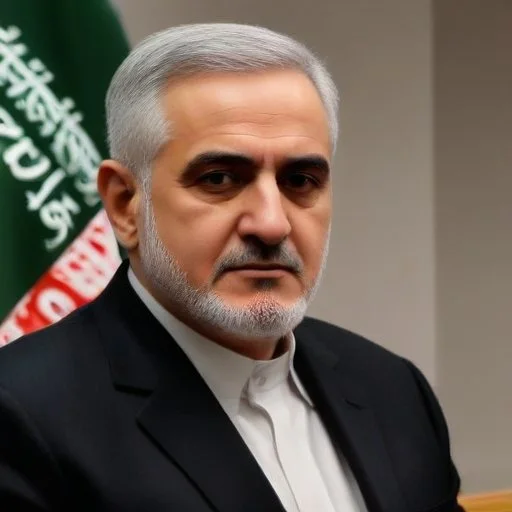
Qasem Soleimani, born on March 11, 1957, in Kerman, Iran, was a man shrouded in mystery, with a life that defied simplistic categorization. As the mastermind behind Iran's elite Quds Force, he was hailed as a national hero by many Iranians, while his enemies saw him as a ruthless strategist responsible for the deaths of hundreds of American soldiers.
Soleimani's climb to prominence was facilitated by his involvement in the Iran-Iraq War, where he distinguished himself as a skilled and fearless commander. His ascension continued with his appointment as the commander of the Quds Force in 1998, a position that granted him significant influence and autonomy.
The precision airstrike, authorized by President Donald Trump, was the culmination of escalating tensions between the United States and Iran. As news of Soleimani's demise spread, global leaders scrambled to respond, with Iran's Supreme Leader Ali Khamenei vowing "severe revenge" and the United States preparing for potential retaliatory attacks.
Soleimani's assassination has had far-reaching cultural and social implications, with many Iranians mourning the loss of a national icon. The event has also sparked a renewed sense of anti-American sentiment across the Middle East, further straining already fraught relationships.
The killing of Soleimani has raised important questions about the legality and ethics of targeted assassinations, sparking heated debates about the morality of state-sponsored killings.
In a rare interview, Soleimani once recalled his experiences during the Iran-Iraq War, stating, "I saw the war as a great opportunity to serve my country, and I was ready to give my life for it." This glimpse into his personal conviction and patriotism has been immortalized in Iranian popular culture.
The implications of Soleimani's assassination will continue to reverberate across the globe, shaping the trajectory of Middle Eastern politics and international relations for years to come.
In conclusion, the killing of Qasem Soleimani marks a watershed moment in modern history, one that will be remembered for its complexity, intrigue, and far-reaching consequences. As the world grapples with the fallout, one thing is certain – the legacy of Soleimani will continue to shape the course of global events.
Historians will undoubtedly scrutinize the events surrounding Soleimani's assassination, as it marks a critical juncture in the trajectory of modern Middle Eastern politics. The implications of this event will be subject to interpretation and reevaluation as new evidence emerges, and varying historiographical perspectives will shape our understanding of this pivotal moment.
Moreover, the killing of Soleimani raises important questions about the role of primary sources in historical narratives. As more information becomes available, historians will need to navigate the complexities of biased reporting, propaganda, and disinformation to reconstruct a comprehensive account of the events.

Beyond his public persona, Soleimani was a man driven by a deep sense of nationalism and religious fervor. His commitment to the Iranian Revolution and its ideals was unwavering, and he saw himself as a champion of the oppressed and a defender of the faith.
Despite his reputation as a master strategist, Soleimani was not immune to emotional appeals. He was known to be deeply affected by the suffering of civilians and the plight of the marginalized, often using his influence to alleviate humanitarian crises.
The killing of Soleimani must be viewed within the broader context of regional power struggles and great power rivalries. As the United States, Russia, China, and other nations vie for influence in the Middle East, the assassination serves as a stark reminder of the high stakes involved.
The ongoing proxy wars in Syria, Yemen, and Iraq have created a complex web of alliances and rivalries, with Soleimani's Quds Force playing a pivotal role in shaping the region's political landscape. His removal has sent shockwaves through this delicate ecosystem, leaving many to wonder what the future holds.
The killing of Soleimani has had a profound impact on the cultural and social fabric of the Middle East. The outpouring of grief and anger in Iran, combined with the widespread outrage across the region, has galvanized anti-American sentiment and reinforced nationalistic fervor.
Furthermore, Soleimani's image has become a powerful symbol of resistance and defiance, inspiring a new generation of activists and revolutionaries. His legacy will likely be invoked in the years to come, as a rallying cry for those seeking to challenge the status quo.
The assassination of Soleimani marks a significant escalation in the ongoing conflict between the United States and Iran. The move has pushed the two nations to the brink of war, with both sides engaging in a high-stakes game of brinksmanship.
The political fallout from Soleimani's killing will be far-reaching, as regional powers and international organizations scramble to respond to the crisis. The incident has exposed deep-seated divisions within the international community, revealing a yawning chasm between those who support the US action and those who condemn it as a reckless provocation.