


The Iran-Iraq War, one of the most devastating conflicts of the 20th century, finally came to an end on August 20, 1988, as a ceasefire was agreed upon by both nations, bringing an end to almost eight years of brutal fighting. The war, which had claimed hundreds of thousands of lives, destroyed entire cities, and left deep scars, was a brutal reminder of the devastating consequences of unchecked nationalism and political ambition.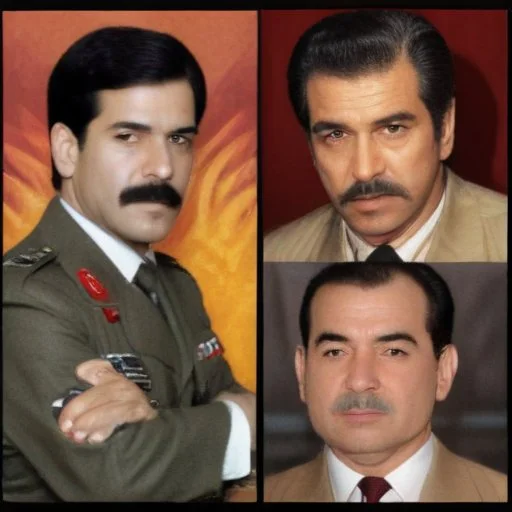
The seeds of the conflict were sown in the early 1980s, when Saddam Hussein, the Iraqi dictator, began to make overtures towards Iran's oil-rich regions. Hussein's regime, sensing an opportunity to expand its territory and secure a strategic advantage over its rival, began to make aggressive moves towards the Iranian border. The situation escalated rapidly, and on September 22, 1980, Iraq launched a full-scale invasion of Iran, sparking a conflict that would last for almost a decade.
The war saw several key turning points, including:
The Iran-Iraq War had far-reaching consequences for both nations and the wider region:
The war had a profound impact on Iranian and Iraqi society:
The war was marked by several controversies, including:
One Iranian soldier, who fought on the front lines, recalled the horrors of the war:
"I saw things that no human being should ever have to see. The smell of death was everywhere, and the cries of the wounded still haunt me to this day."The Iran-Iraq War had significant implications for future conflicts in the region:
As the guns fell silent, the world breathed a collective sigh of relief. But as the people of Iran and Iraq looked to the future, they knew that the road to reconciliation would be long and difficult. The fragile peace of 1988 was just the beginning of a new chapter in the complex and troubled history of the Middle East.
The Iran-Iraq War was not just a sudden outbreak of violence. It was the culmination of years of simmering tensions between the two nations. In the 1970s, Iraq and Iran had a series of border disputes, with Iraq claiming sovereignty over the Shatt al-Arab waterway. The situation escalated in 1979, when Ayatollah Khomeini came to power in Iran and began to exporting his revolutionary ideology to Iraq's Shia population.
In response, Saddam Hussein launched a series of crackdowns on Iraq's Shia population, which only added to the tensions. By 1980, it was clear that war was imminent.

Ruhollah Khomeini was more than just the spiritual leader of Iran. He was a charismatic figure who inspired devotion in his followers and fear in his enemies. Born in 1902, Khomeini was a product of the Shia Islamic tradition, and his early life was marked by a deep commitment to his faith.
Khomeini's rise to power was swift and decisive. In 1979, he led the Iranian Revolution, which toppled the Shah's government and established an Islamic republic in its place. As the new leader of Iran, Khomeini was determined to spread his revolutionary ideology to the rest of the region.
Saddam Hussein and Ruhollah Khomeini were two men with similar ambitions but vastly different ideologies. Both men were driven by a desire for power and a vision for their respective nations. However, while Saddam was a secular nationalist, Khomeini was a devout Islamist.
Despite their differences, both men shared a similar ruthless streak. Saddam was notorious for his use of chemical weapons against Iraqi Kurds, while Khomeini's regime was known for its brutal suppression of political dissent.

The Iran-Iraq War was one of the costliest conflicts of the 20th century. The war is estimated to have cost Iran alone over $500 billion in damages, while Iraq's losses were estimated to be around $300 billion.
The war also had a devastating impact on the global economy. The conflict disrupted oil production, leading to a spike in oil prices and a global recession. The war also led to a significant increase in military spending, as countries around the world scrambled to respond to the new threats posed by the conflict.
The Iran-Iraq War was not just a conflict between two nations. It was a war that was fueled by the geopolitical rivalries of the time. The United States and the Soviet Union, locked in a Cold War, saw the conflict as an opportunity to gain an upper hand in the region.
The United States, in particular, saw Saddam Hussein as a useful ally in its efforts to counter Iranian influence in the region. As a result, the US provided significant military aid to Iraq, even as it condemned Saddam's use of chemical weapons.