Filipino rebels secretly form Katipunan society against Spain
In the sweltering heat of Manila, a group of brave and determined Filipinos gathered in secret, united by their desire for freedom from Spanish rule. Led by Emilio Jacinto, Teodoro Plata, and Andres Bonifacio, these rebels formed the Katipunan, a revolutionary society that would spark the Philippine Revolution. With cryptic passwords, handshakes, and a blood compact, they vowed to fight for independence, sparking a movement that would change the course of their nation's history.
The Birth of a Revolution: The Katipunan's Rise to Freedom
A Secret Society Unites for Independence
The Katipunan, a mysterious and daring organization, was established in 1892, marking the beginning of a long and arduous fight for Philippine independence from Spanish colonial rule. This clandestine group's discovery by Spanish authorities would spark the flames of the Philippine Revolution, forever changing the course of the nation's history.
A Historical Background of Oppression
For over three centuries, the Philippines had been under Spanish control, with the native population facing forced labor, heavy taxation, and cultural suppression. The desire for independence had been simmering, with various uprisings and rebellions taking place throughout the years. However, it wasn't until the formation of the Katipunan that a unified and organized effort for freedom was undertaken.
The Founding Fathers
- Emilio Jacinto, also known as the "Brain of the Katipunan," was a brilliant military strategist and writer who played a key role in the organization's early days.
- Teodoro Plata, a respected lawyer and intellectual, brought a sense of gravitas and legitimacy to the group.
- Andres Bonifacio, a charismatic and passionate leader, would become the supreme leader of the Katipunan, guiding the organization through its most tumultuous period.
A Timeline of Events
- 1892: The Katipunan is established, with Bonifacio, Jacinto, and Plata at the helm.
- 1896: The Spanish authorities discover the existence of the Katipunan, leading to a wave of arrests and executions.
- 1897: Bonifacio is killed in a power struggle within the organization, paving the way for Emilio Aguinaldo to take over as leader.
- 1898: The Spanish-American War breaks out, and the Philippines declare independence.
A Blood Compact and Cryptic Passwords
The Katipunan's use of cryptic passwords, handshakes, and a blood compact symbolized the members' unwavering commitment to the cause. This sense of camaraderie and shared purpose allowed the organization to thrive in the face of overwhelming odds.
Major Outcomes and Impacts
The Katipunan's establishment and subsequent discovery by Spanish authorities set in motion a chain of events that would ultimately lead to the Philippine Revolution. This period of upheaval would pave the way for the eventual independence of the Philippines, albeit after a long and brutal struggle.
Cultural and Social Influences
The Katipunan's fight for independence had far-reaching cultural and social implications. The organization's emphasis on education, literature, and the arts helped to foster a sense of national identity, which would continue to evolve and flourish in the years to come.
Personal Accounts and Anecdotes
In his memoirs, Emilio Jacinto wrote of the early days of the Katipunan, recalling the sense of excitement and trepidation that came with secrecy. He noted, "We knew that our discovery would mean death, but we were willing to risk everything for the sake of our beloved country."
Impact on Future Events
The Katipunan's legacy extends far beyond the Philippine Revolution. The organization's fight for independence inspired future generations of Filipinos to continue striving for social and political change. Today, the Katipunan remains an important symbol of resistance and a testament to the power of collective action.
Side-by-Side Comparison
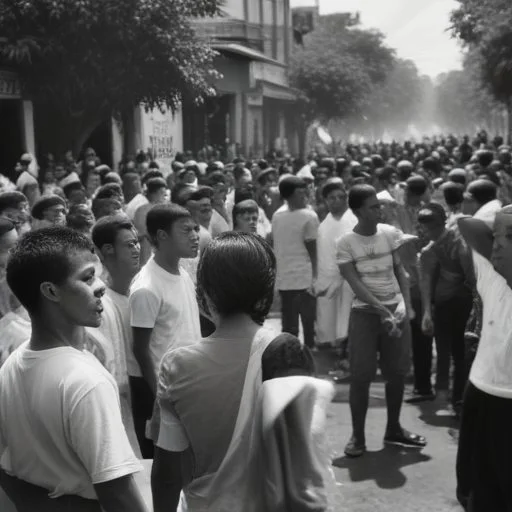
The Katipunan's fight for independence shares similarities with other nationalist movements of the time, such as the Cuban War of Independence and the Philippine-American War. All three movements were sparked by the desire for self-governance and freedom from colonial rule.
However, the Katipunan's approach differed from its contemporaries in several key ways. Unlike the Cubans, who sought American support, the Katipunan focused on internal organization and grassroots mobilization. This approach allowed the organization to build a strong foundation and maintain its independence.
In contrast, the Philippine-American War, which followed the Spanish-American War, was marked by a more collaborative effort between the Filipino revolutionaries and the American forces. The Katipunan's early years, on the other hand, were characterized by a more clandestine and autonomous approach.

Thorough Character Sketch
Teodoro Plata: The Intellectual Force Behind the Katipunan
Teodoro Plata, one of the founding fathers of the Katipunan, brought a unique set of skills and perspectives to the organization. As a respected lawyer and intellectual, Plata helped to legitimize the Katipunan in the eyes of the Filipino population.
Plata's involvement in the organization also highlighted the importance of education and intellectual pursuits in the fight for independence. His commitment to the cause inspired a new generation of Filipino intellectuals to take up the mantle of nationalism.
In-Depth Cultural Influence Study
The Katipunan's emphasis on education, literature, and the arts had a profound impact on Filipino culture. The organization's promotion of Tagalog as a national language helped to foster a sense of national identity and unity.
The Katipunan's cultural efforts also inspired a new wave of Filipino artists and writers, who sought to express the nation's struggles and aspirations through their work. This cultural renaissance helped to pave the way for the development of a modern Filipino identity.
Geopolitical Dynamics Review
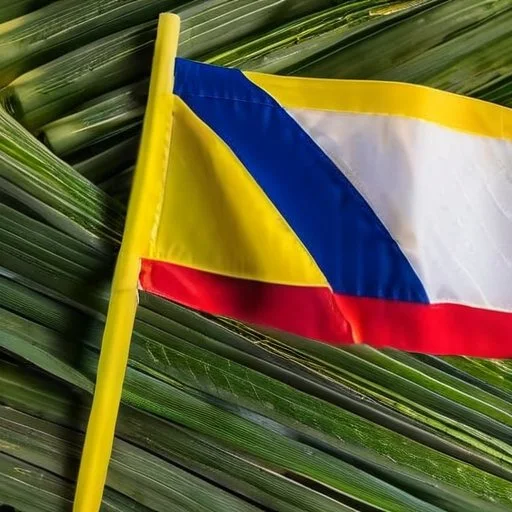
The Katipunan's rise to prominence took place within the context of a rapidly changing global landscape. The late 19th century saw the decline of the Spanish Empire and the rise of new colonial powers, including the United States.
This shifting geopolitical context created both opportunities and challenges for the Katipunan. On the one hand, the organization was able to capitalize on the weaknesses of the Spanish Empire to advance its own cause. On the other hand, the Katipunan had to navigate the treacherous waters of international politics to secure recognition and support for the Philippine cause.
Historiographical Insights
The historiography of the Katipunan is characterized by a rich diversity of perspectives and interpretations. Early histories of the organization, written by Filipino scholars, tended to emphasize the heroic and romantic aspects of the movement.
More recent scholarship has sought to nuance this narrative, highlighting the complexities and contradictions of the Katipunan's history. This includes a greater emphasis on the role of women, peasants, and other marginalized groups in the movement.
Despite these advances, much work remains to be done in uncovering the hidden histories of the Katipunan and its participants. Ongoing research and scholarship will continue to shed new light on this pivotal moment in Philippine history.


