


"There is no great social evil more prolific of evil consequences than oppression of the Jews." - Louis Brandeis
According to Felix Frankfurter, a close friend and confidant of Brandeis, the Justice remained humble and grounded throughout his career, never losing sight of his commitment to social justice.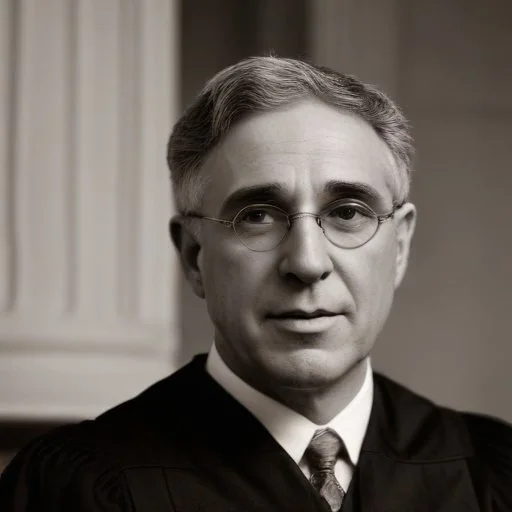
As a trailblazer for diversity and equality, Louis Brandeis' appointment to the Supreme Court had a profound impact on American culture. His presence on the bench helped to break down social barriers, paving the way for future generations of underrepresented groups to break into the highest echelons of power. Brandeis' commitment to social justice also inspired a new wave of social activists, who saw him as a beacon of hope for a more inclusive and equitable society.
In the years following Brandeis' appointment, there was a significant increase in the number of Jewish Americans entering politics and public service. His legacy served as a catalyst for greater diversity in government, with more women, African Americans, and other underrepresented groups seeking public office. Brandeis' impact on American culture extends far beyond his judicial decisions, as his presence on the Supreme Court helped to reshape the fabric of American society.
Breaking Down BarriersBrandeis' appointment also had a profound impact on the Jewish community, who saw him as a symbol of acceptance and inclusion. His presence on the Supreme Court helped to dispel stereotypes and challenges anti-Semitic sentiments, paving the way for greater understanding and acceptance between Jewish and non-Jewish Americans.

Louis Brandeis was a complex and multifaceted individual, driven by a strong sense of social justice and a desire to protect individual liberties. Born in 1856 in Kentucky, Brandeis grew up in a family that valued education and social responsibility. These early influences shaped his progressive ideals and commitment to protecting the marginalized and underprivileged.
Throughout his career, Brandeis remained deeply committed to his Jewish heritage, often incorporating Jewish principles of justice and compassion into his legal arguments. His strong sense of social responsibility and commitment to justice earned him a reputation as a champion of the underdog, and his progressive ideals inspired a new generation of social activists and lawyers.
A Champion of the PeopleDespite his many accomplishments, Brandeis remained humble and grounded throughout his career, never losing sight of his commitment to social justice. His legacy serves as a testament to the power of individual courage and conviction, inspiring future generations to continue the fight for a more just and equitable society.
Louis Brandeis' appointment to the Supreme Court in 1916 marked a significant turning point in American judicial history. Brandeis' progressive ideals and commitment to social justice contrasted sharply with the more conservative judicial philosophies of the time, paving the way for a more liberal and activist court.
A New Era of Judicial ActivismIn contrast to his conservative predecessor, Justice Joseph Lamar, Brandeis was more willing to challenge established precedent and advocate for greater social change. This shift in judicial philosophy marked a significant departure from the more conservative court of the early 20th century, paving the way for a more liberal and activist court in the decades that followed.

The fight for social justice and equality that Louis Brandeis championed during his time on the Supreme Court continues to shape American society today. Brandeis' commitment to protecting individual liberties and promoting social justice helped to pave the way for future generations of social activists and civil rights leaders.
From the labor movements of the early 20th century to the civil rights movements of the 1950s and 1960s, Brandeis' legacy served as a beacon of hope for a more inclusive and equitable society. His progressive ideals and commitment to social justice inspired a new generation of social activists, who saw him as a symbol of the power of individual courage and conviction.
A Legacy of Social ChangeToday, Brandeis' legacy continues to inspire social activists and lawyers, who see him as a model of judicial excellence and commitment to social justice. His fight for diversity and equality continues to shape American society, as newer generations of social activists and leaders seek to build on his legacy and create a more just and equitable society.
Louis Brandeis' appointment to the Supreme Court in 1916 marked a significant turning point in American political history. His nomination by President Woodrow Wilson sparked controversy and debate among the Senate, with many questioning his qualifications and progressive ideals.
Brandeis' appointment was seen by many as a strategic move by Wilson to shore up support among progressive and liberal voters, who saw Brandeis as a champion of social justice and reform. The controversy surrounding Brandeis' nomination had significant political implications, paving the way for a more liberal and activist court in the decades that followed.
A Politically Charged AppointmentThe political fallout from Brandeis' appointment was significant, with many conservatives and Republicans opposing his nomination. Despite the controversy, Brandeis' appointment marked a significant shift in the balance of power on the court, paving the way for a more liberal and activist court in the decades that followed.