


In a poignant ceremony on July 11, 1977, President Jimmy Carter bestowed the Presidential Medal of Freedom upon the late Martin Luther King Jr., assassinated nearly a decade prior. This esteemed recognition solidified King's legacy as a champion of civil rights, equality, and human dignity, cementing his indelible mark on American history.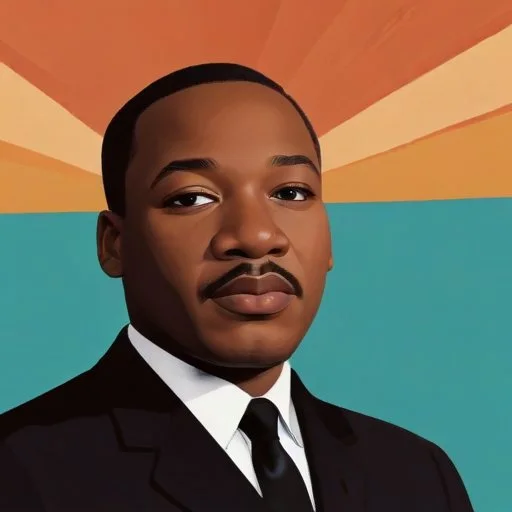
Martin Luther King Jr.'s unwavering commitment to civil rights activism began in the 1950s, as he fiercely challenged the entrenched segregation and discrimination prevalent in the United States. Through nonviolent protests, powerful oratory, and unwavering determination, King-inspired a nation to confront its darkest demons, pushing the boundaries of social justice and human equality.
King's philosophy of nonviolent resistance, deeply rooted in Christian principles and Gandhian ideals, empowered ordinary citizens to challenge institutionalized oppression. His leadership during the Montgomery Bus Boycott, the March on Washington, and the Selma to Montgomery Marches galvanized a nation, forcing the passage of landmark legislation, including the Civil Rights Act of 1964 and the Voting Rights Act of 1965.
The Presidential Medal of Freedom, established in 1963 by President John F. Kennedy, is the nation's highest civilian honor, awarded to individuals who have made "especially meritorious contributions to the security or national interests of the United States, world peace, cultural or other significant public or private endeavors." King's posthumous award was a testament to his tireless crusade for equality, justice, and human rights, inspiring generations to come.
The Presidential Medal of Freedom honoring Martin Luther King Jr. served as a beacon of hope for those continuing the fight for social justice. It underscored the significance of King's life work, which continues to inspire activists, scholars, and ordinary citizens alike. His legacy extends beyond the realm of civil rights, influencing movements for environmental justice, women's rights, and LGBTQ+ equality.
The Presidential Medal of Freedom awarded to Martin Luther King Jr. serves as a catalyst for continued advocacy and activism, inspiring future generations to strive for social justice, equality, and human rights. His legacy continues to influence contemporary social movements, reaffirming the power of nonviolent resistance and the importance of humanitarian efforts.
Martin Luther King Jr.'s receipt of the Presidential Medal of Freedom is a testament to his unwavering dedication to the pursuit of justice and human dignity. As we reflect on his life and work, we are reminded of the enduring power of nonviolent resistance, the importance of challenging institutionalized oppression, and the boundless potential of the human spirit.
Through his remarkable journey, Martin Luther King Jr. has left an indelible mark on American history, cementing his status as a champion of civil rights, equality, and human dignity. His legacy will continue to inspire, motivate, and empower generations to come, serving as a beacon of hope for a brighter, more just future.
Martin Luther King Jr.'s leadership during the Montgomery Bus Boycott, which lasted from 1955 to 1956, marked a significant turning point in the Civil Rights Movement. This 381-day boycott, sparked by Rosa Parks' refusal to give up her seat, resulted in the U.S. Supreme Court ruling that segregation on public buses was unconstitutional. KING'S STRATEGY OF NONVIOLENT RESISTANCE proved successful, as African Americans in Montgomery, led by King, refused to ride the buses until the segregation law was revoked. This victory not only desegregated Montgomery's buses but also propelled King to national prominence.
The Montgomery Bus Boycott was a stepping stone to larger Civil Rights efforts, including the March on Washington and the Selma to Montgomery Marches. These protests, led by King and other key figures, pushed for comprehensive civil rights legislation, ultimately contributing to the passage of the Civil Rights Act of 1964 and the Voting Rights Act of 1965.
CORETTA SCOTT KING, Martin Luther King Jr.'s wife, played a vital role in the Civil Rights Movement. As an activist, author, and singer, Coretta Scott King worked closely with her husband, supporting his efforts and often speaking at events. After her husband's assassination, Coretta continued to champion civil rights, women's rights, and gay rights. She also established the Martin Luther King Jr. Center for Nonviolent Social Change in Atlanta, which remains a prominent hub for social justice activism.
Throughout her life, Coretta Scott King remained committed to advancing social justice, often facing criticism and opposition. Her dedication to her husband's legacy and her own unwavering advocacy earned her numerous honors, including the Presidential Medal of Freedom, the Congressional Gold Medal, and four Grammy Awards.
The American Civil Rights Movement, led by figures like Martin Luther King Jr., had a profound impact on cultural norms and values in the United States. The movement's emphasis on nonviolent resistance, equality, and human dignity helped shape a new national identity, one that acknowledged the inherent worth and rights of all individuals, regardless of race or ethnicity.
The movement's influence extended beyond American borders, inspiring social justice movements worldwide. From anti-apartheid efforts in South Africa to feminist movements in Europe, the Civil Rights Movement's message of nonviolent resistance and equality resonated globally. This cultural legacy continues to shape social justice activism today, as movements like Black Lives Matter and #MeToo draw on the movement's ideals and strategies.
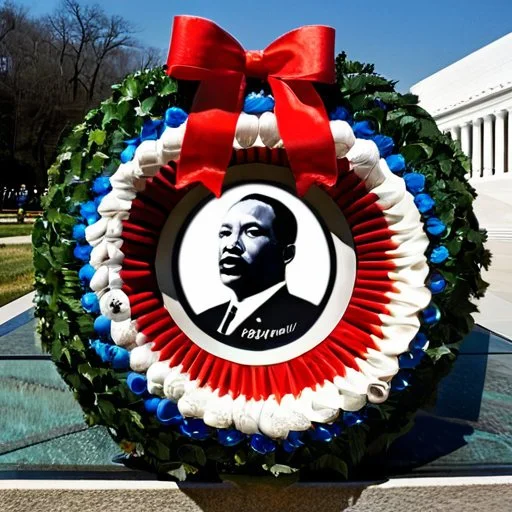
Martin Luther King Jr.'s philosophy of nonviolent resistance was deeply rooted in CHRISTIAN PRINCIPLES and influenced by the ideals of Mahatma Gandhi. King's commitment to nonviolence was grounded in his belief in the power of love and compassion to transform individuals and society. This approach, which emphasized moral persuasion over physical force, helped to discredit segregation and discrimination, paving the way for legislative reforms.
King's philosophy also drew on " beloved community", a concept that envisioned a society where all individuals were treated with dignity and respect. This vision of a harmonious, egalitarian community continues to inspire social justice activists, who strive to create a world where all individuals can thrive and reach their full potential.
The life and work of Martin Luther King Jr. have had a profound impact on EDUCATIONAL PEDAGOGY. King's commitment to nonviolent resistance and civil rights has inspired educators to develop innovative approaches to teaching social justice, diversity, and inclusion. His legacy has also led to the incorporation of African American studies, multicultural education, and social justice pedagogy into curricula across the United States.
KING'S PHILOSOPHY OF NONVIOLENT RESISTANCE has also influenced educational initiatives, such as service-learning programs, conflict resolution training, and character education. By emphasizing empathy, critical thinking, and civic engagement, these initiatives aim to empower students to become active participants in creating a more just and equitable society.