


In 2004, the world was shocked by the revelation of graphic photographs depicting American soldiers committing war crimes against Iraqi detainees at Abu Ghraib prison. The disturbing images, which showcased physical and psychological abuse, sexual humiliation, and torture, sparked widespread outrage and condemnation, forcing the United States to confront the darkest aspects of its military operations.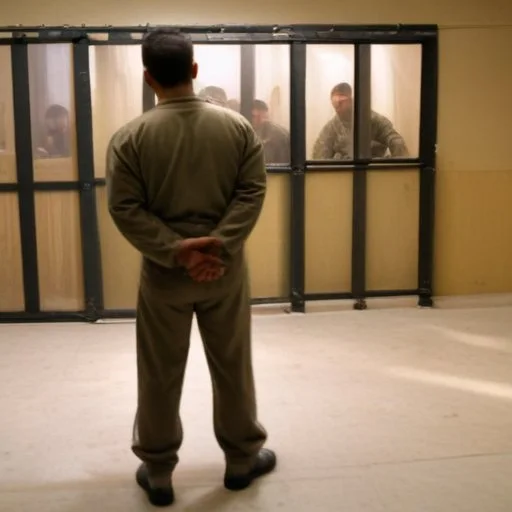
Located on the outskirts of Baghdad, Abu Ghraib prison was built in the 1960s during Saddam Hussein's regime. Known for its notorious conditions and brutal treatment of prisoners, the prison was seen as a symbol of Saddam's oppressive rule. After the US-led invasion of Iraq in 2003, the prison was taken over by American forces, who used it to detain thousands of Iraqi civilians and insurgents.
The graphic photographs, obtained by CBS's 60 Minutes II, showed American soldiers mocking and degrading their captives, forcing them to pose in humiliating positions, and subjecting them to physical and psychological torture. The images were met with disbelief and horror, sparking a global outcry and putting the US government on the defensive.
The Abu Ghraib scandal unfolded over several months, with the following key events:
The Abu Ghraib scandal led to significant consequences for those involved, as well as broader implications for the US military and government:
The Abu Ghraib scandal had far-reaching cultural and social implications, sparking a national conversation about the nature of war, military accountability, and human rights:
In the aftermath of the Abu Ghraib scandal, the world was forced to confront the harsh realities of war and the importance of upholding human rights, even in the darkest of times.
The story of Lynndie England, a 21-year-old Army Reserve soldier, is a complex one. Born in Virginia, England grew up in a trailer park and was known for her mischievous behavior. She joined the Army Reserves in 2001, hoping to escape her mundane life. However, her time at Abu Ghraib prison would forever change her life. England was quickly drawn into the culture of abuse and humiliation, often participating in the abuse herself. Despite her involvement, England's lawyers argued that she was simply following orders and was not responsible for the abuses. This raised questions about the accountability of soldiers and the role of superior officers in preventing such abuses.
England's story serves as a cautionary tale about the dangers of unchecked power and the consequences of blindly following orders. Her case also highlights the importance of accountability and transparency in military operations.

The Abu Ghraib scandal has been compared to other instances of human rights abuses throughout history, including the Stanford Prison Experiment and the Milgram Experiment. These studies demonstrated the ease with which ordinary people can become perpetrators of abuse when given authority and a sense of impunity.
Similarly, the Abu Ghraib scandal has been likened to the My Lai Massacre during the Vietnam War, where American soldiers killed hundreds of unarmed civilians. Both incidents highlight the dangers of morally disengaged soldiers and the importance of maintaining ethical standards in military operations.
These comparisons serve as a reminder that the Abu Ghraib scandal was not an isolated incident, but rather a symptom of a broader problem of accountability and human rights abuses in military conflicts.
The Abu Ghraib scandal has had a profound impact on popular culture, with references to the scandal appearing in films, television shows, and music. The scandal has also inspired numerous books, documentaries, and plays, ensuring that the incident remains in the public consciousness.
The scandal has also inspired a renewed interest in the treatment of prisoners and human rights, with many artists and writers using the incident as a catalyst for social commentary.
The Abu Ghraib scandal has become a cultural touchstone, symbolizing the darker aspects of human nature and the need for accountability and transparency in military operations.

The history of Abu Ghraib prison dates back to the 1960s, when it was built by Saddam Hussein's regime. The prison was notorious for its brutal conditions and was a symbol of Saddam's oppressive rule. During the 1990s, the prison was used to house political prisoners and dissidents, many of whom were subjected to torture and abuse.
After the US-led invasion of Iraq in 2003, the prison was taken over by American forces, who used it to detain thousands of Iraqi civilians and insurgents. However, the prison's dark history continued, with reports of abuse and mistreatment surfacing soon after the US takeover.
The Abu Ghraib scandal highlights the failure of the US military to adequately address the prison's history of abuse and its failure to establish adequate oversight and accountability mechanisms.
The Abu Ghraib scandal had significant political implications, with many calling for the resignation of Secretary of Defense Donald Rumsfeld and other high-ranking officials. The scandal also led to increased scrutiny of the Bush administration's policies on detainee treatment and interrogation techniques.
The scandal highlighted the need for greater oversight and accountability in military operations, with many arguing that the administration's policies had created an environment conducive to abuse and mistreatment.
The Abu Ghraib scandal remains a powerful symbol of the need for transparency and accountability in government, with many citing it as an example of the dangers of unchecked power and the importance of protecting human rights.