Cuba's Communist Shift: Fidel Castro Declares Marxism-Leninism
Fidel Castro, the controversial Cuban leader, dropped a bombshell on live television, proclaiming himself a Marxist-Leninist and paving the way for Cuba's transition to communism. This watershed moment marked a significant shift in the island nation's ideological trajectory, sending shockwaves throughout the international community. As Castro's words echoed across the globe, the world watched with bated breath, wondering what this radical transformation would mean for the future of the Caribbean nation and its relations with the United States.
Fidel Castro's Revolutionary Declaration: A Turning Point in Cuban History
A Nation's Ideology Redefined
On a fateful day in 1961, Cuban leader
Fidel Castro stood before the nation, his words broadcasting across the airwaves, and uttered a statement that would forever alter the course of Cuban history. With unflinching conviction, he declared himself a Marxist-Leninist and announced Cuba's transition to communism, sending shockwaves throughout the international community.
Historical Context: Seeds of Revolution
The roots of this declaration lay in the tumultuous years preceding it. Cuba, a nation long plagued by corruption, poverty, and American intervention, had been simmering with revolution. The 1959 Cuban Revolution, led by Castro, Che Guevara, and the July 26 Movement, had overthrown the authoritarian regime of
Fulgencio Batista, paving the way for a new era of Cuban socialism.
A Leap of Faith: Castro's Ideological Shift
Castro's Marxist-Leninist declaration marked a significant shift in his own ideology, distancing himself from the previous nationalist and socialist leanings. This transformation was largely influenced by his growing ties with the Soviet Union and his admiration for the works of
Vladimir Lenin. The adoption of communism would, in theory, bring about a more equal and just society, a notion that resonated deeply with the Cuban people.
Timeline of Events
- April 16, 1961: Fidel Castro delivers a nationally broadcast speech, declaring himself a Marxist-Leninist and announcing Cuba's transition to communism.
- 1961-1962: Cuba begins to nationalize American-owned properties and assets, leading to a deterioration in relations with the United States.
- 1962: The Soviet Union agrees to provide economic and military aid to Cuba, solidifying the island nation's ties to the communist bloc.
Major Outcomes and Impacts
Castro's declaration had far-reaching consequences, both domestically and internationally.
- Cuba's transition to communism led to a consolidation of power, with the Communist Party becoming the sole ruling authority.
- The United States, in response to Cuba's shift towards communism, imposed a trade embargo that would last for over five decades.
- The Soviet Union's increased involvement in Cuba led to a decline in American influence in the region, contributing to the Cold War's escalation.
Cultural and Social Influences
The adoption of communism had a profound impact on Cuban culture and society.
- The government's emphasis on social welfare and education led to significant improvements in healthcare, literacy, and infrastructure.
- The arts flourished, with a focus on promoting socialist and revolutionary ideals through music, literature, and visual art.
- The Cuban people's sense of identity and national pride were fostered, with a renewed emphasis on revolutionary history and symbols.
Controversies and Public Perception
Castro's declaration sparked intense debate and criticism, both within Cuba and abroad.
- Many Cubans, particularly those with ties to the United States, viewed communism as an oppressive regime, fearing the loss of individual freedoms and economic opportunities.
- The international community was divided, with some hailing Castro's revolution as a beacon of hope for the oppressed, while others condemned it as a totalitarian takeover.
- The Soviet Union's growing influence in Cuba raised concerns about the spread of communism in the Western Hemisphere.
Quotes and Memorable Sayings
"I am a Marxist-Leninist, and I shall be a Marxist-Leninist until the last day of my life." - Fidel Castro, 1961
Legacy and Impact on Future Events
Fidel Castro's declaration set in motion a chain of events that would shape the course of Cuban history and the global political landscape.
- Cuba's adoption of communism paved the way for the country's involvement in international socialist movements and its close ties with the Soviet Union.
- The embargo and diplomatic tensions with the United States persisted for decades, influencing Cuban-American relations and regional politics.
- The revolution's ideals and Castro's leadership inspired socialist and anti-imperialist movements around the world, from Chile to Nicaragua to South Africa.
A Lasting Legacy
As the curtains closed on Fidel Castro's life, his declaration of 1961 remained an indelible mark on Cuba's history, a testament to the power of revolution and the enduring spirit of the Cuban people.
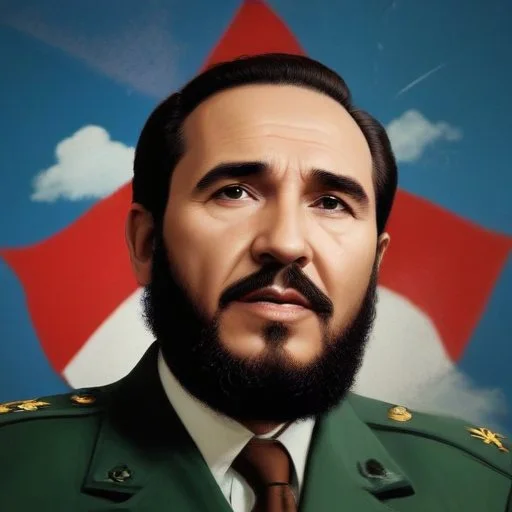
In-Depth Character Profile
Fidel Castro: The Charismatic Leader
Fidel Castro's declaration of 1961 was not only a testament to his ideological convictions but also a demonstration of his charismatic leadership. Born in 1926, Castro was a skilled orator and a passionate advocate for social justice, traits that earned him widespread popularity among the Cuban people.
Castro's ability to inspire and mobilize the masses was instrumental in the success of the Cuban Revolution. His leadership style was marked by a unique blend of authoritarianism and populism, which allowed him to maintain control while also fostering a sense of national unity.
Throughout his life, Castro remained committed to the ideals of socialism and communism, even in the face of intense criticism and opposition. His unwavering dedication to the revolutionary cause earned him both admiration and criticism, cementing his place as one of the most polarizing figures of the 20th century.
Full Geopolitical Analysis
Cuba's Geopolitical Context
In the early 1960s, the global political landscape was marked by the intensifying Cold War rivalry between the United States and the Soviet Union. The Cuban Revolution, which had overthrown the authoritarian regime of Fulgencio Batista in 1959, was seen as a potentially crucial battleground in this ideological struggle.
The United States, which had long exercised significant influence over Cuban politics and economy, was deeply concerned about the prospect of a communist government in the Western Hemisphere. The Soviet Union, on the other hand, saw Cuba as a valuable ally in its efforts to expand its global influence.
In this context, Castro's declaration of 1961 was a bold move that challenged the regional status quo and drew Cuba closer to the Soviet Union. The ensuing trade embargo and diplomatic tensions with the United States would have far-reaching consequences for Cuban-American relations and regional politics.
Full Ideological Impact Analysis
The Philosophical Underpinnings of Castro's Communism
Fidel Castro's declaration of 1961 was rooted in a deep commitment to Marxist-Leninist ideology, which emphasized the role of the working class in leading the revolution and the need for a socialist state to facilitate the transition to communism.
Castro's adoption of communism was also influenced by his admiration for the works of Vladimir Lenin, particularly his concept of the "vanguard party." This idea posited that a small, disciplined group of revolutionaries could lead the masses towards socialist revolution, bypassing the need for gradual, democratic reforms.
Castro's communism was further shaped by his own experiences as a revolutionary leader, including his involvement in the Cuban Revolution and his observations of the Soviet Union's socialist experiments. His ideology was marked by a strong emphasis on social justice, equality, and national sovereignty.

Economic Influence Report
The Economic Consequences of Castro's Declaration
Fidel Castro's declaration of 1961 had far-reaching economic consequences for Cuba, both domestically and internationally. The nationalization of American-owned properties and assets led to a deterioration in relations with the United States, which responded with a trade embargo that would last for over five decades.
The embargo had a significant impact on Cuba's economy, limiting its access to foreign capital, technology, and markets. The country was forced to rely more heavily on the Soviet Union, which provided significant economic and military aid.
Despite these challenges, Cuba made significant strides in social welfare and infrastructure development, including improvements in healthcare, literacy, and education. However, the economy remained heavily dependent on socialist bloc aid and exports, leaving it vulnerable to external shocks.
Examination of Cultural Influence
The Cultural Impact of Castro's Revolution
Fidel Castro's declaration of 1961 had a profound impact on Cuban culture, as the new socialist government actively promoted socialist and revolutionary ideals through art, literature, and music.
The government's emphasis on social welfare and education led to a flourishing of cultural activities, including the establishment of new schools, libraries, and cultural institutions. Music, dance, and visual arts were encouraged, with a focus on promoting socialist and revolutionary themes.
Castro's revolution also had a significant impact on Cuban identity, fostering a sense of national pride and revolutionary history. The government actively promoted symbols of the revolution, including the iconic image of Che Guevara, to create a sense of shared purpose and unity among the Cuban people.


