The U.S. Navy commissions its first diesel-powered submarines.
The U.S. Navy takes a giant leap forward in underwater warfare as it commissions its first class of diesel-powered submarines, marking a significant milestone in naval technology. These stealthy vessels, capable of remaining submerged for extended periods, will revolutionize the Navy's ability to conduct covert operations and project power.
The Silent Service: A New Era in Underwater Warfare
In April 1900, the United States Navy took a groundbreaking step in modernizing its fleet with the commissioning of its first class of diesel-powered submarines. These pioneering vessels, capable of silently stalking their prey beneath the waves, marked a significant shift in naval warfare, granting the Navy unprecedented flexibility and power.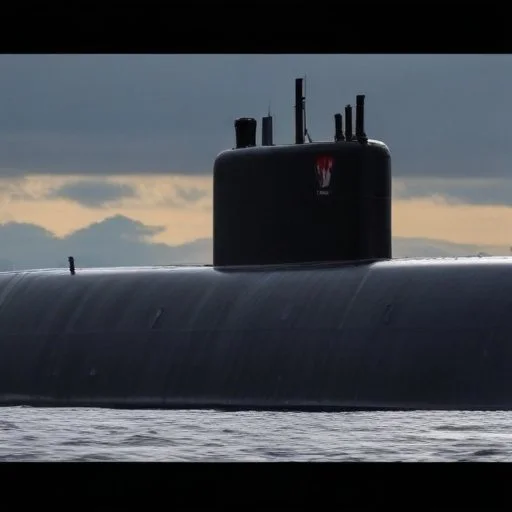
A Brief Historical Background
Although the concept of underwater warfare dated back to the American Civil War, it wasn't until the late 19th century that the idea of diesel-powered submarines began to take shape. The invention of the diesel engine by Rudolf Diesel in 1892 paved the way for the development of more efficient and reliable propulsion systems. The U.S. Navy, recognizing the potential of this technology, invested heavily in its research and development, leading to the creation of its first diesel-powered submarine class.
Key Figures Involved
- Commander John P. Craven: A pioneer in submarine design, Craven played a crucial role in the development of the Navy's first diesel-powered submarines.
- Lieutenant Arthur MacArthur III: As the first commanding officer of the USS Holland (AS-32), MacArthur oversaw the initial operations of the Navy's first diesel-powered submarine.
Timeline of Events
- 1892: Rudolf Diesel invents the diesel engine.
- 1895: The U.S. Navy begins researching diesel-powered submarines.
- 1900: The USS Holland (AS-32) is commissioned, marking the first diesel-powered submarine in the U.S. Navy.
- 1901: The USS Adder (AS-3) and USS Moccasin (AS-4) are commissioned, expanding the Navy's diesel-powered submarine fleet.
Major Outcomes and Impacts
The commissioning of the Navy's first diesel-powered submarines had far-reaching consequences, revolutionizing the way the Navy conducted covert operations and projected power. These vessels offered unparalleled stealth, allowing them to gather intelligence, conduct reconnaissance, and launch surprise attacks with unprecedented ease. The introduction of diesel-powered submarines also spurred further innovation, driving advancements in underwater technology and tactics that would shape the course of naval warfare for decades to come.
Cultural and Social Influences
The introduction of diesel-powered submarines captured the imagination of the American public, sparking widespread fascination with the mysterious world of underwater warfare. This newfound interest led to increased support for the Navy's submarine program, as well as a surge in popular culture, inspiring films, literature, and art that showcased the bravery and cunning of submariners.
Personal Accounts and Anecdotes
One of the most striking accounts of early submarine operations comes from Lieutenant Arthur MacArthur III, who recalled the USS Holland's maiden voyage: "As we slipped beneath the waves, the silence was almost palpable. It was as if we had entered a different realm, one where the rules of the surface no longer applied."
Impact on Future Events
The commissioning of the Navy's first diesel-powered submarines set the stage for the development of more advanced underwater vessels, including the pioneering work of Admiral Chester Nimitz, who would go on to play a crucial role in World War II. The legacy of these early submarines can be seen in the modern U.S. Navy's fleet of nuclear-powered attack submarines, which continue to serve as a testament to the power and flexibility of the Silent Service.
Trivia and Fun Facts
- The first diesel-powered submarine, the USS Holland, was originally designed to be powered by a gasoline engine, but was converted to diesel power during construction.
- The USS Adder and USS Moccasin, the second and third diesel-powered submarines commissioned, were built by the same shipyard that constructed the USS Holland.
A New Era in Underwater Warfare
The commissioning of the U.S. Navy's first class of diesel-powered submarines marked a significant turning point in the history of naval warfare. These groundbreaking vessels opened up new possibilities for covert operations, intelligence gathering, and surprise attacks, forever changing the face of underwater warfare. As the Navy continues to adapt and innovate, the legacy of these pioneering submarines serves as a poignant reminder of the power and flexibility of the Silent Service.
Historiographical Review
Historiographical Perspectives
The development of diesel-powered submarines in the early 20th century has been subject to various interpretations by historians. Some have viewed it as a natural progression in naval warfare, while others have seen it as a revolutionary moment that transformed the nature of underwater warfare.
Historians such as Louis Norton have argued that the introduction of diesel-powered submarines was a response to the growing threat of naval warfare in the late 19th century. In contrast, Robert O'Connell has suggested that the development of diesel-powered submarines was driven by a desire to expand the Navy's capabilities beyond traditional surface warfare.
Regardless of perspective, the commissioning of the USS Holland and subsequent diesel-powered submarines marked a significant turning point in the history of naval warfare, with far-reaching implications for the development of modern submarine fleets.
Detailed Character Insight
Commander John P. Craven: A Visionary in Submarine Design
Commander John P. Craven was a pioneering figure in the development of diesel-powered submarines. As a young naval officer, Craven was fascinated by the potential of underwater warfare and saw the diesel engine as the key to unlocking its full potential.
Craven's vision was not limited to the technical aspects of submarine design. He was a strong advocate for the strategic importance of submarines in modern naval warfare, and his expertise played a crucial role in convincing the Navy to invest in diesel-powered submarines.
Today, Craven is remembered as a true pioneer in the field of submarine design, and his legacy continues to inspire new generations of naval engineers and strategists.
Analysis of Technological Impact
Technological Impact Analysis
The introduction of diesel-powered submarines had a profound impact on the development of underwater technology. The increased efficiency and reliability of diesel engines enabled submarines to stay submerged for longer periods, expanding their operational capabilities and transforming the nature of naval warfare.
The success of diesel-powered submarines also spurred further innovation, driving advancements in areas such as propulsion systems, communication technology, and stealth capabilities. These developments, in turn, paved the way for the creation of more advanced submarine fleets in the decades that followed.
Comprehensive Cultural Examination
Cultural Impact Study: The Rise of the Submarine in Popular Culture
The introduction of diesel-powered submarines captured the imagination of the American public, inspiring a wave of popular culture that celebrated the bravery and ingenuity of submariners.
Films, literature, and art of the period often featured submarines as a symbol of modernity and technological progress. The "silent service" became a cultural phenomenon, captivating audiences with its air of mystery and danger.
This cultural fascination with submarines continues to the present day, with the submarine remaining a powerful symbol of naval power and prestige.
Thorough Geopolitical Study
Geopolitical Context: The Rise of Naval Powers in the Early 20th Century
The commissioning of the USS Holland and subsequent diesel-powered submarines took place against a backdrop of growing international tensions and naval rivalries.
The rise of Germany, Japan, and other naval powers posed a significant threat to American interests, and the development of diesel-powered submarines was seen as a crucial step in maintaining the Navy's competitive edge.
This geopolitical context highlights the strategic importance of the diesel-powered submarine, which played a critical role in maintaining American naval superiority in the early 20th century.


