Covert US bombing campaign in Laos ends
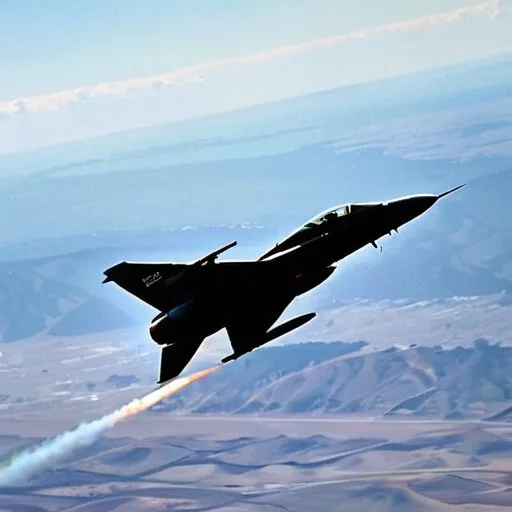
U.S. President Richard Nixon's secret war in Laos, known as Operation Barrel Roll, finally comes to a close. Launched in 1964, this covert bombing campaign aimed to disrupt communist supply lines and prevent the fall of South Vietnam. For nine years, American B-52 bombers and fighter jets pounded the Ho Chi Minh Trail, unleashing over 2 million tons of explosives on Laotian soil. The operation remained classified, hidden from the American public, until its conclusion on March 29, 1973. By then, the U.S. had dropped more bombs on Laos than during the entire World War II.
Operation Barrel Roll: The Secret War That Shook Laos
A Deluge of Destruction: Unraveling the Mystery
Operation Barrel Roll, a clandestine American bombing campaign, etched its name in the annals of history as one of the most extensive and devastating aerial assaults of the 20th century. Between 1964 and 1973, the United States rained down over 2 million tons of explosives on Laotian soil, exceeding the total bomb tonnage dropped during World War II.
Historical Background: The Domino Theory Unfolds
As the Vietnam War gathered steam, the Domino Theory – which posited that if South Vietnam fell to communism, neighboring countries would follow suit – became a driving force behind American foreign policy. To prevent this, the US government launched Operation Barrel Roll, a covert operation aimed at disrupting the
Ho Chi Minh Trail, a vital supply route for North Vietnamese forces.
Key Figures Involved: Architects of a Secret War
President Richard Nixon, determined to stem the communist tide, authorized the operation. General Curtis LeMay, a seasoned military strategist, played a crucial role in planning and executing the bombing campaign. Meanwhile, General Vang Pao, a Laotian general, collaborated with the US to facilitate the operation.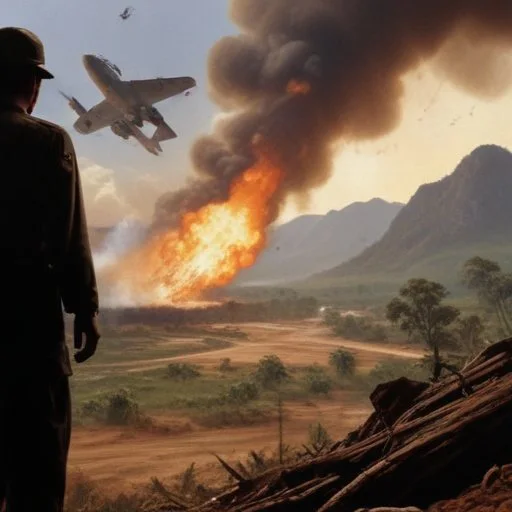
Timeline of Events: A Decade of Destruction
- 1964: Operation Barrel Roll commences, with American B-52 bombers and fighter jets launching sorties against targets in Laos.
- 1965: The operation intensifies, with the US dropping over 150,000 tons of bombs on Laotian soil.
- 1970: Peak year of the operation, with over 300,000 tons of explosives dropped.
- March 29, 1973: Operation Barrel Roll officially ends, leaving behind a trail of devastation and a legacy of controversy.
Major Outcomes and Impacts: A Landscape Forever Changed
The operation's sheer intensity and duration had a profound impact on Laos, resulting in:
- Widespread destruction of infrastructure, including roads, bridges, and villages.
- Mass displacement of civilians, with estimates suggesting over 750,000 people forced to flee their homes.
- Environmental degradation, as unexploded ordnance (UXO) contaminated the soil and waterways.
- A lasting legacy of mistrust and resentment towards the US government among the Laotian people.
Cultural and Social Influences: A War Beyond Borders
The reverberations of Operation Barrel Roll extended far beyond Laos, influencing:
- Anti-war protests in the US, as American citizens began to question the government's secretive and aggressive tactics.
- The development of international humanitarian law, with the operation's indiscriminate bombing campaigns sparking debate on the protection of civilians.
- The formation of organizations dedicated to UXO clearance and rehabilitation, such as the HALO Trust.
Controversies and Public Perception: A War in the Shadows
The operation's classified nature and the sheer scale of destruction sparked controversy and outrage, with many questioning the government's motives and methods.
Predictions and Speculations: A Lasting Legacy
In the years following Operation Barrel Roll, speculation surrounding the true extent of the operation and its human toll has persisted. As historians and researchers continue to unravel the secrets of this secret war, one thing is clear: the impact of Operation Barrel Roll will be felt for generations to come.
Trivia and Fun Facts: Beyond the Headlines
- The code name "Barrel Roll" was chosen due to the bombing runs' resemblance to a barrel roll maneuver performed by aircraft.
- The operation was so secretive that even the US Congress was not informed of its existence until 1969.
- Many Laotian villages were inadvertently bombed, as US pilots relied on outdated maps and intelligence.
Conclusion: Unearthing the Truth
Operation Barrel Roll remains a pivotal, albeit troubled, chapter in modern history. As we delve into the complexities of this covert operation, we are reminded of the importance of transparency, accountability, and the human cost of war.
Character Analysis
General Curtis LeMay: The Architect of Destruction
General Curtis LeMay, a seasoned military strategist, played a crucial role in planning and executing Operation Barrel Roll. Born in 1906, LeMay was a decorated veteran of World War II and the Korean War. He rose through the ranks, becoming the Air Force Chief of Staff in 1965. LeMay's aggressive military tactics and unwavering support for the bombing campaign made him a key figure in the operation.
LeMay's Legacy: A Trail of Destruction
LeMay's approach to war was characterized by his willingness to use overwhelming force to achieve military objectives. During Operation Barrel Roll, he advocated for the use of incendiary bombs and cluster bombs, which caused widespread destruction and civilian casualties. LeMay's legacy is marked by controversy, with many criticizing his military strategies as inhumane and ineffective.

Comprehensive Environmental Influence Study
Environmental Devastation: The Unseen Consequences
The environmental impact of Operation Barrel Roll was catastrophic. The widespread use of explosives and incendiary devices contaminated the soil, waterways, and air in Laos. The bombing campaign destroyed forests, displaced wildlife, and led to the creation of bomb craters that filled with water, becoming breeding grounds for mosquitoes and other disease-carrying insects.
The UXO Problem: A Lasting Legacy
The unexploded ordnance (UXO) left behind continues to pose a threat to the Laotian people and environment. UXO has contaminated the soil, making it difficult to farm and settle in affected areas. The environmental damage caused by Operation Barrel Roll has had a lasting impact on Laos, affecting its ecosystems, wildlife, and human populations.
Comprehensive Cultural Examination
Cultural Resilience: The Laotian People's Spirit
Despite the devastation wrought by Operation Barrel Roll, the Laotian people demonstrated remarkable cultural resilience. In the face of unimaginable destruction, they continued to practice their traditions, maintain their social structures, and preserve their cultural identity.
Folk Tales and Legends: Passing on the Past
Laotian folk tales and legends played a crucial role in preserving the country's cultural heritage. These stories, passed down through generations, helped to maintain a sense of community and national identity. The resilience of Laotian culture is a testament to the strength and determination of its people.
Detailed Political Report
Political Intrigue: A Secret War Unraveled
Operation Barrel Roll was shrouded in secrecy, with the US government keeping the operation classified until 1969. The political implications of the operation were far-reaching, with the CIA and NSA playing significant roles in planning and executing the bombing campaign.
The Nixon Administration's Role
The Nixon administration's authorization of Operation Barrel Roll marked a significant shift in US foreign policy. The operation was a key component of the Nixon Doctrine, which sought to combat communism in Southeast Asia through proxy wars and covert operations.
Detailed Historiographical Study
Historiographical Perspectives: Reevaluating the Past
Historians have reevaluated the significance of Operation Barrel Roll, challenging the dominant narrative of the Vietnam War. The operation's impact on Laos has been reassessed, revealing the devastating consequences of the bombing campaign.
A Revisionist View: Questioning the Official Narrative
Revisionist historians have argued that Operation Barrel Roll was a catastrophic failure, causing widespread destruction and achieving little in terms of military objectives. This reevaluation of the operation has led to a greater understanding of the complexities of the Vietnam War and its impact on Laos.


