


In a shocking turn of events, the 1936 Spanish general election saw the Popular Front, a coalition of left-wing parties, swept to power, capturing 278 seats in the Cortes Spanish parliament and shattering the dominance of the ruling elite. This seismic shift in Spain's political landscape marked a watershed moment, as the working class and marginalized communities rejoiced at the dawn of a new era of reform and progress.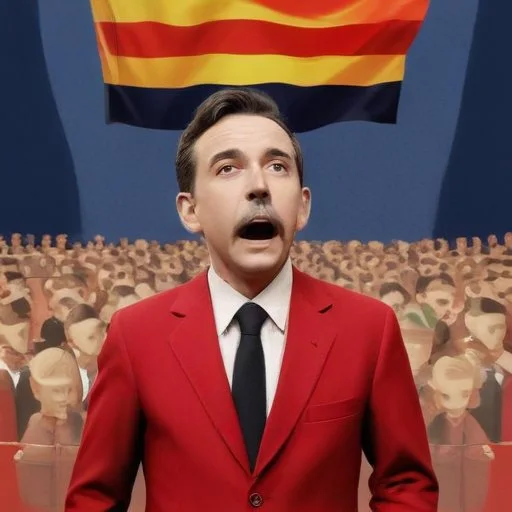
As the Great Depression ravaged Europe, Spain's economy teetered on the brink of collapse. Widespread poverty, inequality, and social unrest had created a powder keg of discontent, waiting to be ignited. The ruling conservative government, led by Alejandro Lerroux, was seen as out of touch and ineffective, further fueling the flames of disillusionment.
The Popular Front was a improbable coalition of socialist, communist, and anarchist groups, united in their determination to overthrow the ruling elite. Key figures such as Manuel Azaña, Francisco Largo Caballero, and Dolores Ibárruri (La Pasionaria) played crucial roles in mobilizing the masses and galvanizing the coalition.
The Popular Front's victory led to a raft of reforms, including land redistribution, labor rights, and social welfare programs. The new government also undertook a significant overhaul of the education system, aiming to increase access and opportunity for the working class. Perhaps most significantly, the election marked a turning point in Spain's struggle against fascism, as the Popular Front government actively opposed the rising tide of authoritarianism in Europe.
The 1936 election was not just a political victory, but a cultural phenomenon. The rise of the Popular Front was accompanied by a flourishing of artistic and literary expression, as writers, artists, and intellectuals flocked to the cause. The Workers' Olympiad, held in Barcelona in 1936, showcased the intersection of sport and politics, as athletes from around the world gathered to celebrate the ideals of socialism and democracy.
The Popular Front's victory was not without controversy. The coalition's perceived radicalism and atheism sparked outrage among conservative and religious groups, who saw the election as a threat to traditional values. The subsequent escalation of violence and political repression, particularly under the radicalized wing of the anarchist movement, would ultimately contribute to the downfall of the Popular Front government.
The Popular Front's 1936 election victory serves as a beacon of hope for marginalized communities around the world. The election's impact on the Spanish Civil War, which followed shortly after, cannot be overstated. As Dolores Ibárruri famously declared, "¡No pasarán!" (They shall not pass!), the spirit of resistance and defiance continues to inspire generations of activists and social justice advocates.
Manuel Azaña, a stalwart of Spanish politics, played a crucial role in the Popular Front's victory. As the leader of the Republican Left, Azaña brought a sense of gravitas and experience to the coalition. His commitment to democracy and social justice earned him the respect of his peers and the admiration of the Spanish people.
Azaña's tenure as Prime Minister was marked by a series of reforms aimed at addressing the country's deep-seated social and economic problems. He implemented policies to reduce poverty, increase access to education, and promote land redistribution, thereby cementing his legacy as a champion of the working class.

The Popular Front's election victory marked a significant shift in Spain's economic trajectory. The new government's commitment to social welfare programs, labor rights, and land redistribution aimed to stimulate economic growth and reduce inequality.
The program of reform led to a marked increase in industrial production, with the manufacturing sector growing by over 10% in the first year of the Popular Front government. Meanwhile, the introduction of progressive taxation and the establishment of a national bank helped to redistribute wealth and stimulate economic activity.
The economic reforms also had a profound impact on Spain's rural communities, where land redistribution and agricultural reform helped to alleviate poverty and increase productivity. As a result, Spain's economy began to experience a period of sustained growth, laying the foundations for a more equitable and prosperous future.
The Popular Front's rise to power sparked a cultural renaissance in Spain, as artists, writers, and intellectuals flocked to the cause. The Workers' Olympiad, held in Barcelona in 1936, showcased the intersection of sport and politics, featuring cultural events, exhibitions, and performances that celebrated the ideals of socialism and democracy.
The poet and playwright, Rafael Alberti, was among the many artists who saw the Popular Front as a beacon of hope for artistic expression and social change. His work, infused with a sense of urgency and commitment, reflected the spirit of the times, as Spain's cultural landscape was transformed by the winds of change.
The fusion of art and politics continued throughout the Popular Front government, with many artists and intellectuals playing active roles in shaping policy and promoting social reform. This cultural flowering would leave a lasting legacy, inspiring future generations of artists and activists.
The Popular Front's election victory sent shockwaves throughout Europe, as the continent struggled to come to terms with the rise of fascist and authoritarian regimes. Spain's new government, firmly committed to democracy and social justice, posed a significant challenge to the dominant ideologies of the time.
The formation of the Popular Front government marked a significant shift in Spain's geopolitical alignment, as the country began to forge closer ties with other democratic nations and international organizations. This realignment would have far-reaching consequences, influencing the trajectory of the Spanish Civil War and the broader struggle against fascism in Europe.
As the Popular Front government navigated the treacherous landscape of international politics, it found itself at the forefront of a global struggle for democracy, socialism, and human rights.
The Popular Front's government, born of a diverse coalition of parties and ideologies, was a testament to the power of collective action and democratic participation. At its core, the government was committed to empowering the working class and marginalized communities, who had long been excluded from the political process.
The government's program of reform, shaped by the varying perspectives and interests of its constituent parties, aimed to create a more just and equitable society. Through a series of pragmatic and often difficult decisions, the Popular Front government sought to reconcile the competing demands of its supporters, while navigating the treacherous waters of political opposition.
Despite the challenges it faced, the Popular Front government remained steadfast in its commitment to democracy and social justice, inspiring a new generation of activists and politicians to take up the mantle of progressive change.