


In May 1972, United States President Richard Nixon embarked on a journey that would etch his name in the annals of history, becoming the first American President to set foot in the Soviet Union. This groundbreaking visit, dubbed the "Moscow Summit," marked a seismic shift in the tense relations between the two Cold War superpowers, heralding a new era of détente and cooperation.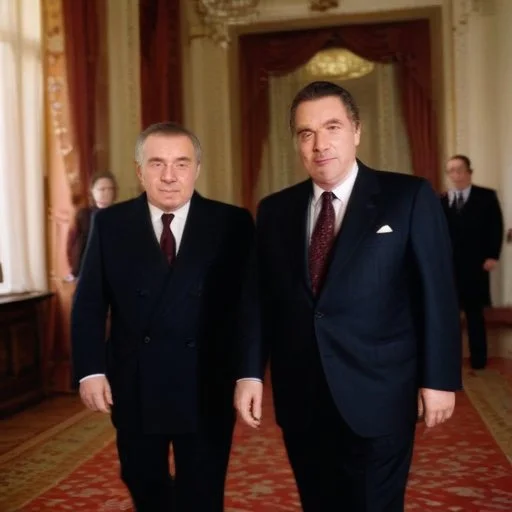
In the years leading up to the summit, the world was rife with tension. The Cuban Missile Crisis, the Berlin Wall, and the Vietnam War had brought the United States and the Soviet Union to the brink of confrontation. Against this backdrop, Nixon and his National Security Adviser, Dr. Henry Kissinger, sought to chart a new course, leveraging diplomacy to ease the escalating tensions.
On May 22, 1972, Nixon arrived in Moscow, where he was greeted by Soviet leader Leonid Brezhnev at Vnukovo Airport. The picturesque pomp and circumstance of the official welcoming ceremony belied the weight of the moment, as the two leaders prepared to tackle the complexities of their nations' fraught relationship.
Over the course of several days, Nixon and Brezhnev engaged in intensive discussions, focused on arms control, diplomacy, and cooperation. The talks were marked by a sense of mutual respect and a willingness to listen, as the two leaders navigated the intricate landscape of their nations' interests. The atmosphere was tense, yet hopeful, as they strove to find common ground.
One of the most significant outcomes of the Moscow Summit was the signing of the Strategic Arms Limitation Talks (SALT) agreement. This landmark treaty, the first of its kind, imposed limits on the development of strategic nuclear weapons, marking a crucial step toward reducing the threat of nuclear war.
The Nixon-Brezhnev summit not only yielded tangible results but also fostered a sense of increased trust and cooperation between the two nations. The visit paved the way for future diplomatic initiatives, including the Apollo-Soyuz Test Project, which saw American and Soviet astronauts collaborate in space.
Richard Nixon's groundbreaking visit to the Soviet Union left an indelible mark on the course of world history. This pioneering effort demonstrated the power of diplomacy in the face of adversity, illuminating a path toward greater understanding and cooperation between nations. As Nixon himself remarked, "The greatest honor history can bestow is the title of peacemaker."
The Nixon-Brezhnev summit serves as a powerful reminder of the transformative potential of diplomacy and cooperation. As the world continues to grapple with complex global challenges, this landmark event inspires us to pursue peaceful solutions, emboldening us to strive for a brighter future.
The Moscow Summit took place during a critical juncture in the Cold War, with the United States and the Soviet Union engaged in a proxy war in Vietnam and a nuclear arms race that threatened global stability. The Nixon administration's decision to engage with the Soviet Union was influenced by the strategic imperative to prevent a nuclear war and to create a more stable international environment.
The Soviet Union, too, was motivated by a desire to reduce tensions and improve its economy, which was struggling under the burden of military spending. The summit offered an opportunity for both nations to pursue their respective interests through diplomacy.

Leonid Brezhnev, the Soviet leader who hosted Nixon in Moscow, was a complex figure whose leadership style was characterized by a mix of pragmatism and conservatism. Brezhnev's commitment to communist ideology was unwavering, yet he was also willing to adapt to changing circumstances and explore new diplomatic avenues.
Brezhnev's personality played a significant role in the success of the summit, as he and Nixon established a rapport that facilitated constructive dialogue. The Soviet leader's ability to balance the competing interests of his own government and the communist bloc was instrumental in securing the SALT agreement.
The Moscow Summit had significant economic implications for both the United States and the Soviet Union. The SALT agreement led to a reduction in military spending, which freed up resources for domestic investment and economic development.
The summit also paved the way for increased trade and economic cooperation between the two nations, including the signing of a bilateral trade agreement in 1973. This marked a significant shift in the economic relationship between the United States and the Soviet Union, as both nations sought to benefit from cooperation.

The Moscow Summit had a profound impact on popular culture, as it symbolized a new era of cooperation and reduced tensions between the United States and the Soviet Union. The event was widely covered in the media, with journalists and photographers capturing the historic moments of Nixon's visit.
The summit also inspired artistic expressions, such as the iconic photograph of Nixon and Brezhnev shaking hands, which became a powerful symbol of détente. The event's cultural significance extended beyond the immediate diplomatic context, as it influenced the broader cultural landscape of the 1970s.
The Moscow Summit was a masterclass in realpolitik, as Nixon and Kissinger skillfully navigated the complexities of Soviet politics to achieve their diplomatic objectives.
The summit demonstrated the effectiveness of Nixon's diplomatic strategy, which emphasized the importance of personal relationships and pragmatic cooperation over ideological differences. The event reinforced Nixon's reputation as a skilled diplomat and statesman, cementing his legacy as a pioneer of détente.