


In a night that would go down in history, the Rock and Roll Hall of Fame welcomed its first members, a group of trailblazing musicians who would forever leave their mark on the music industry. On this momentous occasion, Little Richard, Chuck Berry, James Brown, Ray Charles, Sam Cooke, Fats Domino, The Everly Brothers, Buddy Holly, Jerry Lee Lewis, and Elvis Presley took their rightful place among the legends of rock and roll.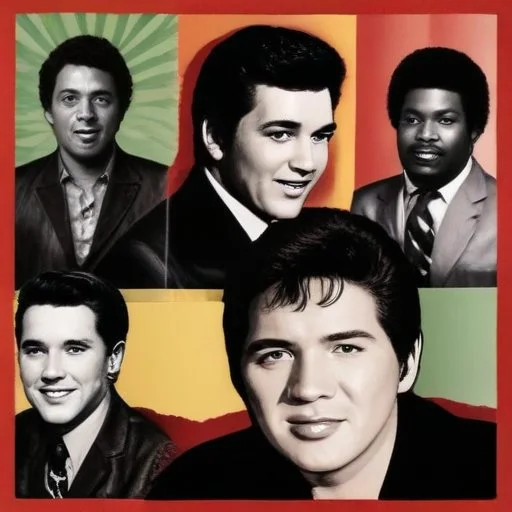
The year was 1986, and the music landscape was about to change forever. The Rock and Roll Hall of Fame, established just a year prior, was ready to induct its first class of honorees. The selection process was rigorous, with a committee of music industry professionals, historians, and artists nominating and voting on the most influential and innovative musicians of the 1950s and 1960s. The result was a list of 16 pioneers who had helped shape the sound, style, and spirit of rock and roll.
The ceremony, held at the Waldorf-Astoria Hotel in New York City, was a star-studded affair, with the likes of Keith Richards, Eric Clapton, and Billy Joel in attendance. As the evening unfolded, each of the inductees took the stage to accept their well-deserved accolades.
These trailblazers not only helped shape the sound of rock and roll but also pushed the boundaries of what was possible in music. They experimented with new styles, experimented with different genres, and challenged social norms. Their contributions paved the way for future generations of musicians, influencing everyone from The Beatles to Bob Dylan, from Aretha Franklin to Bruce Springsteen.
The Rock and Roll Hall of Fame's inaugural induction ceremony set the tone for the institution's mission to preserve and promote rock music's rich history. Today, the Hall of Fame is a testament to the power of rock and roll to inspire, to provoke, and to bring people together. As we look back on that historic night, we are reminded of the enduring legacy of these pioneers, whose music continues to inspire and influence new generations of artists and fans alike.
The Rock and Roll Hall of Fame's inaugural induction ceremony not only celebrated the pioneers of rock and roll but also had a profound impact on popular culture. The event marked a turning point in the music industry, as it recognized the contributions of artists who had been overlooked or underappreciated in the past. The ceremony's focus on the pioneers of rock and roll helped to shift the cultural narrative, acknowledging the genre's roots in African American music and its influence on subsequent genres like punk, new wave, and hip-hop.
The induction ceremony also spawned a new wave of interest in rock and roll history, with many artists and fans seeking out the music of the pioneers and learning more about their stories and contributions. This renewed interest in rock and roll history helped to fuel a cultural revival, with many young artists drawing inspiration from the pioneers and incorporating elements of rock and roll into their own music.

Little Richard: The Architect of Rock and Roll's Flamboyant Style
With his androgynous appearance, flamboyant stage presence, and hits like "Tutti Frutti" and "Good Golly Miss Molly," Little Richard was the epitome of rock and roll's energetic and rebellious spirit. Born Richard Wayne Penniman, Little Richard grew up in Macon, Georgia, and began performing in local bars and clubs as a teenager. His unique blend of gospel, blues, and rhythm and blues styles influenced a generation of musicians, including Elvis Presley, The Beatles, and David Bowie.
The Piano Men: A Comparative Analysis of Ray Charles and Jerry Lee Lewis
While both Ray Charles and Jerry Lee Lewis were pianists and singers, their styles and contributions to rock and roll could not have been more different. Ray Charles' smooth, bluesy voice and genre-bending style, which blended gospel, blues, and jazz, influenced a generation of soul and R&B musicians. Jerry Lee Lewis, on the other hand, was known for his boisterous, piano-pounding style and hits like "Great Balls of Fire" and "Whole Lotta Shakin' Goin' On."
Despite their differences, both Charles and Lewis were instrumental in shaping the sound of rock and roll, and their contributions continue to influence musicians to this day. Their contrasting styles and personalities also reflect the diversity and eclecticism of rock and roll, a genre that has always celebrated individuality and creativity.

The Economic Impact of the Rock and Roll Hall of Fame's Inaugural Induction Ceremony
The Rock and Roll Hall of Fame's inaugural induction ceremony had a significant impact on the music industry's economy. The event generated millions of dollars in revenue from ticket sales, merchandise, and sponsorships, and helped to establish the Hall of Fame as a major cultural institution. The ceremony also boosted the careers of the inductees, many of whom saw an increase in record sales and touring revenue following their induction.
The ceremony also had a positive impact on the local economy of Cleveland, Ohio, where the Hall of Fame is located. The event attracted thousands of visitors to the city, generating revenue for local businesses and hotels. Today, the Rock and Roll Hall of Fame is one of Cleveland's top tourist attractions, generating millions of dollars in revenue each year.
Historiographical Perspectives on the Rock and Roll Hall of Fame's Inaugural Induction Ceremony
The Rock and Roll Hall of Fame's inaugural induction ceremony has been the subject of much historical analysis and interpretation. Some historians have seen the event as a turning point in the recognition of rock and roll as a legitimate art form, while others have criticized the Hall of Fame for its narrow definition of rock and roll and its exclusion of certain artists and genres. Despite these debates, the ceremony remains an important milestone in the history of rock and roll, marking a shift in the way the genre was perceived and celebrated.
Historians have also examined the cultural and social context of the ceremony, which took place during a time of great social change and upheaval. The event reflected the changing values and attitudes of the 1980s, as well as the growing recognition of rock and roll as a cultural force.