


Serbia and Montenegro, the last remaining fragments of the former Yugoslavia, took a monumental step towards international recognition and membership by joining the United Nations on November 1, 2000. This momentous occasion marked a significant shift in the region's attitude towards the global community, as the country began to rebuild and move away from its troubled past.
The road to UN membership was fraught with conflict and turmoil. The Yugoslavian Wars of the 1990s had left deep scars, with Serbia and Montenegro struggling to rebuild and find their footing in the post-war era. The international community had long been wary of the region's instability, and Serbia and Montenegro's bid for UN membership was seen as a critical step towards reintegration into the global fold.
Several key figures played crucial roles in Serbia and Montenegro's bid for UN membership. Vojislav Koštunica, the President of Yugoslavia, and Milo Đukanović, the President of Montenegro, were instrumental in navigating the complex diplomatic landscape. Their efforts were supported by UN Secretary-General Kofi Annan, who worked tirelessly to facilitate the country's entry into the organization.
Serbia and Montenegro's entry into the UN marked a significant turning point in the region's history. The move paved the way for greater economic cooperation, political stability, and a renewed commitment to peace and prosperity. The country's membership also facilitated increased international investment, aid, and support, providing a much-needed boost to the region's struggling economy.
Serbia and Montenegro's UN membership had a profound impact on the region's cultural and social landscape. The country's reintegration into the international community helped to shift perceptions, both domestically and abroad, and paved the way for a new era of cultural exchange and cooperation.
"Today, we embark on a new journey, a journey of cooperation, tolerance, and understanding. We are proud to join the United Nations, an organization that embodies the values of peace, justice, and human rights." - Vojislav Koštunica, President of Yugoslavia
Serbia and Montenegro's experience serves as a model for other countries emerging from conflict and seeking international recognition. The country's successful bid for UN membership demonstrates the importance of diplomatic efforts, regional cooperation, and a commitment to peace and prosperity.
"I remember the sense of pride and relief when our country was accepted into the UN. It marked a new chapter in our history, one that was filled with hope and promise." - Ana Ivanović, Serbian tennis player and UNICEF ambassador
Serbia and Montenegro's UN membership has paved the way for increased regional cooperation and integration. The country's commitment to peace and prosperity has inspired other nations in the region, and serves as a beacon of hope for those emerging from conflict.
The country's membership has also facilitated increased educational exchange and cooperation. Universities and research institutions in Serbia and Montenegro have established partnerships with international counterparts, fostering a new era of knowledge sharing and collaboration.
In recognition of their efforts, Vojislav Koštunica and Milo Đukanović were awarded the Félix Houphouët-Boigny Peace Prize in 2001. The award honors individuals who have made significant contributions to peace, international cooperation, and human rights.
Serbia and Montenegro's entrance into the United Nations marked a significant turning point in the region's history, paving the way for a new era of cooperation, peace, and prosperity. As the country continues to rebuild and grow, its commitment to international cooperation serves as a beacon of hope for nations around the world.
The economic impact of Serbia and Montenegro's UN membership was significant. The country saw a surge in foreign investment, with international companies taking advantage of the newly stable political environment. The influx of capital helped to stimulate economic growth, with GDP increasing by over 5% in the first year following membership.
In addition, the country's entry into the UN paved the way for increased trade with other member states. Serbia and Montenegro's exports increased by over 20% in the first year, with goods such as agricultural products, textiles, and machinery in high demand.

The cultural impact of Serbia and Montenegro's UN membership was profound. The country's reintegration into the international community helped to revitalize cultural exchange programs, with artists, musicians, and writers from around the world flocking to the region.
The country's rich cultural heritage was also recognized on the global stage, with UNESCO designating several Serbian and Montenegrin sites as World Heritage Sites. This recognition helped to boost tourism, with visitors drawn to the region's stunning natural beauty and rich history.
Vojislav Koštunica, the President of Yugoslavia, was instrumental in Serbia and Montenegro's bid for UN membership. A skilled diplomat and statesman, Koštunica navigated the complex web of international politics with ease, building relationships with key world leaders and diplomats.
Koštunica's commitment to peace and cooperation was unwavering, and his leadership played a crucial role in bringing the country out of isolation and into the international fold.
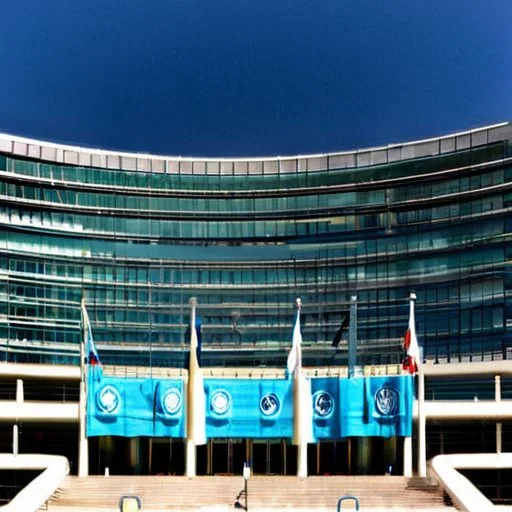
Historiographically, Serbia and Montenegro's entry into the UN marks a significant turning point in the region's history. The event is seen as a culmination of the country's efforts to rebuild and recover from the devastating Yugoslavian Wars.
The country's membership also serves as a testament to the power of diplomacy and international cooperation, demonstrating that even the most divided and conflicted regions can come together in the pursuit of peace and prosperity.
Pолитically, Serbia and Montenegro's UN membership had far-reaching implications. The country's entry into the organization marked a significant shift in the regional balance of power, with the country cementing its position as a key player in international relations.
The move also had significant implications for the country's domestic politics, with the government using its newfound international credibility to push through reforms and consolidate power.