


The Soviet invasion of Afghanistan in 1979 was driven by a perceived threat to Soviet interests in the region. The Soviet Union, eager to spread its communist ideology, saw an opportunity to prop up a Marxist government in Afghanistan and thereby secure a strategic foothold in the region. However, the Soviet strategy was flawed from the outset, underestimating the ferocity of the Afghan resistance and the harsh terrain of the country.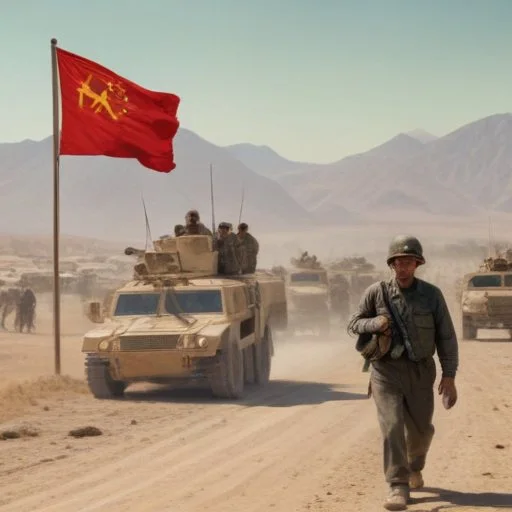
The Soviet withdrawal from Afghanistan was a humiliating defeat for the Soviet Union, exposing the limitations of its military power and dealing a significant blow to its prestige. The war had drained the Soviet economy, with estimates suggesting that the occupation had cost the Soviet Union over $20 billion.
"The Soviet Union has lost its sense of direction, and we are stuck in the Afghan swamp." - Soviet General Boris Gromov, 1987
The Soviet-Afghan War had a profound impact on Afghan culture, with the conflict inspiring a new generation of Afghan writers, poets, and artists. The war also had a significant influence on Soviet culture, with many Soviet citizens questioning the legitimacy of the war and the Soviet system as a whole.
The Soviet withdrawal from Afghanistan marked the beginning of the end of the Soviet Empire. The war had exposed the weaknesses of the Soviet system, and the subsequent collapse of the Soviet Union in 1991 was, in part, a consequence of the Soviet defeat in Afghanistan.
The Soviet-Afghan War serves as a cautionary tale about the dangers of military hubris and the importance of understanding the complexities of local cultures. As the world looks back on this conflict, one can't help but wonder: have we learned from the mistakes of the past, or are we doomed to repeat them?
Ahmad Shah Massoud, also known as the "Lion of Panjshir," was a charismatic and cunning leader who spearheaded the Afghan resistance against the Soviet occupation. Born in 1953 in the Panjshir Valley, Massoud was a member of the Islamist Jamiat-e-Islami party and had received military training in Pakistan.
Leveraging his knowledge of the mountainous terrain and his ability to rally local support, Massoud became a thorn in the side of the Soviet military. He implemented a successful guerrilla warfare strategy, employing ambushes, sabotage, and raids to wear down the Soviet forces.
Massoud's reputation as a hero and a unifying figure grew, earning him the respect of his fellow mujahideen and the fear of his Soviet adversaries. Despite his eventual assassination in 2001, Massoud's legacy continues to inspire Afghans and serves as a testament to the power of resistance against foreign occupation.

The Soviet-Afghan War had a devastating impact on the Afghan economy, with estimates suggesting that the war destruction and infrastructure damage totaled over $20 billion.
The war disrupted the country's agricultural sector, leading to food shortages and widespread poverty. The Soviet occupation also led to the destruction of vital infrastructure, including roads, bridges, and buildings, which further exacerbated the economic crisis.
In addition, the war drained the Soviet Union's economy, with the military campaign costing an estimated $10 billion per year. The Soviet Union's economic burden was further compounded by the loss of revenue from the Afghan natural gas fields, which had been a significant source of income.
The Soviet-Afghan War had a profound impact on Afghan culture, with the conflict inspiring a new generation of Afghan writers, poets, and artists.
Many Afghans used art as a means of expressing their resistance to the Soviet occupation, with popular forms of resistance art including poetry, music, and calligraphy.
The war also led to the emergence of a new Afghan identity, forged in the crucible of resistance and shaped by the country's unique cultural heritage. This identity was characterized by a strong sense of nationalism, a commitment to Islam, and a desire for independence.
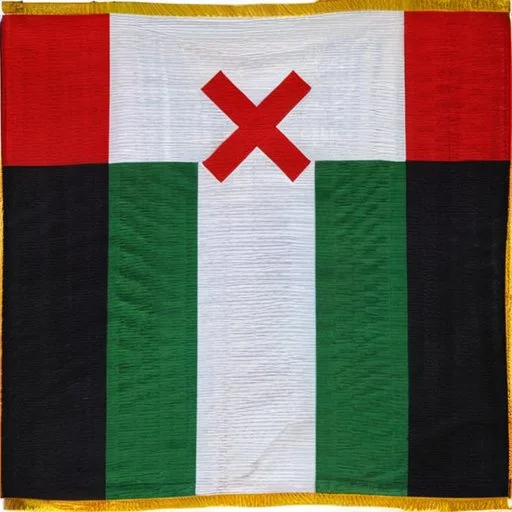
The Soviet-Afghan War was part of a larger regional struggle for power and influence, with the Soviet Union, the United States, and other regional powers vying for control.
The war was also influenced by the Cold War dynamics, with the Soviet Union seeking to expand its sphere of influence and the United States aiming to contain Soviet expansion.
The war had significant implications for regional stability, with the conflict spilling over into neighboring countries such as Pakistan and Iran.
Historians have reinterpreted the Soviet-Afghan War as a key moment in the Cold War, with the conflict marking a turning point in the Soviet Union's decline.
New archival evidence has revealed the extent of the Soviet Union's miscalculations and the flawed assumptions that underpinned its invasion of Afghanistan.
Revisionist historians have also highlighted the role of the mujahideen as a complex and heterogeneous group, driven by a mix of ideological, religious, and nationalist motivations.