


The United Kingdom's referendum on European Union membership, held on June 23, 2016, will forever be etched in history as a seismic event that reshaped the country's trajectory. By a narrow margin of 52% to 48%, British citizens voted to leave the European Union, marking a paradigm shift in the nation's economic, political, and cultural identity.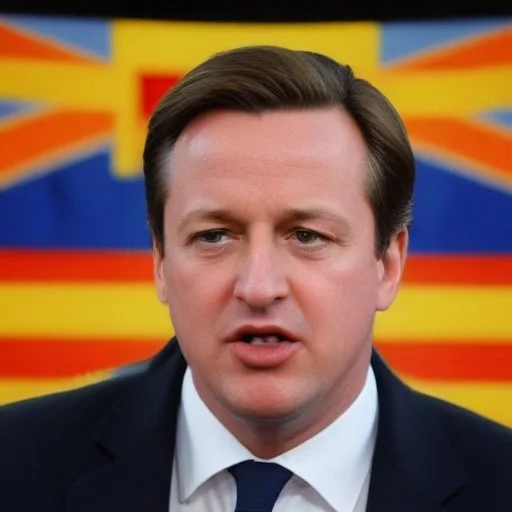
The seeds of the Brexit movement were sown in the early 1970s, when the United Kingdom first joined the European Economic Community (EEC), the precursor to the European Union. As the EEC evolved into the EU, concerns about sovereignty, immigration, and economic integration grew among certain segments of the British population. The Eurosceptic movement, which advocated for the UK's withdrawal from the EU, gained momentum in the 1990s and 2000s, eventually coalescing into a strong anti-EU sentiment.
The Brexit campaign was spearheaded by charismatic leaders such as Boris Johnson, the former Mayor of London, and Nigel Farage, the leader of the UK Independence Party (UKIP). Their persuasive oratory skills and passionate advocacy for nationalism and sovereignty helped galvanize the Leave campaign. On the Remain side, Prime Minister David Cameron championed the economic benefits of EU membership, warning of the risks of leaving the single market.
The Brexit vote had far-reaching consequences, both domestically and globally. The fallout included:
The Brexit vote exposed deep-seated divisions within British society, highlighting concerns about immigration, national identity, and economic inequality. The Leave campaign's emphasis on sovereignty and border control resonated with many voters, while others saw the EU as a vital component of the UK's cultural and economic landscape.
The Brexit campaign was marked by controversy and misinformation, with both sides accused of manipulating facts and statistics. The Leave campaign's assertion that the UK would save £350 million per week by leaving the EU was widely disputed, while the Remain camp faced criticism for its perceived scaremongering.
For many Britons, the Brexit vote was a deeply personal and emotional experience. Some Leave voters felt a sense of pride and national identity, while Remain supporters were left feeling disenfranchised and concerned for the country's future. As one voter confided, "I voted Leave because I wanted to take back control of our country's destiny. I didn't realize it would be so complicated."
The Brexit vote has set in motion a chain of events that will continue to unfold in the coming years. The UK's withdrawal from the EU will have far-reaching implications for trade agreements, immigration policies, and global relationships. As the world watches, the United Kingdom embarks on an uncharted path, one that will redefine its role in the global community.
Did you know that:
In conclusion, the United Kingdom's vote to leave the European Union marked a pivotal moment in the nation's history, one that will continue to shape its identity, economy, and relationships for generations to come.
The Historiographical Significance of Brexit
The Brexit referendum has sparked a flurry of debates among historians, with some arguing that it marks a turning point in the UK's relationship with Europe, while others see it as a symptom of deeper structural issues. For some, Brexit represents a rupture with the post-war consensus, ushering in a new era of nationalism and protectionism. Others contend that it is a predictable consequence of the UK's ambivalence towards European integration.
Historians have also been quick to point out the parallels between Brexit and other pivotal moments in British history, such as the 1931 crisis over the gold standard or the 1961 application to join the EEC. By situating Brexit within a broader historical context, scholars can better understand the long-term implications of this seismic event.
The Cultural Fallout of Brexit
The Brexit vote has had far-reaching consequences for British culture, with many artists, writers, and musicians expressing concerns about the impact on creative industries. The free movement of people and goods has long been a cornerstone of the UK's cultural scene, and the uncertainty surrounding Brexit has sparked fears of a "brain drain" of talented individuals.
In the aftermath of the referendum, there has been a surge in creative works exploring the themes of identity, belonging, and nationhood. From plays like The Jungle to novels like The End of Eddy, Brexit has become a cultural touchstone, reflecting and shaping the national mood.
The Economic Consequences of Brexit
The Brexit vote has sent shockwaves through the global economy, with the pound plummeting to a 31-year low and the FTSE 100 experiencing its biggest one-day fall. While some economists argue that the UK's economy will ultimately adapt to the new reality, others predict a prolonged period of uncertainty and stagnation.
The impact on trade has been a particular concern, with the UK's departure from the single market threatening to disrupt supply chains and trade agreements. As the UK navigates its new relationship with the EU, the economic stakes could not be higher.

The Political Aftermath of Brexit
The Brexit referendum has reshaped the UK's political landscape, with the Conservative Party grappling with its own divisions and the Labour Party struggling to find its voice. The vote has also spawned a new wave of populist sentiment, with UKIP and other nationalist parties sensing an opportunity to capitalize on the anti-EU sentiment.
In the midst of this upheaval, the UK's political institutions are facing unprecedented scrutiny, with many calling for a root-and-branch reform of the Westminster system. As the UK navigates its withdrawal from the EU, the political implications of Brexit are only just beginning to unfold.
Brexit in a Global Context
The Brexit referendum has sent ripples across the globe, with many countries re-examining their own relationships with the EU. The vote has been seen as a harbinger of a new era of nationalism, with populist movements from the US to Europe seizing on the anti-establishment sentiment.
In the aftermath of the referendum, world leaders have been forced to reassess their own trade agreements and diplomatic relationships. As the UK charts its new course, the global implications of Brexit will continue to reverberate, shaping the course of international relations for years to come.