


In a historic display of cooperation, the United States Senate unanimously ratified the AntiBallistic Missile Treaty on August 3, 1972, marking a pivotal moment in the pursuit of strategic arms control and reduction of nuclear threats. This landmark accord, signed by President Richard Nixon and Soviet leader Leonid Brezhnev three months prior, imposed strict limitations on the deployment of antiballistic missiles, effectively preventing a nuclear arms race.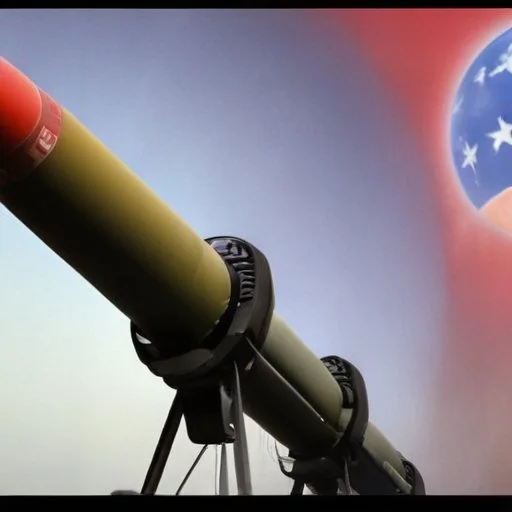
The early 1970s presented a rare opportunity for the United States and the Soviet Union to reexamine their Cold War rivalry and engage in meaningful diplomatic efforts. The treaty's ratification was a direct result of this window of opportunity, made possible by a combination of geopolitical factors and visionary leadership.
In the late 1960s, both the United States and the Soviet Union had begun to develop antiballistic missile systems, sparking concerns about a potential nuclear arms race. The costs of such an arms race, both financially and in terms of global stability, were deemed unsustainable by both nations. The treaty's ratification ensured that neither country would pursue large-scale antiballistic missile development, thereby reducing the risk of nuclear war.
Two visionary leaders, President Richard Nixon and Soviet leader Leonid Brezhnev, played crucial roles in the treaty's negotiation and ratification. Their willingness to engage in diplomatic efforts, despite intense political pressures, paved the way for this groundbreaking agreement.
Henry Kissinger, Nixon's National Security Adviser, played a crucial role in negotiating the treaty. His diplomatic prowess and understanding of Soviet politics enabled him to navigate the complexities of international diplomacy, ultimately securing the treaty's ratification.
The AntiBallistic Missile Treaty marked a significant shift in the trajectory of the Cold War, ushering in a period of détente between the United States and the Soviet Union. This treaty served as a catalyst for future disarmament talks, including the Strategic Arms Limitation Talks (SALT) and the Intermediate-Range Nuclear Forces Treaty (INF).
The treaty's ratification resonated deeply with the American public, who had grown increasingly wary of the nuclear threat. This accord symbolized a renewed commitment to international cooperation and peace, underscoring the power of diplomacy in shaping global affairs.
The AntiBallistic Missile Treaty's impact extended far beyond the realm of arms control, influencing the broader landscape of international relations. This treaty demonstrated that even the most entrenched adversaries could find common ground and work towards a shared goal of peace and stability.
The treaty's ratification raised hopes for future disarmament agreements, sparking speculation about the potential for further reductions in nuclear arsenals. This optimism was tempered, however, by the knowledge that the road to total nuclear disarmament would be long and arduous.
The United States Senate's unanimous ratification of the AntiBallistic Missile Treaty was a testament to the power of diplomacy and cooperation in the pursuit of peace. This landmark agreement served as a beacon of hope, illuminating a path towards a more stable and secure world.
Historians have long debated the significance of the Anti-Ballistic Missile Treaty in the broader context of the Cold War. Some have argued that the treaty marked a critical turning point in the rivalry between the United States and the Soviet Union, facilitating a shift towards détente and paving the way for future arms control agreements.
Others have contended that the treaty was merely a tactical maneuver, allowing both superpowers to redirect their resources towards more pressing military priorities. This latter interpretation is supported by the fact that both nations continued to develop and deploy nuclear weapons systems throughout the 1970s and 1980s.
More recently, historians have begun to reexamine the Anti-Ballistic Missile Treaty through the lens of international relations theory. From this perspective, the treaty can be seen as a classic example of cooperation under anarchy, wherein two rival states were able to find common ground and negotiate a mutually beneficial agreement despite the lack of a centralized authority.

Henry Kissinger: The Man Behind the Diplomacy
As National Security Adviser to President Nixon, Henry Kissinger played a crucial role in negotiating the Anti-Ballistic Missile Treaty. Born in Germany in 1923, Kissinger fled the Nazi regime with his family in the 1930s and went on to study at Harvard University.
Kissinger's diplomatic prowess was shaped by his experiences as a soldier in World War II, where he served as a German interpreter and later as a civilian administrator in occupied Germany. These experiences instilled in him a deep understanding of the complexities of international relations and the importance of diplomacy in preventing conflict.
The Anti-Ballistic Missile Treaty had a profound impact on American culture, symbolizing a renewed commitment to international cooperation and peace. The treaty's ratification coincided with a growing anti-war movement in the United States, as protests against the Vietnam War reached a fever pitch.
The treaty also resonated with the emerging environmental movement, which saw the proliferation of nuclear weapons as a threat not only to human life but also to the planet itself. The treaty's emphasis on arms control and disarmament was seen as a critical step towards a more sustainable future.

The Anti-Ballistic Missile Treaty was negotiated against the backdrop of a rapidly shifting global landscape. The Soviet Union's invasion of Czechoslovakia in 1968 had led to a deterioration in East-West relations, while the United States was increasingly embroiled in the quagmire of the Vietnam War.
In this context, the treaty represented a rare opportunity for the two superpowers to find common ground and reduce the risk of nuclear conflict. The treaty's success was facilitated by a combination of geopolitical factors, including the Soviet Union's growing economic woes and the United States' desire to extricate itself from Vietnam.
The Anti-Ballistic Missile Treaty marked a significant departure from the established Cold War paradigm, wherein the United States and the Soviet Union had long engaged in a ruthless game of nuclear one-upmanship.
The treaty's ratification was facilitated by a new breed of politicians, including President Nixon and Soviet leader Leonid Brezhnev, who were willing to challenge the entrenched interests of their respective military-industrial complexes.
By doing so, the treaty paved the way for a more pragmatic approach to international relations, one that emphasized the importance of diplomacy and cooperation over ideological rigidity.