


On October 18, 1898, the Treaty of Paris marked the end of the Spanish-American War, and with it, the beginning of a new chapter in the history of Puerto Rico. As Spain ceded the island to the United States, Puerto Rico embarked on a journey of transformation, marked by cultural, economic, and political shifts that would shape its identity for generations to come.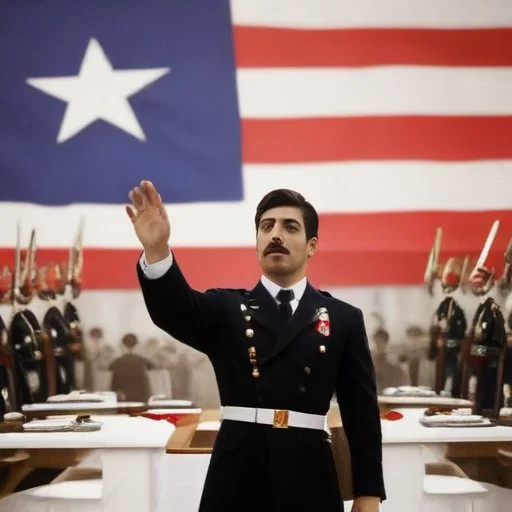
Puerto Rico's rich cultural heritage is a testament to its complex history, marked by the blending of indigenous, Spanish, African, and American influences. Since Christopher Columbus's arrival in 1493, the island had been a Spanish colony, with the Spanish Crown exerting control over its people, economy, and politics. However, as the 19th century drew to a close, the winds of change began to blow, and the United States, emerging as a global power, had its sights set on the strategically located island.
The United States' takeover of Puerto Rico had far-reaching consequences, shaping the island's politics, economy, and culture.
As American and Puerto Rican cultures intersected, a vibrant tapestry of traditions, customs, and practices emerged.
The United States' takeover of Puerto Rico remains a topic of debate, with some viewing it as a necessary step towards modernization, while others see it as a continuation of colonialism.
As Puerto Rico looks to the future, its complex history serves as a reminder of the power of resilience, adaptation, and cultural fusion.
"Puerto Rico's story is one of hope, of struggle, and of the human spirit's capacity to overcome adversity. It is a testament to the fact that even in the darkest of times, there is always a way forward, always a chance to forge a new path." – Luis Muñoz Marín, Puerto Rican politician and poet
As we reflect on the United States' taking possession of Puerto Rico, we are reminded that the island's story is far from over. It is a tale still being written, with each new chapter revealing the complexities, challenges, and opportunities that come with being a crossroads of cultures.
Eugenio María de Hostos: The Puerto Rican Patriot
Eugenio María de Hostos was a prominent Puerto Rican educator, writer, and independence leader who played a crucial role in the island's struggle for self-governance.
Born in 1839, Hostos was raised in a family that valued education and social justice. He went on to study law and philosophy in Spain, where he became acquainted with prominent liberal thinkers and developed his own ideas about Puerto Rican independence.
Hostos returned to Puerto Rico in 1874 and became a vocal advocate for reform, criticizing the Spanish colonial government's autocratic rule and calling for greater autonomy for the island. He founded several newspapers and journals, using them as platforms to promote his ideas and encourage public debate.
Despite facing censorship and persecution, Hostos continued to push for reform, eventually becoming a leading figure in the Puerto Rican independence movement. His legacy as a champion of social justice and self-determination has endured, inspiring generations of Puerto Ricans to fight for their rights.

The Americanization of Puerto Rican Cuisine
The United States' takeover of Puerto Rico had a profound impact on the island's cuisine, as American ingredients, cooking techniques, and cultural preferences merged with traditional Puerto Rican flavors.
One of the most significant changes was the introduction of new ingredients, such as beef and chicken, which became staples of the Puerto Rican diet. American companies like Heinz and Kellogg's also established a presence on the island, further Americanizing the food landscape.
Traditional Puerto Rican dishes like arroz con gandules and alcapurrias were adapted to incorporate American ingredients, giving rise to new fusion cuisine. The influence of American culture also led to the popularity of new culinary trends, such as the emergence of soda fountains and diners.
Today, Puerto Rican cuisine remains a vibrant fusion of Spanish, African, and American flavors, with dishes like mofongo and empanadas enjoying widespread popularity.
The Geopolitical Context of the Spanish-American War
The Spanish-American War was fought against the backdrop of a rapidly changing global landscape, with European powers vying for influence and the United States emerging as a rising power.
The war marked a significant shift in the balance of power, as the United States demonstrated its military might and established itself as a major player in international affairs.
The war also coincided with the decline of the Spanish Empire, which had long dominated the Americas. As Spain's power waned, the United States saw an opportunity to expand its influence and secure strategic territories.
The Treaty of Paris, which ceded Puerto Rico to the United States, marked a turning point in the island's history, as it became a key player in the emerging global order.
Rethinking the Legacy of the Spanish-American War
Historians have long debated the significance of the Spanish-American War, with some viewing it as a necessary step towards American expansion and others seeing it as an exercise in imperialism.
Recent scholarship has sought to reexamine the war's legacy, highlighting the complex power dynamics and cultural exchange that characterized the period.
By examining the war through the lens of Puerto Rican history, scholars have highlighted the agency and resistance of the island's people, who played a crucial role in shaping the island's destiny.
This revised understanding of the war's legacy offers a more nuanced and multifaceted view of the period, one that acknowledges the complexities of colonialism and the power of human agency.
The Economic Outlook of Puerto Rico in the Late 19th Century
The late 19th century was a period of significant economic transformation for Puerto Rico, as the island transitioned from a colonial economy to a modern, industrialized economy.
The sugar industry, which had long dominated the island's economy, began to decline, while new industries like tobacco and coffee emerged.
The American takeover brought significant investment and infrastructure development, including the construction of roads, bridges, and ports.
However, the island's economic growth was also marked by significant inequality, as American companies and investors reaped the benefits of the island's natural resources, while many Puerto Ricans struggled to make ends meet.