


In 1965, the United States took a decisive step in its involvement in the Vietnam War, deploying an additional 5,000 military advisers to South Vietnam. This move marked a significant escalation, bringing the total number of U.S. forces in Vietnam to 21,000, and forever changing the course of American history.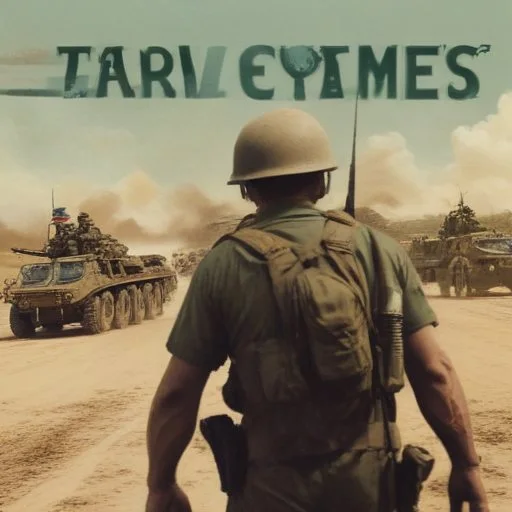
The roots of the Vietnam War can be traced back to the early 20th century, when Vietnam, then a French colony, began its struggle for independence. Following the Second World War, the Viet Minh, a communist-led coalition, declared Vietnam's independence, sparking a violent conflict with French forces. The United States, wary of communist expansion in Southeast Asia, provided financial and military aid to the French, but eventually withdrew its support, paving the way for the Geneva Accords in 1954. These agreements granted Vietnam independence, but also divided the country into North and South, creating a breeding ground for conflict.
In the midst of this tumultuous period, several key figures emerged, shaping the course of the war and American involvement. Among them were:
The deployment of 5,000 additional military advisers in 1965 marked a pivotal moment in the war. Here are some key events that preceded and followed this escalation:
The escalation of American involvement in Vietnam had far-reaching consequences, both domestically and internationally:
The Vietnam War had a profound impact on American culture and society, shaping music, film, and literature for generations to come:
The Vietnam War remains a deeply controversial and divisive topic in American history, with many questions surrounding the war's justification, execution, and legacy:
As the United States continues to reflect on its role in the Vietnam War, one thing is clear: the escalation of American involvement in 1965 marked a turning point in the conflict, forever changing the course of American history.
Ho Chi Minh, the Vietnamese revolutionary and statesman, remains an enigmatic figure in modern history. Born Nguyen Tat Thanh in 1890, Ho Chi Minh was a key player in the fight for Vietnamese independence, leading the country through decades of turmoil and transformation.
Sidebar: Ho Chi Minh's Early Life
Early Influences: Ho Chi Minh's early life was marked by a strong sense of nationalism, instilled by his father, a Confucian scholar. This intellectual foundation would later shape his political ideology and vision for an independent Vietnam.

The Vietnam War was deeply entangled with the complex geopolitics of Southeast Asia. The region, a nexus of competing interests and ideologies, was buffeted by the winds of the Cold War, nationalist movements, and colonial legacies.
The Domino Theory: The fear of communist expansion in Southeast Asia, epitomized by the domino theory, drove U.S. foreign policy in the region. This anxiety was fueled by the fall of China to communism in 1949 and the subsequent spread of communist influence in neighboring countries.
The Vietnam War had a profound impact on American music, reflecting the turmoil and protest that defined the era. From folk to rock, musicians responded to the war with impassioned lyrics and melodies that captured the mood of a generation.
Songs of Protest:
"What's Going On" by Marvin Gaye: Released in 1971, this iconic song was a powerful indictment of the war and its human toll. Gaye's soulful vocals and poignant lyrics continue to resonate with listeners today.

LBJ's presidency was marked by a significant shift in U.S. foreign policy, as he authorized a major escalation of American involvement in Vietnam. This pivotal decision would have far-reaching consequences for the war, the presidency, and American society.
The Gulf of Tonkin Resolution: The 1964 Gulf of Tonkin incident, in which North Vietnamese naval forces allegedly attacked a U.S. Navy destroyer, provided the catalyst for LBJ's escalation. The subsequent passage of the Gulf of Tonkin Resolution granted the president broad authority to conduct military operations in Southeast Asia.
The Vietnam War has been the subject of intense historiographical debate, with scholars continually reevaluating the conflict's causes, conduct, and consequences. This ongoing dialogue reflects the complexity and controversy surrounding the war.
Orthodox and Revisionist Perspectives:
The "Worst War" Thesis: Revisionist historians, such as Gareth Porter, have challenged the dominant narrative of the Vietnam War, arguing that the conflict was unnecessary and unwinnable. This contrarian view emphasizes the war's devastating human toll and the failure of U.S. policy.