


The Wars of the Roses, a pivotal and protracted conflict that ravaged medieval England, reached its climax with the deposition of King Henry VI, a Lancastrian monarch, and the subsequent ascension of his House of York cousin, Edward IV, to the throne. This seismic shift in power, marked by the defeat of the Lancastrian forces at the Battle of Towton in 1461, would have far-reaching consequences for the kingdom and its people.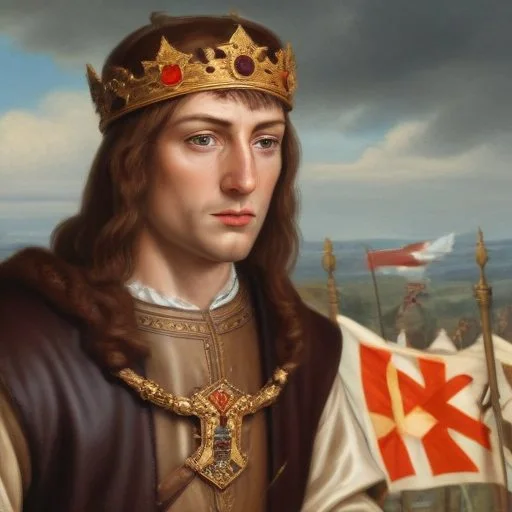
In the midst of the 15th century, medieval England was beset by internal strife and dynastic rivalries. The House of Lancaster, symbolized by the red rose, had held the throne since the reign of King Henry IV, while the House of York, represented by the white rose, had long been scheming to supplant them. The roots of this discord lay in the reign of King Richard II, whose deposition by Henry Bolingbroke (Henry IV) had sparked a bitter fraternal feud between the Lancastrian and Yorkist factions.
At the heart of this dynastic struggle stood three pivotal figures: King Henry VI, Edward IV, and Richard Neville, Earl of Warwick.
The Wars of the Roses unfolded over several decades, with key events including:
The deposition of King Henry VI and the rise of King Edward IV had profound consequences for England:
The Wars of the Roses, and the deposition of King Henry VI in particular, exerted a profound influence on English culture and society:
The deposition of King Henry VI and the rise of King Edward IV remain shrouded in controversy and debate:
Two quotes, attributed to key figures of the Wars of the Roses, capture the essence of this tumultuous period:
The deposition of King Henry VI and the rise of King Edward IV invites comparison with other notable events in English history:
Several personal accounts and anecdotes offer a glimpse into the human experience of the Wars of the Roses:
The deposition of King Henry VI and the rise of King Edward IV had a lasting impact on English history, influencing:
The Wars of the Roses, and the deposition of King Henry VI in particular, remain a pivotal chapter in English history, marked by bloodshed, betrayal, and the rise of a new ruling elite. As we reflect on this turbulent period, we are reminded of the enduring power of human ambition, the fragility of monarchy, and the unpredictable nature of fate and fortune.
Richard Neville, Earl of Warwick, played a crucial role in the Wars of the Roses, earning him the nickname "The Kingmaker." His cunning and strategic alliances catapulted him to the forefront of English politics, making him a powerful figure in the deposition of King Henry VI and the rise of King Edward IV.
Warwick's rise to prominence began in the 1450s, when he became a key advisor to King Henry VI. However, he soon grew disillusioned with the Lancastrian monarch's ineffectiveness and began secretly backing the Yorkist claimant, Edward IV.
Warwick's military prowess and strategic marriages secured crucial alliances for the Yorkist cause. His daughter, Isabel, was married to George, Duke of Clarence, while his other daughter, Anne, was wed to Edward IV, solidifying his influence over the new monarch.

Historians have long debated the significance and implications of King Henry VI's deposition, offering diverse perspectives on the event's causes and consequences.
Some historians, such as Edward Hall, have portrayed King Henry VI as a weak and ineffectual ruler, whose reign was marked by factionalism and disorder. In contrast, others, like Polydore Vergil, have presented a more nuanced view, highlighting the monarch's innocence and naivety in the face of intrigue and betrayal.
More recent historians, like John Gillingham, have emphasized the role of noble factions and the breakdown of chivalric ideals in the lead-up to the deposition. These competing perspectives reflect the ongoing quest to understand the complexities of this pivotal event in English history.
The Wars of the Roses had a profound impact on English literature and art, inspiring works that reflected the turmoil and drama of the period.
Poets like William Dunbar and John Skelton captured the era's tumultuous spirit, composing verse that celebrated the valor of knights and the beauty of noblewomen. Meanwhile, chronicles like The History of King Henry VI by John Blacman provided detailed accounts of the conflict, shaping the historical narrative for generations to come.
In the realm of art, the Wars of the Roses influenced the development of illuminated manuscripts, which often featured intricate illustrations of battles, tournaments, and courtly life. The period's artistic and literary achievements continue to fascinate and inspire audiences today.

The deposition of King Henry VI and the subsequent rise of King Edward IV had significant economic consequences for England, particularly in the realm of trade and commerce.
The Yorkist victory led to a shift in power, as mercantile interests and trade guilds aligned themselves with the new monarch. This led to the promotion of trade and commerce, as Edward IV sought to strengthen England's economy and bolster his authority.
The period also witnessed an increase in taxation, as the Yorkist regime sought to replenish the royal coffers and finance its military campaigns. This had a profound impact on the English population, particularly the peasantry and the laboring classes, who bore the brunt of the increased tax burden.
The Wars of the Roses should be viewed within the broader context of European politics and warfare, as the conflict on the continent influenced the dynamics of the English succession crisis.
The reign of King Henry VI coincided with the Hundred Years' War, which drained England's resources and manpower. Meanwhile, the Duchy of Burgundy, led by Philip the Good, played a key role in English politics, providing financial and military support to the Yorkist cause.
The French monarchy, weakened by internal strife and dynastic rivalries, was unable to effectively intervene in the English conflict, allowing the Yorkist forces to secure crucial victories. This continental context highlights the interconnected nature of European politics and warfare during the 15th century.