


The Battle of Amiens is etched in history as a pivotal moment that reversed the tide of World War I, marking the beginning of a relentless string of Allied victories that would ultimately lead to the defeat of the Central Powers. On August 8, 1918, the British forces, led by Commander Douglas Haig, executed a daring plan to pierce the German front lines, unleashing a barrage of artillery fire that ravaged the enemy's defenses.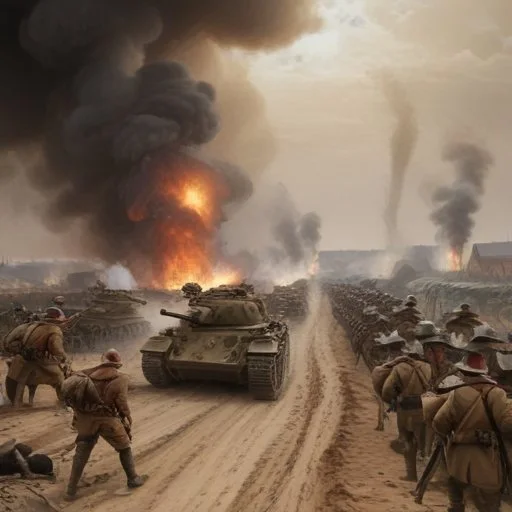
The success of the Battle of Amiens was a testament to the meticulous planning and coordination of the Allied forces. Over 500 tanks, aircraft, and infantry units were mobilized to launch a surprise attack on the German front lines. The assault was preceded by a carefully orchestrated artillery bombardment, which caught the enemy off guard and weakened their defenses. As the Germans stumbled backward, the Allies seized the opportunity to push forward, exploiting the breach in the enemy's lines.
The Battle of Amiens marked the beginning of the Hundred Days Offensive, a series of almost continuous Allied victories that would ultimately bring an end to the war. Over the next three months, the Allies would drive the Germans back, liberating occupied territories and shattering the enemy's morale. The momentum of the Allied advance was unstoppable, and by November 11, 1918, the Armistice of Compiègne would be signed, bringing an end to the hostilities.
| Date | Event |
|---|---|
| August 8, 1918 | Battle of Amiens begins |
| August 11, 1918 | Germans begin to retreat |
| September 2, 1918 | Allies capture the city of Arras |
| November 11, 1918 | Armistice of Compiègne signed |
The Battle of Amiens and the subsequent Hundred Days Offensive had a profound impact on the cultural and social fabric of Europe. The war effort had exhausted the continent, and the Allied victory marked a turning point in the war-weary mood of the population. As the news of the victory spread, it sparked a wave of celebrations and jubilation, marking the beginning of a new era of hope and optimism.
"The whole front was a sight to see, the whole of the German army was on the run... It was a wonderful sight to see." - Lance Corporal Alfred Harris, British Army
"The Battle of Amiens was the turning point of the war... It showed that the Germans could be beaten." - Marshal Ferdinand Foch
The Battle of Amiens and the Hundred Days Offensive marked a significant shift in the balance of power in Europe, paving the way for the Treaty of Versailles and the redrawing of the continent's map. The Allied victory also set the stage for the rise of the United States as a global superpower, marking the beginning of a new era of international relations.
The bravery and sacrifice of the soldiers who fought at the Battle of Amiens were recognized with a range of awards and honors, including the Victoria Cross, the Distinguished Service Order, and the Military Cross.
The Battle of Amiens was a pivotal moment in World War I, marking the beginning of the end of the war and paving the way for the Allied victory. The bravery, sacrifice, and tactical precision of the Allied forces made it possible, and their efforts will be remembered for generations to come.
The Battle of Amiens marked a significant shift in the conduct of modern warfare. The Allies' innovative use of combined arms, where infantry, artillery, and tanks worked in tandem, paved the way for future military strategies. This approach allowed for greater flexibility and maneuverability on the battlefield, making it difficult for the enemy to respond effectively.
The battle also highlighted the importance of air power in modern warfare. The Allies' deployment of aircraft to provide close air support and conduct reconnaissance missions revolutionized the way wars were fought. This development would have a lasting impact on military tactics and strategies in the decades to come.
General Erich Ludendorff was the German general who found himself on the wrong side of history at the Battle of Amiens. Despite his reputation as a brilliant strategist, Ludendorff was caught off guard by the Allied assault, and his response was slow and ineffective.
Ludendorff's failure to adapt to the changing circumstances on the battlefield ultimately led to his downfall. He became increasingly isolated and paranoid, leading to a breakdown in relationships with his fellow officers and superiors. His demise marked the beginning of the end of Germany's war effort.
The Battle of Amiens highlights the stark differences between the Allied and German armies during World War I. While the Allies were able to adapt and innovate, the Germans were stuck in a rigid and outdated mindset.
The Allies' emphasis on combined arms and flexible tactics allowed them to respond effectively to changing circumstances on the battlefield. In contrast, the Germans relied heavily on traditional trench warfare, which proved ineffective against the Allied onslaught.
This contrast in approaches ultimately decided the outcome of the battle, and would have far-reaching consequences for the outcome of the war.
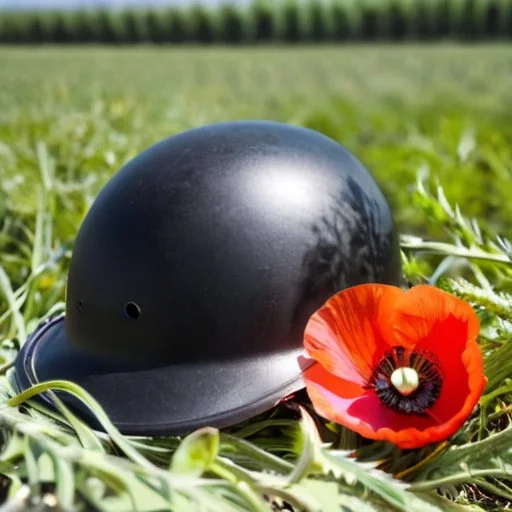
The Battle of Amiens has had a lasting impact on popular culture, inspiring countless works of literature, art, and film. From Ernest Hemingway's A Farewell to Arms to Stanley Coppard's With a Machine Gun to Cambrai, the battle has been immortalized in the annals of literature.
The battle has also been the subject of numerous documentaries, films, and television shows, ensuring that its legacy continues to captivate audiences to this day.
The Battle of Amiens remains a powerful symbol of courage, sacrifice, and triumph over adversity, continuing to inspire and educate new generations.
The introduction of tanks on the battlefield at Amiens revolutionized modern warfare. The Allies' deployment of over 500 tanks enabled them to break through the German lines and exploit the resulting gap.
The impact of tanks on the battle was significant, allowing the Allies to overcome the Germans' defensive positions and regain the initiative. This development marked a turning point in the war, as tanks became an essential component of modern armies.
The development of tanks also led to a re-evaluation of traditional military tactics and strategies, forever changing the face of warfare.