


The Battle of Kursk, fought in the scorching summer of 1943, is etched in history as the largest full-scale battle and the world's largest tank battle, with over 3,000 tanks clashing in the picturesque village of Prokhorovka, Ukraine. This titanic struggle between the Nazi war machine and the Soviet Red Army would decide the fate of Europe and forever alter the course of World War II.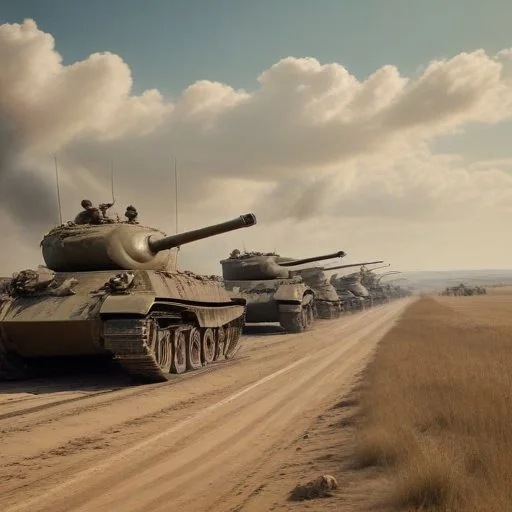
In the months leading up to the battle, the Eastern Front had become a battleground of strategy and deception. The Soviet Union, still reeling from the devastating losses of Operation Barbarossa, had managed to regroup and launch a series of successful counterattacks. Meanwhile, the German Army, bolstered by the arrival of new tank divisions, was determined to crush the Soviet resistance once and for all.
At the helm of the German forces stood General Erich von Manstein, a master strategist with a reputation for cunning and bravery. Opposing him was General Konstantin Rokossovsky, a seasoned veteran of the Soviet Army, known for his unyielding determination and tactical genius. These two titans of war would engage in a chess-like battle of wits, as they orchestrated the movements of their massive armies.
The battle raged on for 50 days, from July 5 to August 23, 1943. The initial German assault, code-named Operation Citadel, was aimed at pinching off the Kursk salient, a bulge in the Soviet lines. The Soviets, however, had anticipated this move and had carefully prepared a series of fortified defenses.
The village of Prokhorovka, situated in the heart of the Kursk salient, became the epicenter of the battle. On July 12, the largest tank battle in history commenced, as over 1,000 tanks clashed in a maelstrom of steel and fire. The Soviets, employing their innovative " Pakfront" tactics, managed to hold off the German onslaught, inflicting crippling losses on the enemy.
The Battle of Kursk marked a decisive turning point in the war on the Eastern Front. The Soviet Union had halted the German advance, and from this moment on, the initiative would remain with the Red Army. The battle also led to a significant shift in the balance of power, as the Soviet Union began to push the Germans back towards their own borders.
The Battle of Kursk has left an indelible mark on popular culture, inspiring numerous films, books, and video games. The battle's significance extends beyond the military realm, serving as a testament to the resilience and bravery of the soldiers who fought and died on both sides.
"The Battle of Kursk was a struggle of titans, where the fate of the world hung in the balance." - General Konstantin Rokossovsky
The Battle of Kursk shares striking similarities with the Battle of El Alamein, fought in North Africa in 1942. Both battles saw the Axis powers clash with the Allies in a series of massive armored engagements, with the outcome hanging precariously in the balance.
A Soviet tank commander, Igor Yurasov, recalled the ferocity of the tank battle: "It was like nothing I had ever seen before. The air was thick with smoke and the ground shook beneath our treads. We fought for hours, until our tanks were nothing more than burning wrecks."
The Battle of Kursk paved the way for the Soviet Union's subsequent advances on the Eastern Front, culminating in the eventual capture of Berlin in 1945. The battle's significance extends beyond the military realm, influencing the course of modern warfare and the development of tank doctrine.
The Battle of Kursk saw the largest concentration of tanks in a single battle, with over 3,000 tanks participating.
The Soviet Union lost over 500 tanks in the initial German assault, but managed to replace them within days, thanks to their impressive industrial output.
General Erich von Manstein, the German commander, was a master strategist who had earned a reputation for his cunning and bravery. Born in 1887, Manstein was a Prussian aristocrat who had served in the German Army during World War I. He rose through the ranks quickly, becoming a prominent figure in the German High Command. Manstein was known for his ability to think outside the box and come up with innovative solutions to complex military problems. Despite his impressive military credentials, Manstein was also a complex figure who was haunted by his own personal demons.
Manstein's counterpart, General Konstantin Rokossovsky, was a seasoned veteran of the Soviet Army. Born in 1896, Rokossovsky was a Polish-born Russian who had served in the Tsarist Army during World War I. He joined the Red Army after the Russian Revolution and quickly rose through the ranks, becoming one of the most respected commanders in the Soviet military. Rokossovsky was known for his unyielding determination and tactical genius, which earned him the respect and admiration of his troops.
The Battle of Kursk marked a significant turning point in the development of tank warfare. The Soviet Union's innovative use of "Pakfront" tactics, which involved deploying anti-tank guns in depth to counter the German armored formations, proved highly effective. This tactic forced the Germans to adapt and respond, leading to a rapid evolution in tank design and tactics on both sides.
The battle also highlighted the importance of combined arms warfare, as both sides learned to integrate infantry, artillery, and air power to achieve decisive results. The extensive use of radio communication and cryptology also played a crucial role in the battle, allowing commanders to coordinate their forces and respond quickly to changing circumstances.
The Battle of Kursk has had a profound impact on popular culture, inspiring numerous films, books, and video games. The battle's epic scope and intensity have captivated audiences around the world, making it a staple of military history.
The battle has also been immortalized in literature, with novels like "The Battle of Kursk" by Lloyd Clark and "Kursk: The Greatest Tank Battle" by Roman Toeppel offering gripping accounts of the battle. The iconic T-34 tank, which played a starring role in the battle, has become a symbol of Soviet resistance and determination.
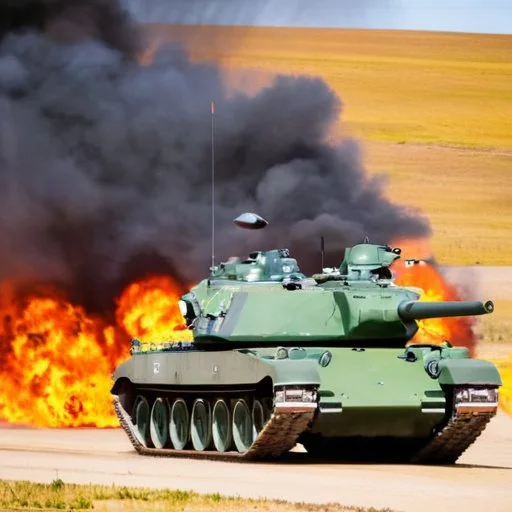
The Battle of Kursk took place against the backdrop of a rapidly shifting geopolitical landscape. The Soviet Union, still reeling from the devastating losses of Operation Barbarossa, was desperate to regain the initiative and push the Germans back.
The battle was also influenced by the broader strategic context of World War II. The Allies were making slow but steady progress in North Africa and Italy, while the Japanese were facing setbacks in the Pacific. The outcome of the battle would have far-reaching implications for the balance of power in Europe and beyond.
The Battle of Kursk has been the subject of intense historiographical debate, with scholars continuing to argue over the battle's significance and meaning.
Some historians have portrayed the battle as a decisive turning point in the war on the Eastern Front, marking a fundamental shift in the balance of power between the Soviet Union and Nazi Germany. Others have argued that the battle was merely a tactical victory, with little strategic significance in the broader context of the war. Despite these debates, the Battle of Kursk remains one of the most enduring and fascinating episodes in military history.