


Known for its bravery in the face of overwhelming odds, Belgium's surrender to Nazi Germany on May 28, 1940, marked the end of the 18-day Battle of Belgium, and the beginning of a long and arduous occupation. This pivotal event in World War II would have far-reaching consequences, not only for the people of Belgium but also for the fate of Europe.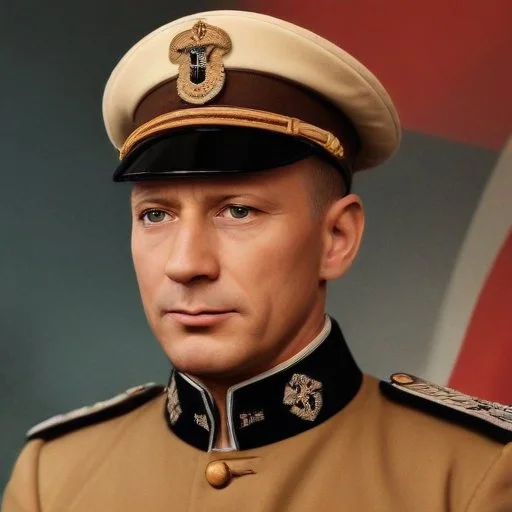
In the months leading up to the invasion, Belgium had declared its neutrality, hoping to avoid the conflict that was raging across Europe. However, as the German army pushed through the Netherlands and into Belgium, it became clear that the country's military was ill-equipped to resist the might of the Nazi war machine.
The German army, led by General Heinz Guderian, launched a blitzkrieg attack on Belgium on May 10, 1940, quickly breaking through the country's defenses. Despite their valiant efforts, the Belgian military was vastly outnumbered and outgunned, and they were forced to retreat to the coast. As the situation grew increasingly dire, King Leopold III of Belgium faced an impossible decision: continue to fight, risking the lives of his soldiers and civilians, or surrender and spare his country from further devastation.
Torn between his duty to his people and the harsh realities of war, King Leopold III grappled with the weight of his decision. His loyalty to his country and his people was unwavering, but he knew that further resistance would only lead to unnecessary bloodshed and destruction. In the end, the King's sense of responsibility to his people prevailed, and he authorized the surrender, effectively ending the Battle of Belgium.
The surrender marked the beginning of a long and difficult period of German occupation, during which the country was forced to endure strict curfews, rationing, and repression. However, the Belgian people refused to give up, and a vibrant resistance movement emerged, determined to disrupt the German war effort and fight for their country's freedom.
Despite the occupation, the people of Belgium found ways to maintain their cultural identity and resist the German authorities. From secret newspapers to underground art movements, the Belgians continued to express themselves, even in the darkest of times. The country's famous chocolate industry also played a role, with chocolatiers using their shops as secret meeting places for the resistance.
The surrender of Belgium had significant consequences for the country and the war effort. The occupation lasted for four years, during which time the country suffered greatly. However, the bravery and resilience of the Belgian people inspired others to resist the German occupation, and their story became a beacon of hope for those fighting against tyranny.
In the end, the surrender of Belgium was a difficult but necessary decision, one that would shape the course of history and inspire generations to come.
As we reflect on this pivotal moment in history, we are reminded of the importance of bravery, loyalty, and the human spirit in the face of adversity. The story of Belgium's surrender is a testament to the power of courage and resilience, and a powerful reminder of the importance of standing up against tyranny and oppression.
King Leopold III of Belgium was a monarch with a strong sense of duty and loyalty to his people. Born on November 3, 1901, Leopold was the eldest son of King Albert I and Queen Elisabeth of Belgium. He ascended to the throne at the age of 33, following the death of his father in 1934. During his reign, Leopold III faced numerous challenges, including the outbreak of World War II.
As the German army advanced into Belgium, King Leopold III was faced with an impossible decision: to surrender or to continue fighting. Despite his strong sense of duty to his people, Leopold knew that further resistance would only lead to unnecessary bloodshed and destruction. His decision to surrender was met with criticism from other Allied leaders, who saw it as an act of betrayal.
In the aftermath of the surrender, King Leopold III was accused of collaborating with the Nazi occupiers, a claim that has been disputed by historians. Despite this, Leopold remained a divisive figure in Belgian politics, and his reputation was tarnished by his decision to surrender.

Belgium's strategic location in Western Europe made it a crucial battleground in the early years of World War II. The country's proximity to the Netherlands, France, and Germany made it an essential ally for the Allied powers.
The German invasion of Belgium was a key part of the Nazi strategy to defeat France and gain control of Western Europe. By occupying Belgium, Germany was able to outflank the Maginot Line, a series of fortifications along the French-German border, and launch a successful attack on France.
Belgium's neutrality was also a significant factor in the country's strategic importance. As a neutral country, Belgium was not bound by the same military alliances as other European nations, making it a key prize for both the Axis and Allied powers.
Despite the occupation, the Belgian people refused to give up their cultural identity. In secret, artists continued to create works that reflected their nation's history and traditions.
The country's famous chocolate industry also played a significant role in preserving Belgian culture. Chocolatiers used their shops as secret meeting places for the resistance, and their products became a symbol of defiance against the German occupiers.
In the aftermath of the war, the preservation of Belgian culture became a symbol of national pride. The country's museums, galleries, and cultural institutions worked tirelessly to restore and promote Belgian art, literature, and music.

Historians have long debated the merits of King Leopold III's decision to surrender. Some have argued that the surrender was a necessary evil, given the overwhelming military superiority of the German army.
Others have seen the surrender as a betrayal of the Allied cause, and a missed opportunity to resist the Nazi occupation. This debate has continued to shape our understanding of the events surrounding the surrender of Belgium.
Recent research has shed new light on the role of the Belgian military in the lead-up to the surrender. Historians have highlighted the bravery and sacrifice of Belgian soldiers, who fought against overwhelming odds to defend their country.
The German occupation of Belgium had a devastating impact on the country's economy. The cost of occupation was estimated to be around 10 billion francs per year, a staggering sum that drained the country's resources.
The occupation also led to a severe shortage of food and supplies, leading to widespread poverty and malnutrition. The country's industrial production was also severely disrupted, with many factories and businesses forced to shut down.
The economic impact of the occupation was felt long after the war ended. The country's economy took years to recover, and the occupation had a lasting impact on Belgium's economic development.