


Singapore, once considered an impenetrable fortress, fell to the Japanese forces in a humiliating defeat, marking a disastrous turning point for the Allies in World War II. The surrender of British General Arthur Percival on February 15, 1942, led to the largest-ever capture of British-led forces, with approximately 80,000 Indian, United Kingdom, and Australian soldiers taken as prisoners of war.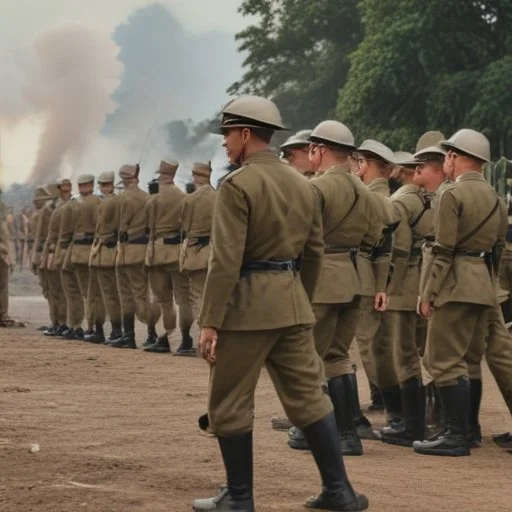
In the early years of World War II, Singapore was a crucial strategic location for the British Empire, serving as a key naval base and a symbol of British power in the Far East. The city-state was thought to be impregnable, with robust defenses and a strong garrison. However, the Japanese, driven by their expansionist ambitions, had other plans.
The fall of Singapore had far-reaching consequences, including:
The fall of Singapore had a profound impact on the cultural and social fabric of the region:
The fall of Singapore remains a contentious issue, with many questioning the British decision to surrender:
The fall of Singapore had significant implications for the course of World War II:
Despite the darkness of the event, there are stories of courage and resilience that inspire us to this day:
The fall of Singapore serves as a poignant reminder of the devastating consequences of war and the importance of preparedness, leadership, and resilience in the face of adversity.
The fall of Singapore was a strategic catastrophe for the British Empire, exposing the vulnerabilities of their colonial defenses in the Far East.
In the years leading up to the war, the British had invested heavily in fortifying Singapore, transforming it into a seemingly impregnable fortress.
However, they failed to anticipate the Japanese military's adaptability and innovative tactics, which ultimately led to the downfall of the city-state.
The loss of Singapore marked a significant shift in the balance of power in the region, as the Japanese empire continued to expand its territories and influence.
The event also underscored the importance of regional alliances and cooperation, as the British were forced to rely on their Australian and American allies to counter the Japanese threat.

General Tomoyuki Yamashita, the Japanese commander who led the attack on Singapore, was a shrewd and experienced military strategist.
Known for his unorthodox tactics and ability to adapt to changing circumstances, Yamashita played a crucial role in the Japanese victory.
Despite his military prowess, Yamashita was also a complex and nuanced figure, who struggled with the moral implications of war and the treatment of prisoners.
His legacy remains a subject of debate among historians, with some hailing him as a brilliant commander, while others condemn his role in perpetuating Japanese militarism.
The fall of Singapore had a profound impact on the cultural identity of the city-state, as the local population was forced to adapt to Japanese occupation.
The occupying forces imposed their own language, customs, and values, which often clashed with the existing cultural norms of the region.
Despite this, the Singaporean people managed to preserve their unique cultural heritage, finding ways to resist and subvert the Japanese occupation through subtle acts of defiance.
The experience had a lasting impact on the city-state's cultural identity, shaping its values and resilience in the face of adversity.

The fall of Singapore had significant economic implications for the British Empire, as it lost a key strategic location and a vital source of revenue.
The Japanese occupation disrupted trade and commerce in the region, leading to widespread economic instability and hardship.
The loss of Singapore also underscored the importance of diversifying trade routes and economic dependencies, as the British were forced to reorient their economic strategies in the face of Japanese dominance.
Historians have long debated the significance of the fall of Singapore, with some viewing it as a turning point in the war, while others see it as a symbol of British imperial decline.
Some historians argue that the British were complacent and overconfident in their defenses,while others point to the Japanese military's adaptability and innovative tactics as key factors in the defeat.
The event has also been subject to various interpretations, with some viewing it as a heroic last stand, while others see it as a humiliating defeat.