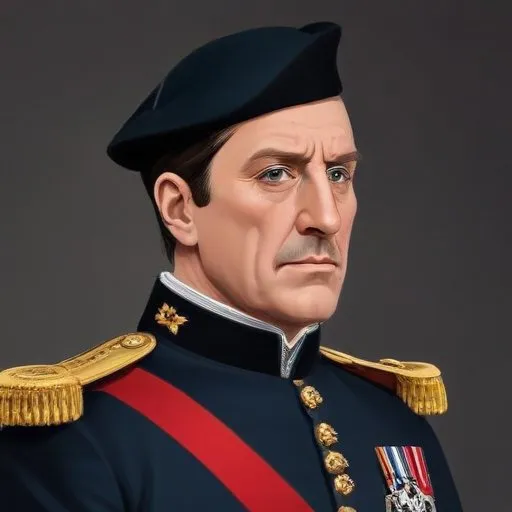
Arthur Percival: The Commander of the Infamous Fall of Singapore
The Defeat that Shook the British Empire
Lieutenant General Arthur Ernest Percival is etched in history as the commander who surrendered British forces to the Imperial Japanese Army, leading to the catastrophic fall of Singapore in 1942. This pivotal event marked the largest capitulation in British military history, sending shockwaves throughout the British Empire and beyond.
Early Life and Education
Born on December 26, 1887, in Aspenden, Hertfordshire, England, Percival was the second son of Alfred Reginald and Edith Percival. His father, a land agent, and mother, from a Lancashire cotton family, instilled in him a strong sense of duty and discipline. Percival's early education took place locally in Bengeo, followed by boarding school at Rugby, where he excelled in sports, particularly cricket and tennis.
Military Career: Rise to Prominence
Percival's military career spanned both World Wars, with notable service in the First World War. He demonstrated exceptional leadership skills, earning the Military Cross for bravery in 1915. Between the wars, Percival continued to rise through the ranks, serving in various capacities, including as a staff officer and instructor at the Staff College.
The Malayan Campaign and the Fall of Singapore
In 1941, Percival was appointed General Officer Commanding (GOC) Malaya, tasked with defending the region against the impending Japanese threat. Despite being outnumbered and outgunned, Percival's forces put up a valiant effort, but ultimately, they were no match for the Japanese army's superior tactics and equipment. The British forces were swiftly pushed back, culminating in the surrender of Singapore on February 15, 1942.
Controversy and Criticism
The fall of Singapore sparked intense debate and criticism, with many questioning Percival's leadership and strategic decisions. Some historians, like Sir John Smyth, argue that underfunding of British Malaya's defenses and the inexperience of Commonwealth forces were the primary causes of the defeat.
Philosophical Contributions and Beliefs
Percival was known for his strong sense of duty and loyalty to his country. He believed in the importance of discipline and morale in maintaining a strong military. His experiences during the Malayan campaign led him to reflect on the importance of adaptability and flexibility in the face of uncertainty.
Personal Milestones and Key Life Events
- 1915: Awarded the Military Cross for bravery during the First World War
- 1941: Appointed General Officer Commanding (GOC) Malaya
- 1942: Surrendered British forces to the Imperial Japanese Army, marking the fall of Singapore
- 1945: Released from Japanese captivity after the end of the Second World War
Legacy and Impact on Modern Society
The fall of Singapore had far-reaching consequences, significantly undermining Britain's prestige and military position in East Asia. Percival's defeat serves as a reminder of the importance of strategic planning, adaptability, and resource allocation in military operations. His legacy continues to influence military doctrine and strategy to this day.
Quotes and Memorable Sayings
- "I am proud to have been a part of the British Army, and I will always remain loyal to my country."
Historical Context and Legacy
Percival's story serves as a testament to the complexities of war and the human cost of military defeat. His experiences offer valuable lessons for military leaders and historians alike, highlighting the importance of preparedness, adaptability, and strategic thinking in the face of uncertainty.
FAQ
What was Arthur Percivals most notable military achievement?
Arthur Percivals most notable military achievement was his role as a commander during World War I, where he earned the Distinguished Service Order for his bravery.
How did Arthur Percivals experiences in World War I influence his views on warfare?
Arthur Percivals experiences in World War I shaped his views on warfare, emphasizing the importance of combined arms warfare and the need for adaptability in modern warfare.
What was Arthur Percivals role in the Battle of Singapore?
Arthur Percival was the commander of British forces during the Battle of Singapore in 1942, where he was forced to surrender to Japanese forces due to overwhelming odds.
How did Arthur Percivals surrender at Singapore affect his reputation?
Arthur Percivals surrender at Singapore was widely criticized, and it damaged his reputation as a military leader, despite his efforts to defend Malaya and Singapore against Japanese aggression.
What legacy does Arthur Percival leave in British military history?
Arthur Percivals legacy in British military history is complex, marked by both his bravery in World War I and his defeat in World War II, serving as a reminder of the challenges of modern warfare.