


Rostov-on-Don, a crucial city on the Don River, was finally freed from the clutches of the German Sixth Army on February 14, 1943, marking a significant milestone in World War II. This hard-won victory for the Soviet Union signaled a dramatic shift in the balance of power on the Eastern Front, as the Red Army began to wrestle back control from the German forces.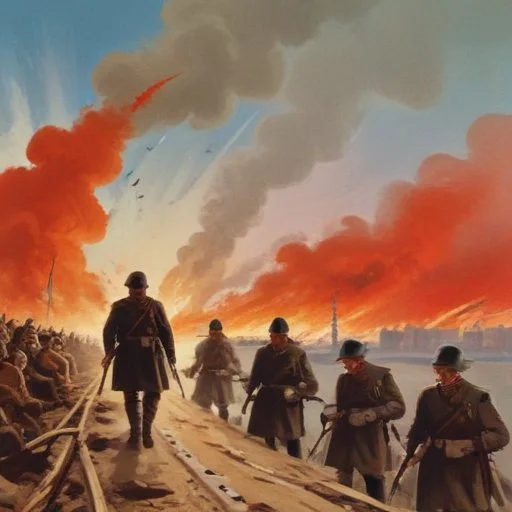
The Battle for Rostov-on-Don was a brutal and pivotal episode in the war, with both sides suffering heavy casualties. The city, often referred to as the "Gateway to the Caucasus," held immense strategic importance due to its proximity to the oil-rich regions of Grozny and Baku. The German army, buoyed by their initial successes, had been pushing deep into southern Russia, but the Red Army was determined to stem the tide.
The liberation of Rostov-on-Don had far-reaching consequences, both militarily and psychologically. The Soviet Union gained a crucial foothold on the Eastern Front, while the German army suffered a crushing defeat, losing valuable men, equipment, and prestige. This turning point marked the beginning of a gradual shift in momentum, as the Red Army began to push the Germans back towards their own borders.
The liberation of Rostov-on-Don was celebrated across the Soviet Union, with parades, rallies, and festivities erupting in cities and towns nationwide. The victory resonated deeply with the Russian people, who saw it as a testament to the strength and resilience of the Soviet Union. The event also inspired a wave of patriotic art, literature, and music, as artists and writers responded to the mood of national pride and liberation.
I remember the day the Red Army marched into Rostov-on-Don like it was yesterday. We had been hiding in the cellar for weeks, listening to the sounds of artillery and gunfire above. When the Soviet soldiers burst in, their faces gaunt and weary, we knew we were finally free. My grandmother wept tears of joy, hugging the soldiers and thanking them for our liberation. It was a moment I will never forget.
— Tatiana Petrova, Rostov-on-Don resident
The liberation of Rostov-on-Don paved the way for the Soviet Union's eventual push into Eastern Europe, culminating in the capture of Berlin and the defeat of Nazi Germany. The event also marked a significant shift in the global balance of power, as the Soviet Union emerged as a major world player.
The bravery and sacrifice of the Soviet soldiers who fought to liberate Rostov-on-Don inspired a generation of Russians to stand up against tyranny and oppression. The event served as a powerful reminder of the importance of perseverance, courage, and solidarity in the face of overwhelming odds.
The liberation of Rostov-on-Don on February 14, 1943, stands as a testament to the bravery and resilience of the Soviet people. This pivotal event in World War II marked a dramatic shift in the balance of power on the Eastern Front, paving the way for the ultimate defeat of Nazi Germany. As we reflect on this momentous occasion, let us remember the sacrifices of those who fought and died for our freedom, and honor their memory by striving for peace and unity in our own time.
The liberation of Rostov-on-Don had a profound impact on the cultural landscape of the Soviet Union. The city, once a symbol of German occupation, was transformed into a beacon of resistance and triumph. The event inspired a new wave of patriotic art, literature, and music, as creatives responded to the mood of national pride and liberation. The poem "Rostov-on-Don" by Mikhail Kulchitsky, written in 1943, became an anthem for the Soviet people, capturing the spirit of defiance and hope.
In the years that followed, Rostov-on-Don became a hub for cultural and artistic expression, attracting some of the most prominent figures of the Soviet cultural scene. The city's museums, galleries, and theaters were rebuilt and revitalized, showcasing the best of Soviet art and culture.
The liberation of Rostov-on-Don also had a significant impact on the city's architectural landscape. The Soviet government invested heavily in rebuilding and restoring the city's historic landmarks, including the Rostov Cathedral and the Palace of Culture.
Historians have long debated the significance of the liberation of Rostov-on-Don in the broader context of World War II. Some have argued that the event marked a turning point in the war, shifting the balance of power in favor of the Soviet Union. Others have seen it as a key moment in the devolution of the German war effort.
Recent historiographical perspectives have highlighted the importance of the liberation of Rostov-on-Don in shaping the Soviet Union's post-war identity. The event was seen as a triumph of Soviet socialism, a demonstration of the regime's ability to mobilize its people and resources in the face of adversity.
Despite these differing interpretations, most historians agree that the liberation of Rostov-on-Don was a pivotal moment in the war, one that had far-reaching consequences for the course of European history.
General Konstantin Rokossovsky, the Soviet commander who led the liberation of Rostov-on-Don, remains an enigmatic figure in the annals of World War II. Born in 1896 in Warsaw, Poland, Rokossovsky rose through the ranks of the Soviet military, earning a reputation as a brilliant and daring commander.
During the battle for Rostov-on-Don, Rokossovsky demonstrated exceptional leadership skills, coordinating the efforts of multiple Soviet army units and orchestrating a series of daring counterattacks against the German forces.
Despite his heroic role in the liberation of Rostov-on-Don, Rokossovsky's post-war career was marked by controversy and intrigue. He was arrested and imprisoned in 1948, accused of treason, and later rehabilitated in the 1950s.
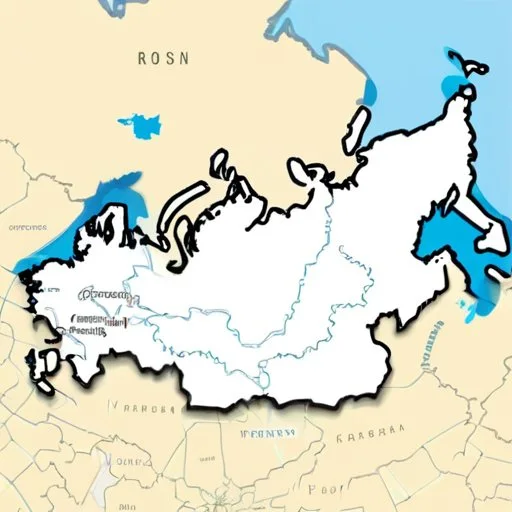
The liberation of Rostov-on-Don was a critical moment in the geopolitics of World War II. The city's strategic location, nestled in the heart of the Soviet Union's southern flank, made it a vital prize for both the Soviet and German armies.
The battle for Rostov-on-Don was part of a broader struggle for control of the Caucasus region, a vital source of oil and natural resources. The Soviet Union's ability to retake the city marked a significant shift in the balance of power, as the Red Army began to push the Germans back towards their own borders.
In the years that followed, Rostov-on-Don would play a key role in the Soviet Union's post-war expansion, serving as a hub for Soviet influence in the Caucasus and beyond.
The liberation of Rostov-on-Don had significant economic implications for the Soviet Union. The city's capture by German forces in 1942 had disrupted critical supply chains and infrastructure, crippling the Soviet war effort.
The Soviet Union's ability to retake Rostov-on-Don in 1943 marked a major turning point in the war, allowing the country to reestablish critical industries and supply lines. The city's oil refineries, steel mills, and transportation networks were rapidly rebuilt, helping to fuel the Soviet Union's war effort.
In the years that followed, Rostov-on-Don would become a major industrial center, driving the Soviet Union's post-war economic growth and development.