


The wedding of Charles, Prince of Wales, and Lady Diana Spencer on July 29, 1981, was a majestic affair that captivated a staggering 750 million viewers worldwide, making it one of the most-watched weddings in history. This royal union was a grand spectacle that brought together royalty, dignitaries, and celebrities from around the globe to witness the marriage of the future King of England and his beautiful bride.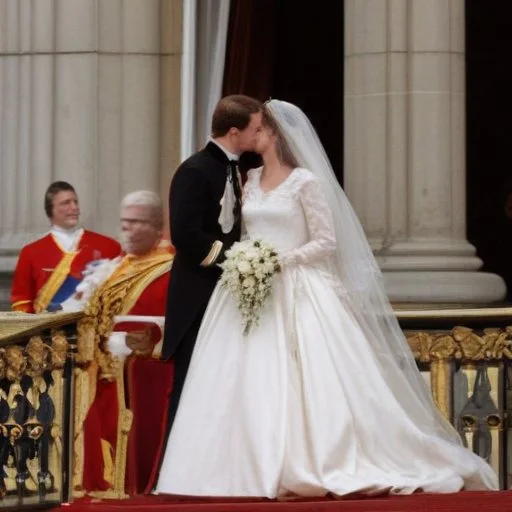
The marriage of Charles and Diana was seen as a union between two noble families, with Charles being the eldest son of Queen Elizabeth II and Diana hailing from the esteemed Spencer family. The couple's courtship was a whirlwind romance, with Charles proposing to Diana just six months after their first meeting. The wedding was touted as a symbol of hope and renewal for the British monarchy, which had faced criticism for being out of touch with modern society.
The wedding took place at St Paul's Cathedral in London, a historic venue that had been chosen for its grandeur and symbolic significance. The ceremony was a traditional Church of England affair, with the Archbishop of Canterbury officiating the proceedings. Diana arrived at the cathedral in a stunning horse-drawn carriage, accompanied by her father, Earl Spencer. The bride's fairytale-like wedding dress, designed by David and Elizabeth Emanuel, was a masterpiece of taffeta and lace, featuring a 25-foot train and a delicate veil.
The guest list was a veritable who's who of royalty, politics, and celebrity. Notable attendees included Queen Elizabeth II, Prince Philip, and other members of the British royal family, as well as dignitaries from around the world, including King Constantine II of Greece and President François Mitterrand of France. Celebrities such as Cary Grant, Elizabeth Taylor, and Liza Minnelli were also in attendance.
The wedding was broadcast live on television, with an estimated 750 million viewers tuning in from around the world. The ceremony was translated into 40 languages and broadcast in over 100 countries, making it a truly global event. In the UK, streets were decorated with bunting and flags, while pubs and homes hosted wedding parties to celebrate the occasion.
The wedding of Charles and Diana had a profound impact on the British monarchy, restoring public interest and enthusiasm for the royal family. The couple's marriage also boosted the UK's tourism industry, with visitors flocking to London to catch a glimpse of the royal newlyweds. Unfortunately, the marriage would later end in divorce, but the wedding remains an iconic moment in history, remembered for its pomp, circumstance, and fairytale romance.
The wedding of Charles and Diana was a once-in-a-lifetime event that captivated the world's attention and remains an iconic moment in royal history.
The royal wedding of Charles and Diana was a masterclass in pageantry and tradition. The ceremony at St Paul's Cathedral was a carefully choreographed affair, with every detail meticulously planned to showcase the grandeur of the British monarchy. From the arrival of the guests to the exchange of vows, the wedding was a celebration of British culture and heritage.
One of the most striking aspects of the wedding was the use of symbolism. The choice of St Paul's Cathedral, with its rich history and architectural grandeur, was significant. The cathedral's high altar, where the couple exchanged their vows, was adorned with intricate carvings and ornate decorations, adding to the sense of occasion.
The wedding was also steeped in tradition, with many customs and rituals dating back centuries. The use of the Sovereign's Sceptre, a symbol of royal authority, was a poignant reminder of the couple's commitment to the Crown.

Lady Diana Spencer, the shy and demure bride, captured the hearts of millions with her fairytale-like wedding dress and her endearing smile. But behind the public persona, Diana was a complex and multifaceted individual, with a rich inner life and a deep sense of compassion.
As the youngest child of the Spencer family, Diana was known for her kindness and empathy, often preferring the company of those in need to the more glamorous world of high society. Her philanthropic work, particularly in the area of AIDS research and support, would become a hallmark of her public life.
In contrast, Charles, Prince of Wales, was the epitome of royal dignity and gravitas. As the heir to the throne, Charles was steeped in tradition and protocol, with a deep sense of duty and responsibility to the monarchy.
The royal wedding of Charles and Diana had a profound impact on British culture, reigniting public enthusiasm for the monarchy and sparking a new era of interest in the royal family.
The wedding also had a significant impact on the fashion world, with Diana's iconic wedding dress becoming a benchmark for bridal wear. The ' Diana Look', characterized by big sleeves, bouffant hair, and a delicate complexion, became a defining feature of 1980s fashion.
In addition, the wedding helped to boost British tourism, with visitors flocking to London to catch a glimpse of the royal newlyweds and experience the city's unique blend of history and pageantry.

The wedding dress, designed by David and Elizabeth Emanuel, was a masterpiece of taffeta and lace, featuring a 25-foot train and a delicate veil. The dress was a closely guarded secret until the day of the wedding, with only a select few privy to its design.
The wedding cake, a magnificent five-tiered extravaganza, was adorned with sugar sculptures of the royal couple and their families. The cake was designed by the Royal Navy's chief chef, David Avery, and took several weeks to complete.
The wedding rings, exchanged during the ceremony, were crafted from Welsh gold, a tradition dating back to 1923. The rings were made by the Crown Jeweller, and featured a delicate inscription on the inside.
The royal wedding of Charles and Diana generated significant revenue for the British economy, with an estimated £25 million injected into the economy through tourism and merchandise sales.
The wedding also boosted the UK's textile industry, with demand for wedding dresses and related accessories soaring in the aftermath of the ceremony.
In addition, the wedding helped to increase sales of British goods abroad, with exports of traditional British products such as tea, biscuits, and tweed experiencing a significant uplift.