


Sweet layers of flaky pastry, honey, and nuts—yes, it's the marvel that is baklava! National Baklava Day is the perfect excuse to indulge in this delightful dessert that tastes like a hug from the inside. Whether you’re a fan of pistachios or walnuts, today you can eat guilt-free as you savor each mouthful of this Mediterranean masterpiece. So grab a fork, or just use your hands—who's judging? Celebrate by sharing a piece with a friend or, let’s be honest, keeping the whole tray for yourself. Baklava: it's bak-LAVA you can sink your teeth into!
 Victor Malone
- (updated: November 10th, 2025 at 7:03AM)
Victor Malone
- (updated: November 10th, 2025 at 7:03AM)
NATIONAL BAKLAVA DAY: A CELEBRATION OF CULTURE, COMMUNITY, AND CRISPY, FLAKY GOODNESS
National Baklava Day is more than just a day to revel in the rich, nutty, and honey-soaked pastry that has tantalized taste buds across the globe for centuries. This day is a vibrant tapestry of cultural celebration, where people unite to share cherished baklava recipes, exchange delightful confections, and bask in the warmth of camaraderie, all over a plate of this sumptuous dessert.
Layers of Tradition
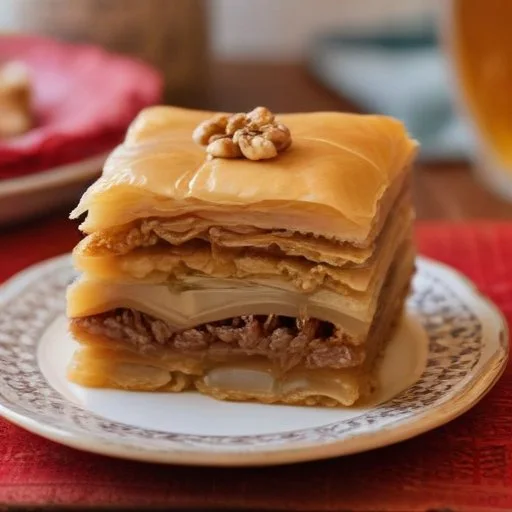
Baklava, a timeless confection, is crafted with meticulous layers of phyllo dough, nuts, and aromatic spices, all bound together with a luscious drizzle of honey or syrup. Each culture, from the phyllo virtuosos of Greece to the sweet aficionados of the Middle East, has imprinted its unique flair upon this delicacy, making baklava a universal emblem of hospitality, generosity, and communal spirit.
Yet, beneath the surface of this delightful celebration, lies a profound significance. National Baklava Day transcends mere indulgence; it embodies the celebration of cultural exchange, the sharing of age-old traditions, and the harmonious gathering of individuals from diverse backgrounds.
Celebrating Cultural Diversity
As we immerse ourselves in the festivities of National Baklava Day, we are reminded of the rich mosaic of cultures that have shaped our shared global heritage. From the intricate patterns of Turkish delight to the ruby allure of Persian sweets, baklava stands as a testament to cultural diversity, showcasing the remarkable ability of food to unite people.
On this National Baklava Day, let's not only raise a plate—or perhaps two or three—to this sugar-dusted pastry that has won our hearts and tantalized our palates, but let us also celebrate the cultural exchange and community building that this day symbolizes. Let us revel in the sweet indulgences that forge connections and strengthen bonds.
A Recipe for Unity
As you savor the crispy, flaky delight of baklava, remember that this sweet treat represents more than just a dessert; it is a potent symbol of unity, cultural exchange, and the enchanting power of food to unite souls. So, embrace the moment, take a bite of baklava, and let its sweet aroma transport you to a realm of community, affection, and joyous celebration!
National Baklava Day may be fleeting, but its essence of community, cultural exchange, and delectable indulgence is a spirit to be cherished not just today, but every single day.
As I stepped into my grandmother's cozy kitchen, the aroma of honey and walnuts enveloped me, transporting me back to a time when life was simpler. It was National Baklava Day, and she was busy preparing her famous recipe, passed down through generations of our family. With every layer of phyllo, she shared stories of love, laughter, and tradition. Today, I'm honored to share her treasured recipe with you, a sweet tribute to the joy of baking and the love of family.
Cook Time: 2 hours
Cooking Method: Baking
Category: Dessert
Cuisine: Middle Eastern
Yield: 12 pieces
Suitable For Diet: Vegetarian
Food Day, October 24, 2024: Learn how to make informed choices about healthy, sustainable, and affordable food systems.more >>
Join us on World Bread Day, October 16, 2024, as we explore the art of bread-making, share favorite recipes, and honor the role bread plays in culturemore >>
National Clam Chowder Day, 2/25/2025: Discover the rich flavors and textures of this beloved soup and get ready for a tasty treat.more >>
National Devil's Food Cake Day, 5/19/2025: Indulge in rich, velvety goodness and unique flavor combinations on this decadent dessert's special day.more >>
National Blueberry Muffin Day, 7/11/2024, indulge in sweet and tangy flavors, homemade muffins, baking tips, and warm aromas.more >>