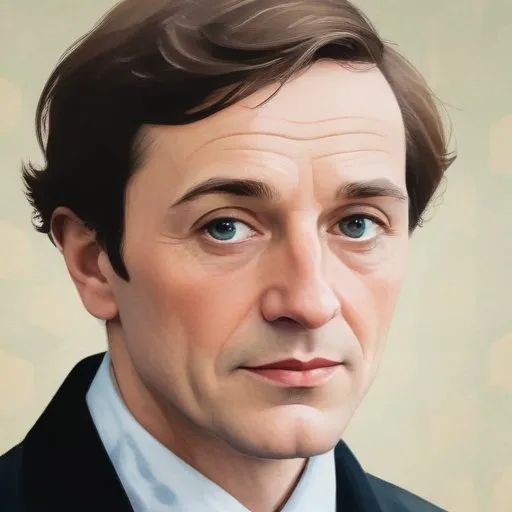
A. E. Coppard: The Unassuming Master of Short Stories
A Life of Poetry and Fiction
A. E. Coppard, born Alfred Edgar Coppard on January 4, 1878, is renowned for his remarkable contributions to English literature, specifically in the realm of short stories and poetry. His works, often described as meticulously crafted and evocative, have captivated readers and critics alike, earning him a permanent place in the pantheon of great literary figures.
Early Life and Influences
Born in Folkestone, Kent, Coppard's childhood was marked by poverty and hardship. With little formal education, he was forced to quit school at the tender age of nine to work as an errand boy in Whitechapel, where he witnessed the infamous Jack the Ripper murders. These difficult circumstances had a profound impact on his writing, instilling in him a deep empathy for the working class and a keen sense of observational detail.
The New Elizabethans and Literary Circle
During the early 1920s, Coppard became part of the New Elizabethans, a literary group that met in Oxford to discuss and analyze Elizabethan drama. It was here that he rubbed shoulders with luminaries like
W. B. Yeats,
Richard Hughes, and Edgell Rickword, forming lasting connections that would shape his writing style and worldview.
Influences and Literary Style
Coppard's writing was heavily influenced by
Thomas Hardy, whose rustic realism and exploration of the human condition resonated deeply with him. His own fiction, characterized by its lyricism, precision, and emotional depth, drew favorable comparisons to H. E. Bates. Coppard's unique voice, which blended the rustic with the fantastical, yielded a distinctive literary style that captivated readers on both sides of the Atlantic.
Politics and Beliefs
Coppard's political leanings were rooted in his early association with the Independent Labour Party. His commitment to social justice and human rights is reflected in his work, which often explores the lives of the working class and the marginalized. In 1937, he publicly endorsed the Republican cause during the Spanish Civil War, demonstrating his unwavering support for progressive values.
Personal Life and Later Years
Coppard married Winifred de Kok, a physician and writer, and they had two children together. His nephew, George Coppard, served with distinction during World War I, and Coppard himself continued to write until his passing on January 13, 1957.
Legacy and Impact
A. E. Coppard's contributions to English literature are immense. His masterful short stories, infused with poetry and nuance, have inspired generations of writers, including giants like
Graham Greene and
Eudora Welty. His work, a testament to his genius and dedication, remains a beacon of literary excellence, continuing to captivate readers and scholars alike.
Major Works
- Adam and Eve and Pinch Me (1921) - a collection of short stories exploring themes of love, morality, and the human condition
- Fearful Pleasures (1923) - a collection of short stories featuring elements of supernatural horror and allegorical fantasy
- Collected Tales (1928) - a comprehensive collection of his short stories, chosen as a selection by the Book of the Month Club
Trivia and Fun Facts
- Coppard listed Abraham Lincoln as the politician he most admired.
- He was known to have a strong dislike for the works of D. H. Lawrence, T. E. Lawrence, and Rudyard Kipling.
- Coppard's fiction was often compared to that of H. E. Bates, with whom he shared a deep affinity for the English countryside and its people.
Conclusion
A. E. Coppard's life and work serve as a testament to the power of perseverance, creativity, and dedication. Through his writing, he has left an indelible mark on English literature, inspiring generations of readers and writers to explore the complexities of the human experience. As we delve into his remarkable stories and poems, we are reminded of the transformative power of art to uplift, to provoke, and to inspire.
FAQ
What was A. E. Coppards contribution to English literature?
A. E. Coppard was a prominent English poet and short story writer, known for his vivid and evocative depictions of rural life and the natural world. His work often explored themes of love, loss, and the human condition, earning him a reputation as one of the most respected writers of his generation.
How did A. E. Coppards experiences as a soldier influence his writing?
A. E. Coppard served in World War I, and his experiences had a lasting impact on his writing. His poetry and short stories often reflected the trauma and upheaval of war, and he was praised for his unflinching portrayals of the human cost of conflict.
What was A. E. Coppards relationship with the Fabian Society?
A. E. Coppard was a member of the Fabian Society, a group of socialists and intellectuals who sought to reform British society through gradual, democratic means. Coppards involvement with the society reflected his commitment to social justice and his belief in the power of literature to effect change.
How did A. E. Coppards writing reflect his love of nature?
A. E. Coppard was a passionate advocate for the beauty and importance of the natural world. His poetry and short stories often celebrated the rhythms and cycles of nature, and he was praised for his ability to evoke the sights, sounds, and smells of the English countryside.
What is the significance of A. E. Coppards Adam and Eve and Pinch Me?
A. E. Coppards short story collection Adam and Eve and Pinch Me is a celebrated work of English literature, known for its vivid and evocative portrayals of rural life and human relationships. The collection explores themes of love, loss, and identity, and is widely regarded as Coppards masterpiece.