


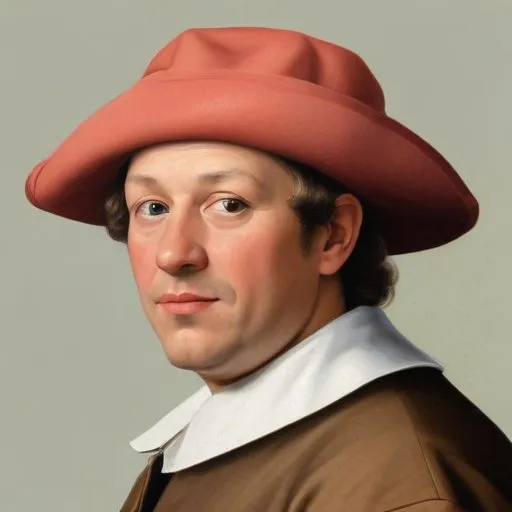
A 17th-century master of Dutch Golden Age painting, capturing serene landscapes and rustic scenes with exceptional light and atmosphere.
Aelbert Cuyp is renowned for his breathtaking landscapes, bathed in the warm, golden light of the Dutch Golden Age. His paintings of riverside scenes, with their majestic skies and serene waters, have captivated art lovers for centuries.
Cuyp was born in 1620 in Dordrecht, Netherlands, into a family of artists. His father, Jacob Gerritszoon Cuyp, was a portraitist and his first teacher. Cuyp's uncle, Benjamin, and grandfather, Gerrit, were stained glass cartoon designers. This rich artistic heritage undoubtedly influenced Cuyp's development as a painter.
Cuyp's artistic style can be divided into three distinct phases, each influenced by prominent painters of the time. His early work was shaped by the landscapes of Jan van Goyen, while his middle period was marked by the dramatic skies and lighting of Peter Paul Rubens. Finally, his later work was characterized by the classical landscapes of Claude Lorrain, earning him the title of the "Dutch equivalent of Claude Lorrain."
Cuyp's masterpieces are his large-scale landscapes, often depicting everyday life along the rivers of the Netherlands. His use of warm, golden light, captured in the early morning or late afternoon, imbues his paintings with a sense of serenity and tranquility. These works, such as The Maas at Dordrecht and The Riverbank, showcase Cuyp's exceptional skill in capturing the play of light on water and his ability to evoke a sense of atmosphere in his scenes.
Little is known about Cuyp's personal life, but it is recorded that he married Cornelia Bosman in 1658 and became the deacon of the Reformed Church the following year. This marked the end of his active period as a painter, with few works attributed to him after 1660.
Cuyp's legacy as a painter has endured for centuries, with his works continuing to inspire and influence artists. His contribution to the Dutch Golden Age, a period of unprecedented cultural and artistic growth in the Netherlands, is immeasurable. Today, his paintings can be found in museums and private collections around the world, a testament to his status as one of the greatest landscape painters of all time.
Cuyp's contemporaries, including Meindert Hobbema and Jacob van Ruisdael, also explored the Dutch landscape in their work. However, Cuyp's unique use of light and his ability to capture the atmosphere of his scenes set him apart from his peers.
Cuyp's dedication to his craft and his ability to find beauty in the everyday world around him serve as a powerful inspiration to artists and art lovers alike. His legacy reminds us of the importance of slowing down, observing, and appreciating the simple things in life.
Born in 1632
A master of capturing intimate, serene domestic scenes, particularly of women, in exquisite detail and soft, luminous light. His works evoke a sense of quiet contemplation and everyday beauty.
Born in 1629
A Dutch master of domestic scenes, capturing intimate moments of everyday life in 17th-century Holland with remarkable light and atmosphere. His works offer a glimpse into the lives of ordinary people during the Dutch Golden Age.
Born in 1622
A Dutch master of light and shadow, known for his innovative use of chiaroscuro and his captivating, intimate portraits.
Born in 1638
A 17th-century master of Dutch Golden Age landscape painting, capturing serene and intimate scenes of woods, rivers, and villages. His works evoke a sense of tranquility and connection to nature.
