


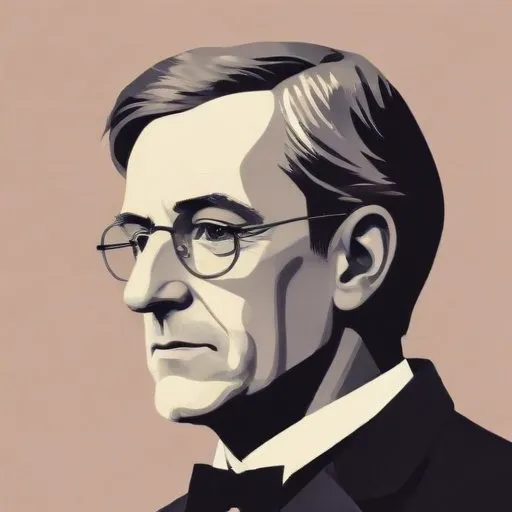
A British composer and teacher, known for his contributions to the world of classical music, particularly in the realm of choral and orchestral works.
Alan Ridout, a British composer and teacher, left an indelible mark on the world of music with his unique blend of tonal and microtonal compositions. Known for his diverse range of works, including church music, orchestral pieces, chamber music, and concertinos, Ridout's legacy continues to inspire and delight musicians and audiences alike.
Born on December 9, 1934, in West Wickham, Kent, England, Alan Ridout's musical journey began at the Guildhall School of Music, where he studied briefly before moving on to the Royal College of Music in London. Under the guidance of renowned composers Herbert Howells and Gordon Jacob, Ridout honed his skills, later supplementing his education with studies under Michael Tippett, Peter Fricker, and Henk Badings.
Ridout's teaching career spanned several prestigious institutions, including the Royal College of Music, the University of Birmingham, the University of Cambridge, the University of London, and The King's School, Canterbury. His passion for music education was matched only by his dedication to composition, as he went on to create a vast array of works that showcased his versatility and creativity.
Ridout's compositional style was characterized by its predominantly tonal nature, although he did experiment with microtonality in his earlier years. His music often catered to amateur and children's ensembles, making it accessible to a wide range of audiences. The collaboration with Allan Wicks, organist and master of the choristers at Canterbury Cathedral, resulting in numerous church music pieces, remains a cherished aspect of his legacy.
Alan Ridout's impact on modern music is undeniable. His contributions to the world of chamber music, orchestral pieces, and church music have inspired generations of composers and musicians. His legacy continues to be felt through his collaborations with the Leicestershire Schools Symphony Orchestra (LSSO) and his influence on young musicians and music educators.
Ridout lived in Canterbury for much of his life, but after a serious heart attack in 1990, he moved to France, settling in the town of Vitré, Brittany, and later in Caen. He passed away on March 19, 1996, leaving behind a rich musical heritage that continues to enrich our lives today.
In conclusion, Alan Ridout's life was a testament to his passion for music, teaching, and composition. His remarkable contributions to the world of music have left an indelible mark, inspiring future generations to follow in his footsteps.
Born in 1905
A renowned composer and conductor, known for blending modernist and romantic elements in his works, creating a unique and expressive sound. His operas and symphonies are highly acclaimed for their lyricism and dramatic intensity.
Born in 1913
A renowned musician who masterfully blended classical and opera styles, creating iconic works like "Peter Grimes" and "The Young Person's Guide to the Orchestra".
Born in 1902
A renowned composer of orchestral and choral works, particularly famous for his iconic score for Laurence Olivier's 1944 film "Henry V" and his ceremonial music for British coronations.
Born in 1872
A renowned composer and educator, he's celebrated for his symphonies and folk-song inspired works that evoke a sense of English heritage and nostalgia. His music is a testament to his love for his homeland's cultural roots.
Born in 1874
A renowned composer and educator, best known for his orchestral suite "The Planets", which evokes a sense of cosmic wonder and exploration. His music is a staple of classical repertoire, still widely performed today.
Born in 1892
A renowned British organist, composer, and educator, he was a prominent figure in the development of 20th-century Anglican church music, particularly in his contributions to the genre of hymnody.
Born in 1914
A prolific actor and director, known for his rugged, versatile performances in film and television, often playing cowboys and authority figures.
Born in 1883
A celebrated composer and poet, he crafted symphonies, concertos, and tone poems that showcased his mastery of orchestration and poetic flair. His works evoke a sense of mysticism and Celtic mythology.
