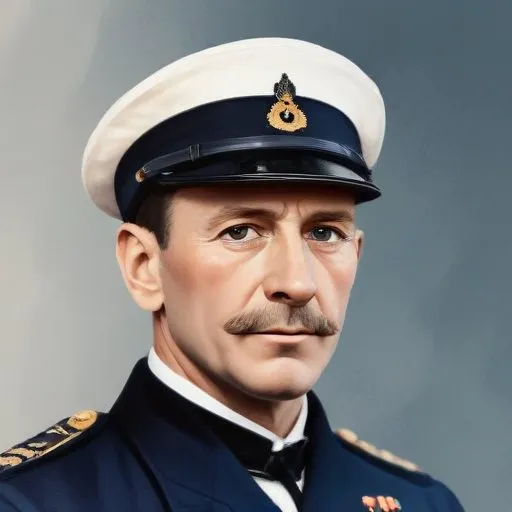
Albert Ross Tilley: The Pioneering Plastic Surgeon Behind the Guinea Pig Club
A Legacy of Healing and Hope
Albert Ross Tilley, a Canadian plastic surgeon, is renowned for pioneering the treatment of burned airmen during the Second World War. His groundbreaking work at the
Queen Victoria Hospital, alongside Archibald McIndoe, led to the formation of the legendary Guinea Pig Club, a testament to the surgeon's dedication to restoring the lives of severely burned pilots.
Early Years and Education
Born on November 24, 1904, in Bowmanville, Ontario, Tilley graduated from the University of Toronto in 1929. He went on to establish a private practice in Toronto, focusing on plastic surgery, a field that was still in its infancy in Canada at the time.
Wartime Contributions
In 1941, Tilley joined the Royal Canadian Air Force (RCAF) Medical Branch as a Principal Medical Officer. His service during World War II took him to the Queen Victoria Hospital, where he worked alongside McIndoe to develop innovative treatments for severely burned airmen. The hospital became a hub for burned pilots, who affectionately referred to themselves as the Guinea Pig Club.
Awards and Honors
Tilley's selfless contributions during the war earned him several prestigious awards. In 1944, he was appointed an Officer of the Order of the British Empire. After the war, he was discharged from the RCAF with the rank of Group Captain in 1945. Subsequently, he was inducted into the Order of Canada in 1981 and became an honorary member of the Canadian Medical Association in 1982.
Post-War Achievements
After the war, Tilley returned to his practice in Toronto and Kingston, Ontario, where he served as an assistant professor of surgery. Notably, he was the first to teach plastic surgery at Queen's University. Additionally, he was a charter member and past president of the Canadian Society of Plastic Surgeons.
A Lasting Legacy
In 2006, Tilley was posthumously inducted into Canada's Aviation Hall of Fame for his exceptional skills, radical new medical techniques, and his tireless devotion to treating airmen's burns and reconstructing deformities. Today, the Ross Tilley Burn Centre, established in 1984 at the Wellesley Hospital (now located at the Sunnybrook Health Sciences Centre), stands as a testament to his enduring legacy.
In conclusion, Albert Ross Tilley's groundbreaking work in plastic surgery has left an indelible mark on the medical community, inspiring generations of surgeons and earning him a place in the annals of Canadian history.
FAQ
What was Albert Ross Tilleys military career like?
Albert Ross Tilley was a Canadian captain and surgeon who served in World War I and was awarded the Military Cross for his bravery.
What awards did Albert Ross Tilley receive?
Albert Ross Tilley received several awards for his military service, including the Military Cross and the Order of the British Empire.
What was Albert Ross Tilleys role in the development of Canadian medicine?
Albert Ross Tilley played a significant role in the development of Canadian medicine, particularly in the areas of surgery and orthopedics.
What was Albert Ross Tilleys early life like?
Albert Ross Tilley was born in 1894 in Ontario, Canada, and grew up in a family of modest means. He developed an early interest in medicine and went on to study at the University of Toronto.
How did Albert Ross Tilley die?
Albert Ross Tilley died in 1963 at the age of 69, following a long and distinguished career as a surgeon and military officer.