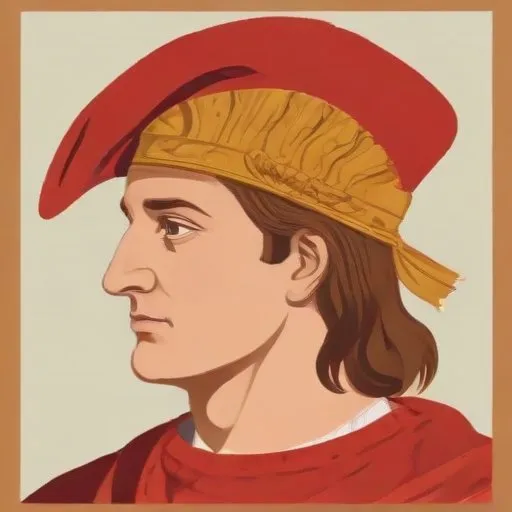
Albrecht III Achilles, Elector of Brandenburg

Albrecht III Achilles, Elector of Brandenburg

Albrecht III Achilles, Elector of Brandenburg was born on November 9th, 1414

Full Name: Albrecht III Achilles
Nationality: German
Profession: Elector of Brandenburg
Reign: 1470-1486
Father: Fredrick I, Elector of Brandenburg
Mother: Elisabeth of Bavaria
Spouse: Margarete of Baden
Children: John Cicero, Sigismund

A powerful German prince who ruled Brandenburg from 1471 to 1486, known for his military campaigns and territorial expansions, earning him the nickname "Achilles" for his bravery.

Written by: Grace Lee Grace Lee

The Unifier of Brandenburg: Albrecht III Achilles

Albrecht III Achilles, Elector of Brandenburg, is renowned for his instrumental role in consolidating the fragmented territories of Brandenburg, thereby strengthening the electorship and paving the way for its future prosperity. Through his shrewd diplomacy and strategic alliances, he successfully unified the region, earning him the reputation as one of the most significant figures in Brandenburg's history.

Early Life and Ascent to Power

Born on September 9, 1414, Albrecht III Achilles was the youngest son of Frederick I, Elector of Brandenburg, and his wife, Elisabeth of Bavaria. Initially, he was not destined for greatness, as his older brothers stood ahead of him in the line of succession. However, fate had other plans, and following the death of his brothers, Albrecht found himself next in line for the electorship.

In 1470, he succeeded his father as the Elector of Brandenburg, marking the beginning of his remarkable reign. Albrecht's early years were spent consolidating his power and solidifying his position within the region. He achieved this through a combination of strategic alliances, clever diplomacy, and a dash of good fortune.

Unification of Brandenburg

Albrecht's most significant achievement was the unification of the fragmented territories of Brandenburg. Through a series of shrewd political maneuvers, he managed to bring the various regions under his control, creating a unified and powerful electorship. This accomplishment not only strengthened his position but also paved the way for Brandenburg's future growth and prosperity.

Personal Milestones and Key Life Events

Throughout his life, Albrecht was no stranger to personal struggles and setbacks. Despite these challenges, he persevered, using them as opportunities for growth and self-improvement.

Legacy and Historical Context

Albrecht III Achilles' legacy extends far beyond his impressive territorial gains. He played a significant role in shaping the course of Brandenburg's history, laying the foundations for its future growth and prosperity.

His unification of the region created a powerful entity that would go on to play a crucial role in the complexities of European politics. Moreover, his diplomatic skills and strategic alliances served as a model for future generations of politicians and leaders.

Comparative Analysis with Contemporaries

When compared to his contemporaries, Albrecht III Achilles stands out for his visionary approach to politics and his ability to adapt to changing circumstances.

Unlike other leaders of his time, Albrecht focused on building alliances and strengthening his position through diplomacy, rather than relying solely on military conquest. This approach allowed him to achieve his goals while minimizing conflict and bloodshed.

Trivia and Fun Facts

Did you know that Albrecht III Achilles was also a patron of the arts? He commissioned several renowned artists and architects to work on various projects, including the construction of the Berliner Dom, a grand cathedral in the heart of Berlin.

Albrecht's love for pageantry and spectacle led him to host lavish tournaments and festivals, which became a hallmark of his reign. These events not only showcased his wealth and power but also provided a platform for him to connect with his subjects and foster a sense of community.

By the time of his death on March 11, 1486, Albrecht III Achilles had left an indelible mark on the history of Brandenburg. His legacy would continue to inspire and influence future generations, cementing his place as one of the most important figures in the region's rich history.
Timeline
1414
Birth of Albrecht
Albrecht III Achilles, Elector of Brandenburg, was born on November 9, 1414, in Tangermünde, Brandenburg, Germany.
1437
Elector of Brandenburg
Albrecht became the Elector of Brandenburg and started to consolidate his power in the region.
1454
Marriage to Margarete of Baden
Albrecht married Margarete of Baden, and they had several children together.
1470
Death of Albrecht
Albrecht III Achilles died on March 11, 1470, at the age of 55, in Frankfurt an der Oder, Germany.
1464
Codification of Brandenburg Law
Albrecht commissioned the codification of Brandenburg law, which became a milestone in the regions legal development.
Albrecht III Achilles, Elector of Brandenburg

Albrecht III Achilles, Elector of Brandenburg Quiz

What was Albrecht III Achilles, Elector of Brandenburg, known for?

Score: 0/5
FAQ
Who was Albrecht III Achilles, Elector of Brandenburg?
Albrecht III Achilles was a German nobleman who ruled as Elector of Brandenburg from 1470 to 1486. He was a member of the House of Hohenzollern and played a significant role in German politics during the Late Middle Ages.
What were Albrecht III Achilles achievements?
Albrecht III Achilles was a skilled military leader and diplomat who expanded Brandenburgs territories and strengthened its economy. He also reformed the electoral system and promoted the arts.
What was Albrecht III Achilles relationship with the Church?
Albrecht III Achilles had a complex relationship with the Catholic Church, often siding with the Emperor in disputes. He also founded several religious institutions in Brandenburg.
Was Albrecht III Achilles married?
Yes, Albrecht III Achilles was married to Margaret of Baden, and they had several children together. He also had several illegitimate children with mistresses.
How did Albrecht III Achilles die?
Albrecht III Achilles died on March 11, 1486, and was succeeded by his son, John Cicero.

Related People:

Frederick I of Prussia

Born in 1657

King of Prussia from 1701 to 1713, crowned himself king, and established Berlin as his capital, transforming Prussia into a major power. He's known for his cultural and economic reforms.

John Sigismund, Elector of Brandenburg

Born in 1572

A 17th-century German ruler who united Protestant states and played a key role in the Thirty Years' War, known for his diplomatic and military skills. He strengthened the Hohenzollern dynasty, paving the way for Prussia's rise to power.

Joachim II Hector, Elector of Brandenburg

Born in 1505

A 16th-century German ruler who oversaw the Protestant Reformation in Brandenburg and played a key role in the Schmalkaldic War. He's also known for his cultural achievements, including the establishment of the University of Vienna.

Frederick I of Prussia

Born in 1657

King of Prussia from 1701 to 1713, crowned himself king, and established Berlin as his capital, transforming Prussia into a major power. He's known for his cultural and economic reforms.

Frederick William I of Prussia

Born in 1688

The King of Prussia who ruled with an iron fist, centralizing power and modernizing the state, while also being a patron of the arts and architecture. He's known for his military reforms and frugal lifestyle.

Ernest of Bavaria

Born in 1554