


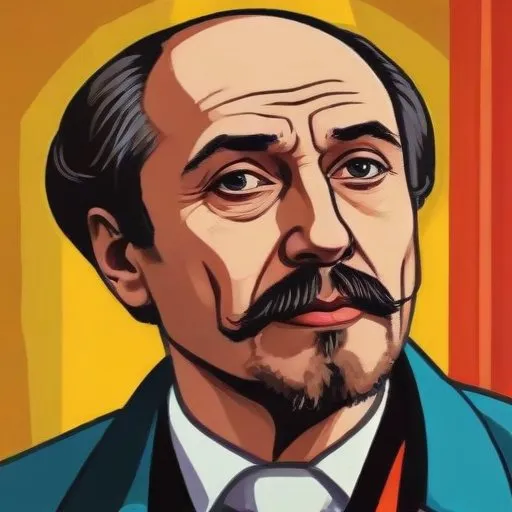
A prominent Soviet poet and writer, known for his vivid depictions of rural life and his editorship of the influential literary magazine Novy Mir. He played a significant role in shaping Soviet literature and culture.
Aleksandr Tvardovsky, a celebrated Soviet poet and writer, is best known for his epoch-making epic poem, Vasili Tyorkin, which captured the essence of the Soviet spirit during World War II. As the chief editor of the prominent literary magazine, Novy Mir, Tvardovsky played a pivotal role in shaping the country's literary landscape, famously publishing Aleksandr Solzhenitsyn's groundbreaking novella, One Day in the Life of Ivan Denisovich.
Tvardovsky was born into a Russian family in Zagorye, Smolensk Governorate, on June 21, 1910. His father, a blacksmith and a well-read man, instilled in him a love for literature, regaling the family with readings from the works of Alexander Pushkin, Nikolai Gogol, and Mikhail Lermontov. This exposure sparked Tvardovsky's own creative expression, and he began composing poetry at a tender age. His first published poem, A New Hut, appeared in the Smolensk Village newspaper, marking the beginning of his literary journey.
Tvardovsky's talent and dedication earned him recognition, and he soon became a prominent figure in Soviet literature. His poem, Vasili Tyorkin, published in 1941, cemented his reputation as a master poet, its themes of patriotism, sacrifice, and hope resonating deeply with the Soviet people during World War II. This work not only solidified Tvardovsky's position as a leading poet but also contributed to the country's cultural identity.
In 1950, Tvardovsky assumed the role of chief editor at Novy Mir, a position he held until his death in 1971, with a brief hiatus from 1954 to 1958. During his tenure, the magazine flourished, publishing works by prominent writers, including Solzhenitsyn's One Day in the Life of Ivan Denisovich, which exposed the harsh realities of Soviet labor camps. Tvardovsky's editorial vision and courage in publishing this novella helped pave the way for a new era of literary freedom in the Soviet Union.
Aleksandr Tvardovsky's contributions to Soviet literature and culture are undeniable. His poetry and editorial work left an indelible mark on the country's cultural identity, inspiring generations of writers and intellectuals. Tvardovsky's legacy extends beyond the realm of literature, symbolizing the power of art to shape and reflect the human experience.
Aleksandr Tvardovsky's life and work serve as a testament to the transformative power of literature, leaving behind a rich cultural heritage that continues to inspire and captivate audiences today.
Born in 1893
A Russian avant-garde artist who revolutionized poetry and theater with his bold, futuristic style and passionate performances. He's most famous for his vibrant, propaganda-inspired posters and poems that captured the spirit of the Russian Revolution.
93 Years Old
A prominent Russian poet and playwright, known for his bold and provocative works that often critiqued Soviet politics and society, earning him both acclaim and controversy.
Born in 1890
A Russian literary giant, renowned for his poetic and novelistic masterpieces, including the epic "Doctor Zhivago", which captured the essence of Soviet Russia. His works are a testament to the power of literature in shaping cultural identity.
Born in 1889
A renowned poet and literary icon of the Soviet era, celebrated for her poignant and evocative works that captured the essence of love, loss, and resilience amidst war and oppression.
Born in 1892
A Russian poet and author who poured her heart into lyrical verses, exploring themes of love, nature, and the human condition. Her works are a testament to her intense emotional depth and poetic genius.
Born in 1899
A Russian-born novelist and critic, renowned for crafting intricate, lyrical prose and exploring themes of identity, morality, and the human condition through works like "Lolita" and "Pale Fire".
Born in 1891
A Russian literary mastermind, famous for blending fantasy and realism in works like "The Master and Margarita", which explores the intersection of politics, philosophy, and the human condition.
