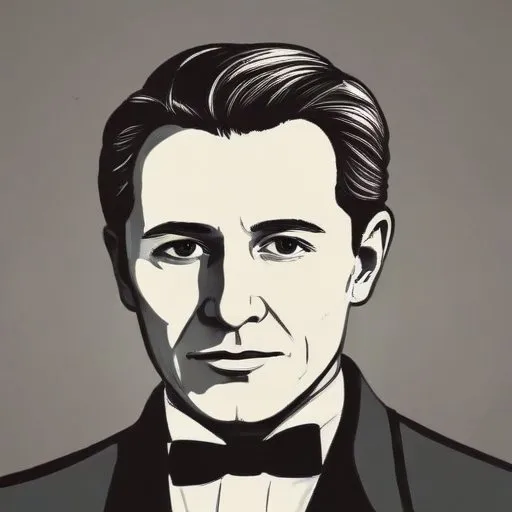
Alexander Dreyschock: The Czech Virtuoso Pianist and Composer
A Life of Musical Genius
Alexander Dreyschock was a renowned Czech pianist and composer, celebrated for his extraordinary technical prowess and innovative compositions. Born on October 15, 1818, in Žáky, Bohemia, Dreyschock's exceptional musical talent was evident from an early age, and by the time he was eight, his skills were already being recognized.
Rise to Fame
At the age of 15, Dreyschock traveled to Prague to study piano and composition under the guidance of Václav Tomášek. By 20, he had embarked on his first professional tour, performing in various towns in Germany. Subsequent tours took him to Russia, Paris, London, the Netherlands, Austria, Hungary, Denmark, and Sweden, earning him widespread acclaim for his dazzling performances.
Technical Wizardry
Dreyschock's left hand was particularly famous for its extraordinary agility and dexterity. He was known for performing complex technical feats, including thirds, sixths, and octaves, as well as playing Chopin's Revolutionary Étude in octaves with his left hand alone. This remarkable skill was a hallmark of his performances, leaving audiences in awe.
Academic and Royal Appointments
In 1862, Dreyschock became a staff member at the St. Petersburg Conservatory, a prestigious institution founded by
Anton Rubinstein. He was appointed Court Pianist to the Tsar and Director of the Imperial School of Music for the Operatic Stage. During his six-year tenure, he taught students, including Arkady Abaza, and contributed to the development of Russian music.
Compositions and Legacy
Dreyschock's compositions, though lesser-known than his performances, include chamber music, songs, and piano pieces. His works showcase his mastery of technique and musicality. Despite his untimely death from tuberculosis in 1869, at the age of 50, Dreyschock's legacy as a virtuoso pianist and composer continues to inspire musicians and music lovers.
Personal Life and Milestones
- October 15, 1818: Born in Žáky, Bohemia
- Aged 8: Musical talents recognized
- Aged 15: Traveled to Prague for studies
- Aged 20: Embarked on first professional tour
- 1843: Paris debut, including piece for left hand alone
- 1862: Appointed to St. Petersburg Conservatory and royal court
- 1868: Moved to Italy, but health suffered
- April 1, 1869: Died in Venice, aged 50
Trivia and Fun Facts
- Dreyschock's left-handed performance of Chopin's Revolutionary Étude was a staple of his recitals.
- He was buried at the Olšany Cemetery in Prague, according to his family's wishes.
- His students included Arkady Abaza, a Russian pianist and composer.
Dreyschock's remarkable life and achievements continue to fascinate music enthusiasts, and his legacy as a virtuoso pianist and composer remains an inspiration to generations of musicians.
FAQ
What was Alexander Dreyschocks contribution to Czech music?
Alexander Dreyschock was a Czech pianist and composer who made significant contributions to Czech music, known for his virtuosic performances and innovative compositions that blended classical and romantic styles.
How did Alexander Dreyschocks piano playing influence his compositions?
Alexander Dreyschocks piano playing, which was characterized by its technical brilliance and expressiveness, influenced his compositions, which often featured complex piano parts and innovative uses of harmony and form.
What were Alexander Dreyschocks key compositions?
Alexander Dreyschocks key compositions include his piano concertos, symphonies, and chamber music works, which showcase his mastery of classical and romantic styles and his ability to blend them in innovative ways.
Did Alexander Dreyschock perform with other notable musicians?
Yes, Alexander Dreyschock performed with other notable musicians of his time, including Franz Liszt and Antonín Dvořák, and was known for his collaborations and friendships with many leading musical figures of the era.
What is Alexander Dreyschocks legacy in modern Czech music?
Alexander Dreyschocks legacy in modern Czech music is one of innovation, virtuosity, and cultural pride, with his compositions and performances continuing to inspire new generations of Czech musicians and music lovers.