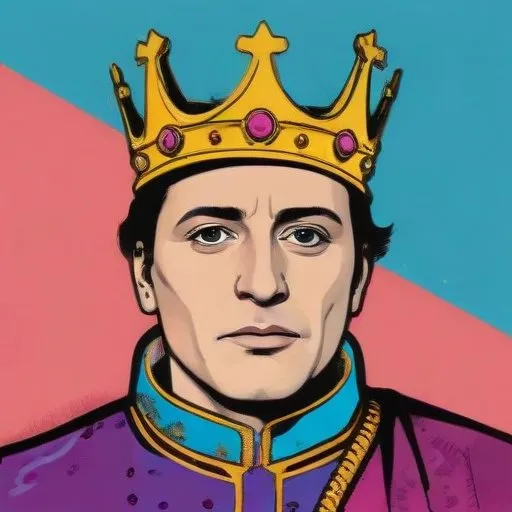
Alfonso IX: The Visionary King of León and Galicia
A Leader Ahead of His Time
Alfonso IX is renowned for his progressive reforms, modernizing his dominion, and founding the esteemed University of Salamanca in 1218. He also convened the first parliament in Western Europe, the Cortes of León, in 1188, which represented the fullest expression of citizenry in the region.
Early Life and Royal Lineage
Born on August 15, 1171, in Zamora, Alfonso IX was the only son of King
Ferdinand II of León and Urraca of Portugal. His father, the younger son of
Alfonso VII of León and Castile, had divided his kingdoms among his sons, setting the stage for future conflicts within the family.
Path to the Throne
Alfonso IX faced significant challenges in claiming his rightful place on the throne. In July 1188, he was forced to recognize his cousin,
Alfonso VIII of Castile, as his overlord in exchange for acknowledgment of his authority in León.
Reign and Reforms
During his reign, Alfonso IX implemented several key reforms. He convened the Cortes de León, an assembly of nobles, clergy, and city representatives, to address the economic crisis and respond to demands for greater fiscal responsibility and oversight. This pioneering move marked a significant shift towards democratization and accountability in governance.
Military Campaigns and Conquests
Alfonso IX played a crucial role in the Reconquista, conquering several territories in Extremadura, including Mérida and Badajoz in 1230. These victories paved the way for the eventual conquest of Seville during the reign of his son, Ferdinand III.
Conflicts with the Pope
Alfonso IX's tumultuous relationships with the papacy led to his excommunication by Pope Celestine III, primarily due to his contentious marriages.
Legacy and Impact
Alfonso IX's groundbreaking reforms, military conquests, and establishment of the University of Salamanca have left an indelible mark on Spanish history. His commitment to democratization, education, and the well-being of his people has inspired future generations of leaders and scholars.
Personal Milestones and Key Life Events
- 1188: Convened the first parliament in Western Europe, the Cortes of León
- 1218: Founded the University of Salamanca
- 1230: Conquered Mérida and Badajoz, paving the way for the conquest of Seville
Historical Context and Legacy
Alfonso IX's reign marked a significant turning point in Spanish history, as he navigated the complexities of feudalism, the Reconquista, and papal politics. His legacy continues to inspire and shape the course of education, governance, and cultural development in Spain and beyond.
FAQ
What was Alfonso IXs role in Spanish history?
Alfonso IX was King of León and Galicia, and played a significant role in shaping the politics and culture of medieval Spain.
Who was Alfonso IX married to?
Alfonso IX was married to Berengaria of Castile, with whom he had several children, including a son who would later become King Ferdinand III of Castile.
What is Alfonso IX known for?
Alfonso IX is known for his military campaigns, including the Reconquista, and for his cultural patronage, including the establishment of the University of Salamanca.
Is Alfonso IX still remembered in Spain today?
Yes, Alfonso IX is still remembered and celebrated in Spain today, with many historical sites and landmarks dedicated to his life and legacy.
What is Alfonso IXs legacy?
Alfonso IXs legacy is one of military conquest, cultural achievements, and a lasting impact on the development of medieval Spain.