


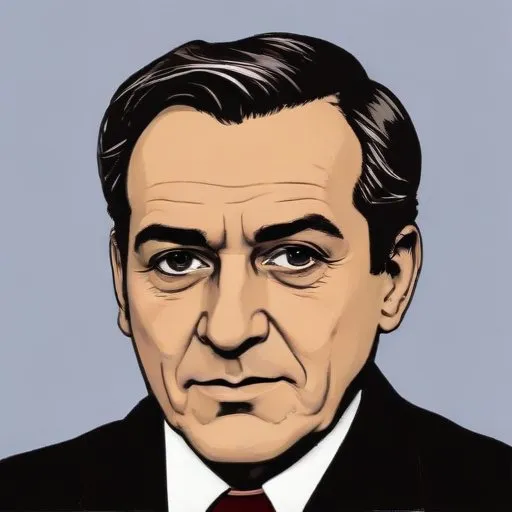
French journalist, author, and playwright known for his witty and satirical writings, particularly in the Parisian press, and for his plays that often poked fun at societal norms.
Alfred Capus, a renowned French journalist and playwright, is celebrated for his witty humor and thought-provoking works that shaped the literary landscape of France during the late 19th and early 20th centuries. Born on November 25, 1858, in Aix-en-Provence, Capus made a name for himself in the literary world through his captivating plays, novels, and journalistic pieces that explored the intricacies of human nature and society.
Capus was born into a family of modest means, with his father being a lawyer from Marseille. He pursued higher education in Toulon, where he developed a passion for writing. Initially, he worked as a draughtsman before embarking on a career in journalism.
Capus began his writing career as a journalist, penning humorous pieces for prominent publications such as Gaulois, L'écho de Paris, and L'Illustration. He also wrote under the pseudonym "Graindorge" for Le Figaro, showcasing his versatility as a writer. In 1914, he became the editor of Le Figaro, further solidifying his position in the journalistic world.
Capus's literary repertoire spans across various genres, including novels, plays, and short stories. His works often explored the struggles of young men at the beginning of their careers, as seen in novels such as Qui perd gagne (1890), Faux Départ (1891), and Anne des aventures (1895). His plays, including Innocent (1896) and Les Maris de Leontine (1900), showcased his mastery of humor and satire.
Capus's contributions to literature were recognized when he became a member of the Académie française on February 12, 1914. This prestigious honor solidified his position as a prominent figure in French literature.
Capus's works have had a lasting impact on French literature and theater. His plays, in particular, have been adapted into various forms of media, including film and music. The 1928 German film Leontine's Husbands, starring Claire Rommer, was adapted from his 1900 comedy Les Maris de Leontine, demonstrating the enduring appeal of his works.
These are just a few examples of Capus's extensive body of work, which continues to captivate audiences to this day.
Alfred Capus's literary legacy is a testament to his innovative spirit and commitment to exploring the complexities of human nature. Through his works, he has left an indelible mark on French literature, inspiring generations of writers and artists to come.
Born in 1840
A pioneering figure in naturalist literature, known for his influential novels that exposed social ills and championed reform, such as "Germinal" and "Nana".
Born in 1868
A French journalist and author who wrote the iconic novel "The Phantom of the Opera", a classic tale of love and horror that has been adapted into numerous stage productions and films.
Born in 1850
A French naval officer who wrote novels and travelogues that romanticized exotic cultures, influencing later authors like Joseph Conrad and Ernest Hemingway.
Born in 1864
A French literary mastermind behind novels, plays, and journals that explored the human condition, satirizing societal norms and politics. His witty, poignant works continue to captivate readers and inspire writers.
Born in 1848
A French writer and social critic who exposed the darker aspects of society through his novels and plays, particularly in his influential work "The Torture Garden".
Born in 1840
A 19th-century literary mastermind, celebrated for his vivid depictions of French life and poignant short stories, particularly "The Last Lesson" and "Tartarin of Tarascon".
Born in 1841
A French journalist, physician, and politician who served as Prime Minister of France during World War I, leading the country to victory and playing a key role in shaping the Treaty of Versailles. He's also known for his strong leadership and witty humor.
Born in 1872
A French lawyer and politician who served as Prime Minister of France, known for his leadership during the Popular Front government and his role in shaping the country's social and economic policies.
