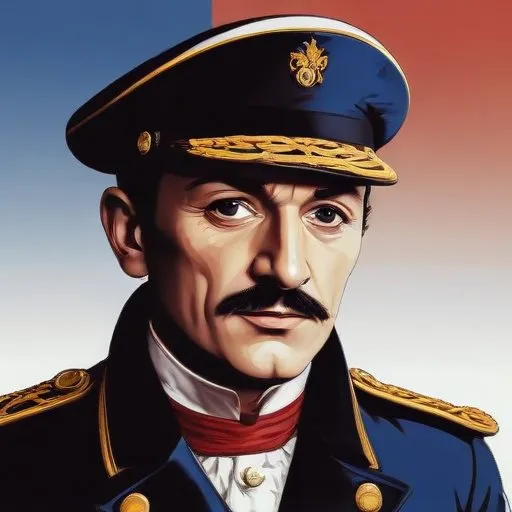
Pierre Loti: The Enigmatic Naval Officer and Novelist
A Life of Adventure and Literary Expression
Pierre Loti, born Louis Marie Julien Viaud, is renowned for his exotic novels and short stories that transport readers to far-flung lands and captivating cultures. As a French naval officer and writer, Loti's works are infused with the essence of his seafaring experiences and encounters with diverse peoples.
Early Life and Education
Born on January 14, 1850, in Rochefort, Charente-Maritime, Loti was raised in a Protestant family. His educational journey began in his birthplace and continued at the naval school in Brest, where he studied at Le Borda. This solid foundation prepared him for a distinguished naval career, which he pursued for many years.
Rise to Literary Prominence
In 1876, Loti's fellow naval officers encouraged him to transform his diary entries into a novel, recounting his extraordinary experiences in Istanbul. The resulting book,
Aziyad (1879), was published anonymously and marked the beginning of Loti's literary career. This novel, part romance and part autobiography, captivated readers and critics alike, much like the works of his admirer, Marcel Proust.
Voyages and Inspirations
Loti's naval training took him to the South Seas, where he spent two months in Papeete, Tahiti, in 1872. During this time, he immersed himself in the local culture, earning the nickname "Loti" from the natives due to his mispronunciation of the word "roti," a red flower. This experience inspired his novel
Le Mariage de Loti (1880), which introduced him to a wider audience. The book's success led to the creation of the 1883 opera
Lakmé by
Léo Delibes.
Literary Contributions and Legacy
Loti's writings often explore themes of love, loneliness, and the human experience. His works include
Le Roman d'un spahi (1881), a tale of a soldier's melancholy adventures in Senegal, and
Fleurs d'ennui (1882), a collection of four shorter pieces. These literary endeavors have left an indelible mark on French literature, influencing generations of writers and readers.
Personal Life and Controversies
Loti's persona was often shrouded in mystery, and he was known for making provocative statements, such as claiming he never read books. However, testimony from friends and his preserved library contradict this assertion. His enigmatic nature and literary talent have contributed to his enduring allure.
Timeline of Notable Events
- 1850: Born on January 14th in Rochefort, Charente-Maritime
- 1872: Spent two months in Papeete, Tahiti, as part of his naval training
- 1876: Fellow naval officers persuaded him to write Aziyad
- 1879: Aziyad published anonymously
- 1880: Published Le Mariage de Loti, his first novel to gain widespread recognition
- 1881: Published Le Roman d'un spahi
- 1882: Released Fleurs d'ennui, a collection of four shorter pieces
- 1892: Introduced to the Académie française on April 7th
- 1906: Attained the rank of captain
- 1910: Placed on the reserve list in January
- 1923: Passed away on June 10th
Legacy and Impact
Pierre Loti's life and works continue to fascinate readers and inspire writers. His literary contributions have left a lasting impression on French literature, and his exotic novels remain a testament to his boundless imagination and seafaring spirit. As a naval officer and novelist, Loti's legacy extends beyond his writing, embracing the essence of adventure, cultural exploration, and the human experience.
FAQ
What inspired Pierre Lotis writing style?
Pierre Lotis writing style was inspired by his experiences as a French naval officer and his travels to exotic locations, including Turkey, Japan, and Tahiti. His writing often blended elements of adventure, romance, and cultural exploration.
What are some of Pierre Lotis most famous works?
Pierre Loti is best known for his novels, including Aziyadé (1879), Madame Chrysanthème (1887), and Theophile Gautier (1892). These works showcase his unique blend of literary styles and cultural themes.
What was Pierre Lotis relationship like with Madame Chrysanthème?
Pierre Lotis novel Madame Chrysanthème is a semi-autobiographical account of his own experiences with a Japanese geisha, Madame Chrysanthème. The novel explores themes of cultural exoticism, love, and identity.
How did Pierre Lotis writing reflect his naval career?
Pierre Lotis writing often reflected his naval career, drawing on his experiences at sea and his encounters with diverse cultures. His writing frequently incorporated nautical themes, maritime adventures, and the human experience of traveling to distant lands.
What is Pierre Lotis legacy in French literature?
Pierre Lotis legacy in French literature is that of a literary innovator, blending elements of fiction, non-fiction, and travel writing. His work continues to influence French literary traditions, particularly in the realms of exoticism and cultural exploration.