


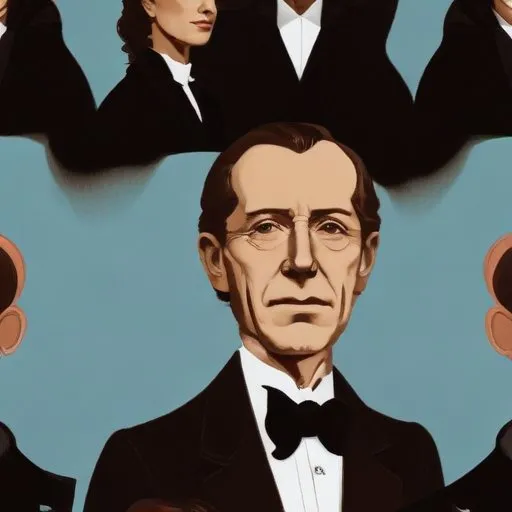
A wealthy member of the prominent Vanderbilt family, he was a businessman and member of the New York Central Railroad board, known for his tragic death in the Lusitania sinking.
Alfred Gwynne Vanderbilt, a scion of the wealthy Vanderbilt family, is best known for his entrepreneurial spirit, passion for sports, and philanthropic endeavors. His life may have been marked by tragedy, but his legacy continues to inspire and captivate people to this day.
Born on October 20, 1877, in New York City, Alfred was the third son of Cornelius Vanderbilt II and Alice Claypoole Gwynne. He was part of a large family, with six siblings, including Alice, William, Cornelius, Gertrude, Reginald, and Gladys. His family's wealth and influence set the stage for a life of privilege and opportunity.
Vanderbilt attended the prestigious St. Paul's School in Concord, New Hampshire, before enrolling at Yale University, where he graduated in 1899. During his time at Yale, he was an active member of the Skull and Bones society. After graduation, he embarked on a two-year world tour with friends, but his journey was cut short when he received news of his father's sudden death in 1899.
Alfred's father's will named him the head of the family, much to the surprise of his siblings. His eldest brother, William, had passed away in 1892, and his second brother, Neily, was disinherited due to his marriage to a woman deemed unsuitable by their parents. This unexpected turn of events catapulted Alfred into a position of great responsibility and wealth.
Vanderbilt's passion for sports was evident in his many pursuits. He was an avid yachtsman, motorist, and horse breeder. He founded the Vanderbilt Cup, a prestigious automobile racing trophy, and was a pioneer in the development of the sport in the United States. His love for horses led him to breed and raise champion thoroughbreds at his Sagamore Farm in Maryland.
Alfred's philanthropic endeavors were just as notable as his business ventures. He was a dedicated supporter of the New York Society for the Prevention of Cruelty to Children and served on the board of the New York Central Railroad. His commitment to his community was evident in his numerous charitable contributions and involvement in various social causes.
Alfred's life was cut short in 1915, when he tragically died in the sinking of the RMS Lusitania. His passing was met with widespread shock and grief, but his legacy continues to inspire generations. His philanthropic efforts, entrepreneurial spirit, and passion for sports have left an indelible mark on American history.
Alfred Vanderbilt's influence can be seen in the world of sports, business, and philanthropy. His pioneering efforts in automobile racing and horse breeding paved the way for future generations. His commitment to his community and charitable causes continues to inspire others to make a positive impact.
In conclusion, Alfred Gwynne Vanderbilt's life was a testament to his entrepreneurial spirit, passion for sports, and commitment to philanthropy. Though his life was cut short, his legacy continues to inspire and captivate people to this day.
Born in 1794
Built railroad empires, revolutionizing transportation and commerce, and donated extensively to education and the arts.
Born in 1821
A wealthy railroad magnate and generous donor, he expanded his family's railroad empire and supported various educational and cultural institutions.
Born in 1875
A pioneering American sculptor and art collector who founded the iconic Whitney Museum of American Art, showcasing and celebrating American art and artists.
Born in 1924
An American actress, fashion designer, and socialite, known for her iconic jeans brand and tumultuous childhood, which was the subject of a highly publicized custody battle. She was a fixture of American high society and a popular culture icon.
59 Years Old
Award-winning journalist and author, known for his in-depth reporting and anchoring of CNN's news programs, particularly during crisis events and natural disasters.
97 Years Old
The 37th First Lady of the United States was a fashion icon and cultural phenomenon, known for her elegance, style, and influential role in shaping American culture.
Born in 1917
The 35th President of the United States was a charismatic leader who navigated the country through the Cuban Missile Crisis and advocated for civil rights, leaving a lasting legacy in American politics.
Born in 1882
Led the United States through the Great Depression and World War II, implementing a series of reforms known as the New Deal and helping to establish the country as a global superpower.
